What Is Natural Process Coffee From Guatemala’s Plan del Guayabo Estate
If you’ve ever sipped a cup of coffee that tastes like ripe fruit and dry red wine, you’ve likely experienced a natural-process coffee. But how does leaving coffee cherries out in the sun create such intense aromas and flavors? This article breaks down the traditional sun-drying method—and how it’s applied at one standout estate in Guatemala.
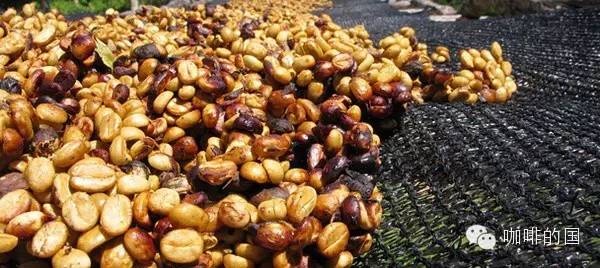
The natural (or sun-dried) coffee process involves drying intact coffee cherries in the sun, without removing the pulp beforehand. This method typically takes 5–6 days, results in a final moisture content of around 13%, and often produces complex, fruity, and wine-like cup profiles. It’s how Plan del Guayabo Estate achieves its signature winey, tropical notes.
What Is the Natural (Sun-Dried) Coffee Process?
The natural process, also called the dry process, is one of the oldest methods of preparing coffee. Instead of removing the coffee bean (seed) from the cherry immediately after harvest, the whole fruit is dried intact. This slow drying period allows the bean to absorb sugars and acids from the fruit, often leading to sweeter, fruitier, and more full-bodied flavors in the cup.
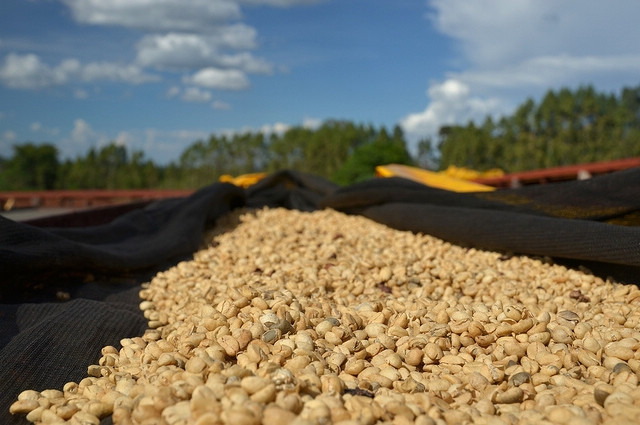
Because the beans are spread out and dried under the sun—either on concrete patios, raised beds, or sometimes tarps—the process relies heavily on consistent sunlight, airflow, and manual labor. The beans are turned regularly to ensure even drying. While this method can yield distinctive cup profiles, it also requires careful attention to avoid mold, over-fermentation, or uneven drying.
How the Natural Process Works, Step by Step
The natural process follows a series of deliberate, labor-intensive steps that have remained largely unchanged for generations:
- Selecting the Cherries: Freshly picked coffee cherries are placed in water tanks. Ripe cherries sink; unripe or overripe ones float and are removed.
- Drying the Cherries: The ripe cherries are spread out on large surfaces—often concrete patios or raised beds—and left to dry under the sun for about 5 to 6 days. During this time, the cherries turn deep brown and reach a moisture level of approximately 13%.
- Removing the Pulp and Husk: Once dried, the brittle outer fruit layers are removed mechanically. Larger farms may have their own hulling equipment, while smaller producers send their dried cherries to a central mill.
- Sorting and Grading: High-quality farms sort beans by hand or machine to remove defective or damaged beans. Some farms employ multiple rounds of hand sorting using conveyor belts staffed by trained workers. Defect-free beans are then graded by size and quality, determining whether they enter specialty or commercial markets.
- Polishing (Optional): After hulling, a thin silver skin may remain on the bean. Some processors polish this off. The sorted and hulled beans are then bagged, usually in 60 kg sacks made of jute or other materials.
Plan del Guayabo Estate: Natural Process SL28 in Guatemala’s Nuevo Oriente
The Plan del Guayabo Estate, located in Guatemala’s Nuevo Oriente region at 1,675 meters above sea level, is managed by Mr. Benjamin Donado. This high-altitude farm produces coffee using the natural (sun-dried) process, and focuses on the SL28 variety—a renowned Ethiopian-origin cultivar prized for its cup complexity and ability to thrive in high altitudes.
The estate’s signature lot, processed using what they call a “winey natural” method, results in a coffee with striking fruit and wine-like characteristics. Key tasting notes include pineapple, dried apricot, and red wine. These attributes come directly from the extended contact between the bean and the fruit mucilage during the drying phase, a hallmark of the natural process.
This lot exemplifies how traditional techniques, when applied with precision and care, can bring out remarkable sensory profiles—even from a single variety grown at high elevation.
Frequently Asked Questions
What is the natural (sun-dried) coffee processing method?
The natural process dries coffee cherries in the sun with the fruit still intact around the bean. This slow, 5–6 day drying period (down to 13% moisture) allows the bean to absorb flavors from the fruit, often resulting in sweeter, fruitier, and more wine-like cups. It’s labor-intensive and requires careful management to avoid defects.
Where is Plan del Guayabo Estate located?
Plan del Guayabo Estate is situated in Guatemala’s Nuevo Oriente region, at an altitude of 1,675 meters. It is managed by Mr. Benjamin Donado, who produces high-quality lots using traditional methods.
What coffee variety is used at Plan del Guayabo Estate for the winey natural lot?
The estate uses the SL28 coffee variety for its winey natural process lot. SL28 is known for its exceptional cup quality, especially in high-altitude environments, and is originally from Kenya but widely respected in specialty coffee worldwide.
What flavors are typical in natural-process Guatemalan coffee like Plan del Guayabo’s?
This particular natural-process coffee from Plan del Guayabo features tasting notes of pineapple, dried apricot (or ‘’), and red wine. These fruit-forward and winey notes are common in well-executed natural-process coffees due to extended fruit contact during drying.
How long does natural coffee processing take?
The natural drying process typically takes around 5 to 6 days under consistent sunlight, though this can vary with weather conditions. The goal is to reduce the moisture content of the cherries to about 13%.
Why does natural-process coffee often taste fruitier or wine-like?
Because the coffee bean remains in contact with the sugary fruit pulp and mucilage throughout the drying process, it absorbs more sugars and acids. This extended fermentation and drying leads to enhanced fruit, berry, and sometimes wine-like flavors in the final cup.
Recommended FrontStreet Beans for Natural Process Fans
FrontStreet Coffee’s Ethiopia Yirgacheffe Kochere offers bright citrus and floral notes with a juicy body—perfect for fans of fruit-forward profiles. For something more winey and complex, try their Ethiopia Guji Shakiso, which shows deep blueberry and fermented plum tones. Both beans highlight how natural and washed processes can shape unique flavor journeys. Freshly roasted within 5 days · Orders placed before 17:00 ship the same day · Next-day delivery across most of Guangdong Province.
FrontStreet Coffee is a long-established specialty coffee roaster in Guangzhou China, selling freshly roasted beans from its own farm in Yunnan as well as dozens of carefully selected single-origin beans from around the world for both pour-over and espresso. The products deliver consistently excellent quality and great value, with shipping within 24 hours. Guangzhou's FrontStreet Coffee shop is recommended by many coffee lovers, and the beans are now available online at the Tmall 。
Important Notice :
前街咖啡 FrontStreet Coffee has moved to new addredd:
FrontStreet Coffee Address: 315,Donghua East Road,GuangZhou
Tel:020 38364473