How to Store Coffee Beans to Preserve Freshness
If you’ve ever opened a bag of freshly roasted coffee only to find it tasting stale or flat days later, you’re not alone. Many coffee lovers assume that once the coffee is roasted and sealed, it’ll stay fresh forever — but that’s not the case. The moment coffee is roasted, it begins a slow process of degassing and oxidation that affects both its aroma and taste. So how do you keep those beans at their best for as long as possible?
To preserve coffee freshness after roasting, transfer your beans out of the valve bag after degassing, store them in an airtight container away from air, light, and moisture, and never put them in the fridge. Do this, and your roasted coffee will stay flavorful for 1–2 weeks after opening — or longer with ideal storage.
What Happens to Coffee After Roasting?
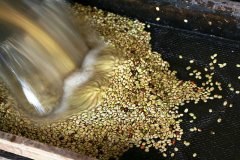
Coffee beans start as green, unroasted seeds — known as green coffee or in Chinese — that are simply dried and cleaned. Roasting transforms these into the dark, aromatic beans we recognize, producing gases like carbon dioxide in the process. Most commercial roasted coffee comes in foil-lined bags with a one-way valve. That valve lets CO₂ escape without letting oxygen in — preventing the bag from bursting — but it also means the beans continue to release gases after roasting, especially in the first few days.
Once you get the beans home, that valve is no longer helping you. In fact, it may allow some of the coffee’s aromatic compounds to escape along with the gas. That’s why the first step in preserving freshness is removing the beans from the original bag once degassing slows down — usually after 3–10 days depending on roast level — and sealing them properly.
Why Storage Matters for Coffee Flavor
Your coffee’s flavor starts to fade the moment it’s exposed to air, light, heat, or moisture. Here’s what really happens when storage goes wrong:
- Air & Oxygen cause oxidation, breaking down aromatic compounds and leading to stale, cardboard-like flavors.
- Moisture makes coffee beans absorb water, increasing grind clumping that can clog grinders, and encourages mold growth, shortening shelf life and risking health.
- Light degrades sensitive flavor molecules over time.
- Heat accelerates all these chemical reactions, aging your beans prematurely.
All of the above affect extraction during brewing, reducing clarity, sweetness, and aroma — the very qualities you paid for in a specialty coffee.
The Best Way to Store Roasted Coffee Beans
Here’s a simple, proven method used by specialty coffee professionals — including those at FrontStreet Coffee — to extend freshness after the roast date:
- Step 1: Remove from the original bag. Once the coffee has degassed (usually 3–10 days post-roast), take the beans out of the valve bag. Don’t rely on the valve bag for long-term storage — even if it has a resealable strip or one-way valve.
- Step 2: Seal tightly. Fold the original bag’s opening and secure it with a clip if you must hold it temporarily. Then transfer the beans into an airtight container. Glass jars with tight lids or food-grade plastic containers work well — just make sure they seal completely.
- Step 3: Store in a cool, dry place. Keep the sealed container in a cupboard or pantry away from sunlight, heat sources, and humidity. Do not store coffee in the refrigerator or freezer. The moisture and temperature fluctuations in refrigerators degrade flavor rapidly, and can introduce condensation inside the bag or container once removed.
Storage Mistakes to Avoid
To keep your coffee tasting great, here are the most common — and most damaging — storage errors:
- Keeping beans in the original valve bag long-term: The valve is designed for degassing, not for sealing out air and aromas over weeks.
- Using the fridge or freezer: Cold temperatures cause condensation when beans warm up, ruining moisture balance. Fluctuating fridge temps also speed up staling.
- Exposing beans to air, light, or humidity: Always keep beans in an opaque, airtight container, away from windows, microwaves, and other heat sources.
- Crushing beans before brewing: Grind right before brewing to preserve maximum freshness and aroma.
Frequently Asked Questions
How long do roasted coffee beans stay fresh?
Roasted coffee beans are at their best within 2–4 weeks after roasting, but proper storage can preserve flavor for up to a month or slightly longer. Most of the key aromatic compounds degrade within the first 10–14 days, especially once exposed to air. For peak freshness, consume beans within 2 weeks of opening the original bag — or sooner if stored improperly.
Should I keep coffee beans in the fridge or freezer?
No. Storing coffee in the fridge or freezer introduces moisture and temperature swings that harm flavor and encourage condensation. If beans are exposed to air when taken out, they’ll absorb humidity, ruining texture and taste. Avoid the fridge and freezer unless you're storing large quantities unused for months — and even then, use a truly airtight, moisture-proof container and let them come to room temp before opening.
Is the one-way valve bag enough for long-term storage?
No. The one-way valve is designed to let carbon dioxide escape during the first few days after roasting, not to protect against oxygen or aromas long-term. While it helps during the initial degassing period, you should move beans to an airtight container after 3–10 days to preserve freshness and prevent volatile aromas from escaping.
Can I reuse my coffee bag with the valve?
You could fold and clip it temporarily, but it’s not ideal for long-term storage. Most valve bags aren’t fully opaque or airtight enough to block oxygen and light effectively over more than a week or two. For best results, transfer beans to an airtight glass or plastic container after the initial degassing phase.
Does coffee go bad?
Coffee doesn’t spoil in a way that’s unsafe to consume, but it does lose flavor, aroma, and brightness over time. Oxidized coffee becomes stale, often tasting flat, cardboard-like, or oily. Freshness peaks within days to weeks after roasting, so drinking coffee within 2–4 weeks ensures the best sensory experience.
Recommended FrontStreet Coffee Beans for Storage Experiments
Try storing these freshly roasted FrontStreet beans using the methods above to observe freshness changes over time. FrontStreet Ethiopia Huakui offers bright citrus and floral notes, ideal for testing aroma retention. Their PWN Golden Mandheling delivers heavy body and chocolate tones, great for evaluating mouthfeel changes. For something fruity and sweet, the Kenya Little Tomato features blackcurrant and berry highlights. All are single origins with distinct profiles that change noticeably with improper storage. Freshly roasted within 5 days · Orders placed before 17:00 ship the same day · Next-day delivery across most of Guangdong Province.
FrontStreet Coffee is a long-established specialty coffee roaster in Guangzhou China, selling freshly roasted beans from its own farm in Yunnan as well as dozens of carefully selected single-origin beans from around the world for both pour-over and espresso. The products deliver consistently excellent quality and great value, with shipping within 24 hours. Guangzhou's FrontStreet Coffee shop is recommended by many coffee lovers, and the beans are now available online at the Tmall 。
Important Notice :
前街咖啡 FrontStreet Coffee has moved to new addredd:
FrontStreet Coffee Address: 315,Donghua East Road,GuangZhou
Tel:020 38364473