How to Choose Better Coffee Beans by Appearance
Ever wonder why your pour-over tastes sour or your espresso lacks body—despite using 'good' beans? The issue might start long before brewing, right at the moment you pick those beans off the shelf. Appearance alone can’t guarantee perfect flavor, but it’s often the first clue that something’s wrong. Here’s how to inspect coffee beans visually, by touch, by sound, and even by how they brew to find the best ones.
The simplest way to judge coffee bean quality is by looking for a glossy, even color with no black, white, or broken beans; sniffing for a strong, sweet aroma; feeling for a crisp, clean break when bitten; and listening for a light, even grind. Avoid beans that are dull, misshapen, fermented, or produce a grinding noise like crushing gravel.
What Defective Coffee Beans Look Like
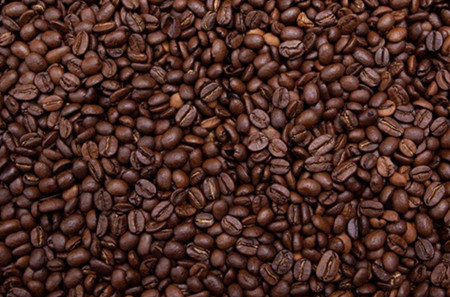
High-quality coffee beans should have a uniform, shiny appearance and consistent color across the batch. The following are common visual defects to watch for:
- Black beans: These are fermented or overripe beans that have turned black. They’re easy to spot and should always be avoided.
- Shell beans: These are beans that are hollow or consist mostly of outer skin. They contribute little flavor and often lead to inconsistencies in extraction.
- Color spots or unevenness: Beans with blotchy or inconsistent coloring may be underdeveloped or damaged.
Physical & Sensory Checks Before Roasting
Before roasting, green coffee beans (always raw and green in color) should be fresh, whole, and vibrant. Key traits include:
- Freshness: New-crop beans (harvested within the past two months) offer more vibrant, distinct flavors than past-crop or old-crop beans.
- Size and shape: High-grade beans are typically larger and free from visible deformities or discoloration.
- Surface quality: Avoid beans with insect damage, cracks, or signs of mold or moisture.
Green beans should feel firm and smooth, not brittle or soft. Old or poorly stored beans lose moisture and freshness, resulting in duller cup profiles.
How to Inspect Roasted Coffee Beans
Once coffee is roasted, visual and sensory evaluation becomes even more important:
- Color & shine: Well-roasted beans have an even color with a slight sheen. Avoid beans that are jet black, pale, or splotchy.
- Sound when grinding: Quality roasted beans make a light, crackling (‘salad-like’) noise when ground. Bad beans produce a dull, crunchy sound, often indicating over- or under-roasting.
- Fragrance: Freshly roasted beans should have a rich, inviting aroma. A flat or musty smell signals age or poor storage.
- Bean integrity: All beans should be whole. Avoid broken, chipped, or unusually small beans—they often lead to channeling or uneven extraction.
The roast level affects color, but regardless of darkness, the beans should look consistent and feel solid. A quick sniff and listen while grinding can tell you a lot before brewing even begins.
Grinding & Brewing Clues to Bean Quality
Even after roasting, how beans behave during grind and brew offers clues:
- Grinding: Good beans produce a uniform particle size and a satisfying crackle. Bad beans may clog grinders or produce uneven grounds.
- Bloom: During pour-over or French press, high-quality coffee will produce a fluffy, even bloom when hot water hits the grounds.
- Extraction clarity: After brewing, the liquid should be clear—not murky. A bright, see-through cup (where you can see the spoon) often means cleaner, better-extracted flavors. Murky coffee suggests over-extraction, defects, or channeling.
- Post-brew stability: A great cup stays flavorful and clear even 30 minutes after brewing. If it turns muddy or dull quickly, the beans likely weren’t up to par.
Flavor & Aroma Indicators of Quality
Finally, taste and smell remain the ultimate tests:
- Acidity: Good coffee has a bright, citrus-like acidity—not sharp or sour.
- Bitterness: The bitterness should be mild and balanced, never harsh or burnt-tasting like charcoal or smoke.
- Aroma: Aroma should be complex, sweet, and inviting. Flat or musty notes suggest old or defective beans.
If your brewed coffee lacks clarity, tastes muted, or has unpleasant edges, the beans may have defects—or were roasted or stored poorly.
Frequently Asked Questions
What are black beans in coffee, and should I avoid them?
Black beans are coffee beans that have turned completely black due to over-fermentation or rot. They’re easy to spot and should always be avoided, as they introduce unpleasant sour or rotten flavors and spoil the taste of the entire batch.
How can I tell if roasted coffee beans are fresh just by looking?
Fresh roasted beans usually have a slight sheen, even color, and no visible oil (unless dark roasted). They should look uniform, without black, white, or cracked beans. A dull or faded appearance often signals age or improper storage.
Why do good coffee beans make a cracking sound when ground?
High-quality beans produce a light, even crackling or ‘salad-like’ noise when ground. This indicates proper roast level and bean integrity. A dull, crunchy, or gravelly noise usually means the beans are stale, over-roasted, or defective.
What does a good coffee bloom look like?
A good bloom is a quick, even expansion of the coffee grounds when hot water first hits them, producing a fluffy layer of CO₂ bubbles. A weak or uneven bloom often signals stale or poorly roasted beans.
Is it okay to have a few broken beans in my bag?
A few broken beans won’t ruin a batch, but a high proportion of chipped, cracked, or tiny fragments can lead to uneven extraction and more bitterness. Always aim for beans that are mostly whole and undamaged.
How can I judge coffee bean quality before brewing?
Check for uniform color and shine, a pleasant and sweet fragrance, a crisp snap when biting a green bean (if available), and a light crackling sound during grind. Avoid beans that look dull, smell musty, or make grinding noises like crunching gravel.
Recommended FrontStreet Coffee Beans for Visual Grading
Try FrontStreet Coffee’s Ethiopia Huakui for bright citrus acidity and floral sweetness—look for even pale yellows and greens in the green beans, and a crisp snap. Their Yirgacheffe shows vivid fermentation aromas and a clean cup; inspect for uniformity and a lively green hue. For washed complexity, their Kenya Little Tomato offers winey tartness and berry notes—check for deep green color and no blemishes. All are great for practicing visual and sensory bean evaluation. Freshly roasted within 5 days · Orders placed before 17:00 ship the same day · Next-day delivery across most of Guangdong Province.
FrontStreet Coffee is a long-established specialty coffee roaster in Guangzhou China, selling freshly roasted beans from its own farm in Yunnan as well as dozens of carefully selected single-origin beans from around the world for both pour-over and espresso. The products deliver consistently excellent quality and great value, with shipping within 24 hours. Guangzhou's FrontStreet Coffee shop is recommended by many coffee lovers, and the beans are now available online at the Tmall 。
Important Notice :
前街咖啡 FrontStreet Coffee has moved to new addredd:
FrontStreet Coffee Address: 315,Donghua East Road,GuangZhou
Tel:020 38364473