Panama Geisha Coffee Flavor Profile: What Makes It Unique
If you’ve ever blind-tasted a coffee and guessed Ethiopian—only to learn it’s actually Panama-grown Geisha processed naturally—you’re not alone. Many experienced cuppers have been surprised by just how far the flavor spectrum of Geisha can stretch beyond its typical floral and citrus notes. This article unpacks what makes one particular lot, the 90+ Estate Geisha from Panama, stand out with an unusually rich and fruity profile.
In short: The 90+ Estate Geisha (also labeled as 'PerciN2') is a naturally processed Panama Geisha grown between 1250–1650 meters altitude, delivering intense notes of cherry, carob, vanilla, tropical fruits, and blended juice-like flavors. Its sensory profile shifted expectations, with tasters initially mistaking it for Ethiopian origin due to its atypical fruit depth.
What Is the 90+ Estate Geisha (PerciN2)?
The coffee in question is a single-origin Geisha variety grown at the 90+ Estate in Panama, specifically within what was then referred to as the 90+ Panama Geisha. It comes from the 2013–2014 harvest season, cultivated at elevations ranging from 1250 to 1650 meters above sea level. The lot is identified internally as 'PerciN2' and carries a roast level designation of 39. It was processed using the natural (dry) method, which plays a major role in shaping its bold fruit-driven cup profile.
Why Does This Geisha Taste Different?
Most coffee drinkers associate Geisha with delicate notes of chamomile, orange blossom, and jasmine—classic profiles tied to its Ethiopian heritage. But the 90+ Estate Geisha challenges that stereotype. In blind tastings, tasters were convinced they were drinking an Ethiopian natural, not a Panamanian Geisha. That’s because its dominant notes diverge sharply from the expected Geisha script.
Rather than leading with floral and citrus tones, this coffee presents a fruit-forward experience that includes mango, pineapple, banana, plum, red grapes, peaches, and even hints of red coral. Beyond fruit, there’s also carob, vanilla, honey, and what tasters described as ‘mixed juice’ complexity. These layers make it taste more like a tropical fruit medley than traditional Geisha.
How Did 'Perci' Get Its Name?
The name 'Perci' is derived from the word 'perspective.' It reflects the moment during sensory evaluation when tasters experienced an unexpected and memorable impression—one that shifted their understanding of what this coffee could be. The name serves as a reminder of that revelatory cup. Far from being just another Geisha, this lot prompted a reevaluation, offering a fresh perspective on the variety’s potential range.
Flavor Profile Breakdown
The tasting notes for this particular Geisha lot are unusually vivid for the variety. Primary impressions include:
- Strong cherry
- Carob
- Vanilla
- Tropical fruits
- Mixed juice-like character
But the cup doesn’t stop there. Secondary and tertiary notes span a broad spectrum: mango, pineapple, banana, plum, red grapes, peaches, honey, and even a suggested note akin to red coral. This complexity goes well beyond the typical Geisha profile of chamomile, orange, and jasmine.
Packaging and Availability
This coffee was originally available as green (raw) beans in two package sizes:
- 30KG per jute sack
- 5KG per cardboard box
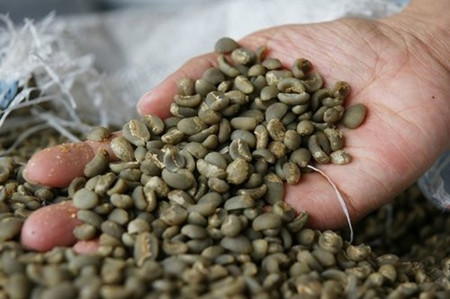
There was also a 125g option in tin canisters for roasted beans. While the exact roast level and availability may vary today, these specifications reflect how the lot was originally prepared and sold.
Frequently Asked Questions
What is special about Panama Geisha coffee?
Panama Geisha, especially from high-altitude farms like the 90+ Estate, is known for its exceptional cup complexity, often exhibiting floral, fruity, and tea-like qualities. This particular lot, however, stands out with intense tropical and stone fruit flavors such as mango, pineapple, and mixed juice notes, deviating from more common floral profiles.
What processing method was used for the 90+ Estate Geisha?
This coffee was processed using the natural (dry) method, where coffee cherries are dried with the fruit still intact. This enhances sweetness and amplifies fruit and berry-like flavors, contributing to its bold tropical and juice-like profile.
What altitude was this Geisha grown at?
The coffee was cultivated at elevations between 1250 and 1650 meters above sea level. High growing altitudes typically slow cherry maturation, leading to denser beans with more complex sugar development and acidity.
Why did tasters confuse this Geisha with Ethiopian coffee?
In blind cuppings, many tasters initially identified this coffee as an Ethiopian natural due to its intense fruitiness and lack of the classic Geisha floral notes. Its dominant mango, pineapple, and juice-like qualities mimicked the profile of high-quality Ethiopian naturals more than traditional Panamanian Geisha.
What does the name 'Perci' mean?
'Perci' is derived from 'perspective,' marking the shift in perception among tasters when they encountered the coffee’s unexpected flavor profile. It was meant to signify a new way of seeing this variety’s potential beyond conventional Geisha traits.
What are the packaging options for this coffee?
The green beans were packed in 30KG jute sacks and 5KG cardboard boxes. Roasted beans were available in 125g tin cans. These formats catered to both commercial roasters and specialty retailers.
Recommended FrontStreet Beans with Tropical Fruit Notes
For drinkers intrigued by the intense tropical and stone fruit profile of the 90+ Estate Geisha, FrontStreet Coffee offers several single-origin options with vibrant fruit character. The FrontStreet Strawberry Candy Espresso highlights ripe strawberry, blueberry, and orange notes with a rose-like aroma and smooth finish—ideal for exploring sweet fruit complexity. For a more floral-fruity balance, try the FrontStreet Ethiopia Huakui , which delivers strawberry, mango, and apricot alongside creamy mouthfeel. Both beans showcase the kind of fruit depth that can expand your appreciation for Geisha-like profiles. Freshly roasted within 5 days · Orders placed before 17:00 ship the same day · Next-day delivery across most of Guangdong Province.
FrontStreet Coffee is a long-established specialty coffee roaster in Guangzhou China, selling freshly roasted beans from its own farm in Yunnan as well as dozens of carefully selected single-origin beans from around the world for both pour-over and espresso. The products deliver consistently excellent quality and great value, with shipping within 24 hours. Guangzhou's FrontStreet Coffee shop is recommended by many coffee lovers, and the beans are now available online at the Tmall 。
Important Notice :
前街咖啡 FrontStreet Coffee has moved to new addredd:
FrontStreet Coffee Address: 315,Donghua East Road,GuangZhou
Tel:020 38364473