Colombia Geisha Natural from Hope Estate in Cauca Valley
If you’ve ever wondered what makes Colombian high-altitude Geisha so distinct—especially when processed as a natural—this is the story you’re looking for. Sourced from the steep volcanic hillsides of southwestern Colombia, this rare lot offers a taste of how terroir, varietal, and processing converge to redefine balanced fruitiness and clarity.
The standout: a Colombia Geisha Natural from Hope Estate in the Cauca Valley, grown at 1800 metres above sea level, processed entirely via washed and then sun-dried method, and showcasing intense berry, honey, vanilla, and juicy sweetness.
Where Is Cauca Valley and Why Does Coffee Grow There?
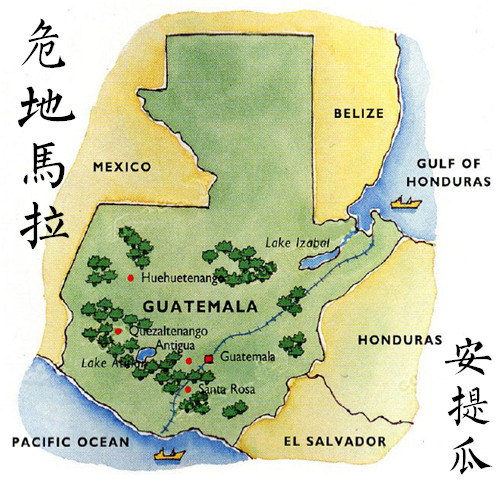
Cauca Department—its name derived from the Cauca River—is located in southwestern Colombia. Its capital is Popayán, and the province has a population of around 1.368 million. The region spans latitude 00°58′54″N to 03°19′04″N and longitude 75°47′36″W to 77°57′07″W, bordering the Pacific Ocean to the west, and neighbouring departments including Nariño, Huila, Tolima, Caquetá, and Putumayo. It is part of Colombia’s official coffee-growing zone, home to over 38 municipalities.
Cauca sits amid the Andean mountain range, featuring parallel east-west mountain chains that include active and extinct volcanoes such as Sotará and Petacas, along with snow-capped Huila. Approximately 80% of the land is mountainous, with altitudes ranging from a regional average of 1758m up to peaks near 2100m. This elevation, combined with volcanic soils rich in minerals from ash deposits, provides ideal conditions for slow cherry maturation and complex cup profiles.
What Makes Cauca’s Climate Unique for Coffee?
The region enjoys a stable climate due to its encircling highlands, which shield it from both Pacific moisture and southern trade winds. While near the equator, Cauca sees consistent sunshine and relatively minimal cloud cover. More importantly, it features a marked diurnal temperature variation: average daily temperatures reach around 18°C, but dip to roughly 11°C at night. This cool nighttime climate, along with high altitude, slows cherry development and enhances sugar accumulation and acid retention.
Precipitation follows a monomodal pattern typical of Colombia’s southwest: a distinct dry season occurs from August to September, followed by concentrated flowering during the rainy season, and a subsequent unified harvest period. The surrounding topography, including the Patía Basin to the south and the Popayán Plateau between eastern and western mountain ranges, contributes further microclimatic stability—key for producing uniform, high-scoring lots.
Hope Estate Geisha: What’s Different About This Lot?
The Colombia La Esperanza Geisha Natural comes from over 700 smallholder farms located near Popayán in the Cauca Valley. The specific lot we’re focusing on is cultivated at 1800m by Hope Estate, a farm known for meticulous processing and varietal selection. While Cauca still grows traditional varieties like Caturra, Typica, and Bourbon, this lot is planted with the prized Geisha variety—a Ethiopian-origin cultivar celebrated worldwide for its floral complexity and high sweetness ceiling.
This Geisha is processed using a full washed method followed by sun drying, a combination that balances cleanliness with enhanced fruit expression. The result is a cup brimming with notes of berries, honey, vanilla, and intense juice-like sweetness. Acidity is bright yet rounded, supported by a silky mouthfeel and a clean, fragrant finish. These qualities make it highly sought after among specialty buyers and roasters aiming to highlight both origin character and processing innovation.
Why Are Varietal, Processing, and Altitude So Crucial in Cauca?
In Cauca, as in much of Colombia’s premier coffee regions, variety selection remains surprisingly traditional despite global trends toward high-yielding disease-resistant hybrids. Here, Caturra, Typica, and Bourbon dominate, with newer specialty-focused plantings like Geisha gaining ground thanks to increasing global demand for unique flavour profiles.
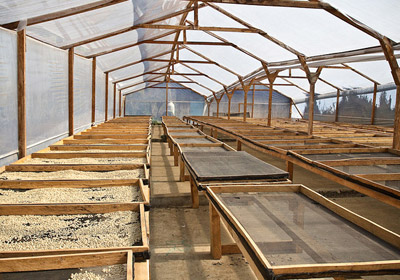
Processing also plays a pivotal role. While many farms have moved toward honey or fully natural methods to boost fruitiness, this Hope Estate Geisha employs a washed foundation followed by sun drying. This hybrid technique helps preserve the Geisha’s inherent clarity while allowing the extended drying period to amplify its intrinsic sweetness and aromatic compounds. Coupled with the region’s high altitude, wide diurnal shift, and volcanic soil fertility, these factors align to produce a cup that is both classically Colombian and distinctly Geisha.
Frequently Asked Questions
What is special about Geisha coffee from Colombia’s Cauca Valley?
Geisha from Cauca Valley, especially at 1800m altitude, benefits from cool nights, high elevation, and volcanic soils. This leads to a slow ripening process that develops intense sweetness, complex acidity, and pronounced fruity and floral notes—characteristics famously associated with the Geisha variety, which originates from Ethiopia but thrives exceptionally well in Colombia’s terroir.
How is this Colombia Geisha different from other natural process Geishas?
While many Geisha naturals emphasize heavy fruit fermentation, this Cauca Valley Geisha is first washed and then sun dried. That approach provides cleaner fruit notes alongside enhanced sweetness and aroma, striking a balance between clarity and intensity that is less common in fully natural lots.
What altitude is the Hope Estate Geisha grown at?
The Hope Estate Geisha lot is cultivated at 1800 metres above sea level. This high elevation contributes to a slower cherry maturation process, allowing for greater sugar development and more complex flavour formation in the cup.
Which processing method was used for this Geisha lot?
This Colombia La Esperanza Geisha was processed using a full washed method followed by sun drying. This combines the cleanliness and brightness of washed processing with the enhanced sweetness and aromatic depth often achieved through extended sun exposure.
What flavours can you expect from this Cauca Geisha Natural?
Expect a cup with vibrant notes of berries, honey, vanilla, and pronounced juice-like sweetness. It also presents a smooth mouthfeel, bright acidity, and a clean, fragrant finish typical of high-quality Geisha coffees.
Why does Cauca have such good conditions for growing specialty coffee?
Cauca’s geography—surrounded by mountains, near the equator but protected from extreme weather—delivers stable temperatures, significant diurnal shifts (11–18°C), and consistent sunlight. Combined with volcanic, mineral-rich soils and defined wet and dry seasons, these factors create ideal conditions for high-quality, consistent specialty coffee production.
Recommended FrontStreet Beans for Geisha Lovers
FrontStreet Coffee’s Ethiopian Huakui Natural offers vibrant berry and floral notes with a sweet, wine-like profile, echoing the complexity of high-altitude Geisha. For something closer to home, their Sidra from Colombia delivers juicy stone fruit and citrus brightness with a syrupy body—great for fans of fruit-forward Colombians. Both beans highlight the delicate balance of sweetness and acidity that Geisha enthusiasts appreciate. Freshly roasted within 5 days · Orders placed before 17:00 ship the same day · Next-day delivery across most of Guangdong Province.
FrontStreet Coffee is a long-established specialty coffee roaster in Guangzhou China, selling freshly roasted beans from its own farm in Yunnan as well as dozens of carefully selected single-origin beans from around the world for both pour-over and espresso. The products deliver consistently excellent quality and great value, with shipping within 24 hours. Guangzhou's FrontStreet Coffee shop is recommended by many coffee lovers, and the beans are now available online at the Tmall 。
Important Notice :
前街咖啡 FrontStreet Coffee has moved to new addredd:
FrontStreet Coffee Address: 315,Donghua East Road,GuangZhou
Tel:020 38364473