What Makes Panamanian Geisha Coffee So Special?
If you’ve ever wondered why everyone’s suddenly obsessed with Panamanian Geisha coffee—especially the ones fetching sky-high auction prices—it’s not just hype. This rare Ethiopian-origin variety, when grown under the right conditions in Panama, produces some of the most distinctively aromatic and layered cups in specialty coffee. But what really sets it apart? And how can you experience the true classic Geisha profile at home?
In short: Panamanian Geisha coffee shines thanks to high-altitude growing conditions (1,400–2,000 meters), meticulous farming, and careful processing. The best examples—like those from Boquete’s volcanic soils—offer intense floral aromas, citrus, stone fruits, and a tea-like finish. To get the full experience, look for estate-specific lots like those from the famed Hacienda Esmeralda .
Why Is Geisha Coffee Different?
Coffee flavor doesn’t come from beans alone—it’s shaped by terroir: altitude, soil, climate, and farming. Geisha (or Gesha), originally from Ethiopia’s Gori Gesha forest, is famously fussy. Unlike more forgiving varieties, it demands cool temperatures, rich volcanic soils, and partial shade. In Panama, especially in the western highlands around Boquete and Volcán, Geisha thrives at elevations between 1,400 and 2,000 meters.
These high altitudes slow cherry maturation, allowing more complex sugars and acids to develop. The result? A cup with intense aromatics, vibrant acidity, and layered fruit and floral notes. Farms like Hacienda Esmeralda have elevated Geisha to global fame, but other regions—including Colombia, Guatemala, and even Yunnan in China—are now experimenting with the variety.

Where Does the Classic Panamanian Geisha Come From?
The heart of Panamanian Geisha production lies in the volcanic highlands of the Chiriquí province: primarily the Boquete Valley and the area around Volcán, near the Barú volcano. These microregions sit fully within the coffee belt, benefitting from fertile volcanic soils, dense forests, and a mix of Caribbean warmth and Pacific breezes. The Barú National Park alone hosts seven microclimates, year-round mist, and heavy rainfall—all ideal for slow cherry development.
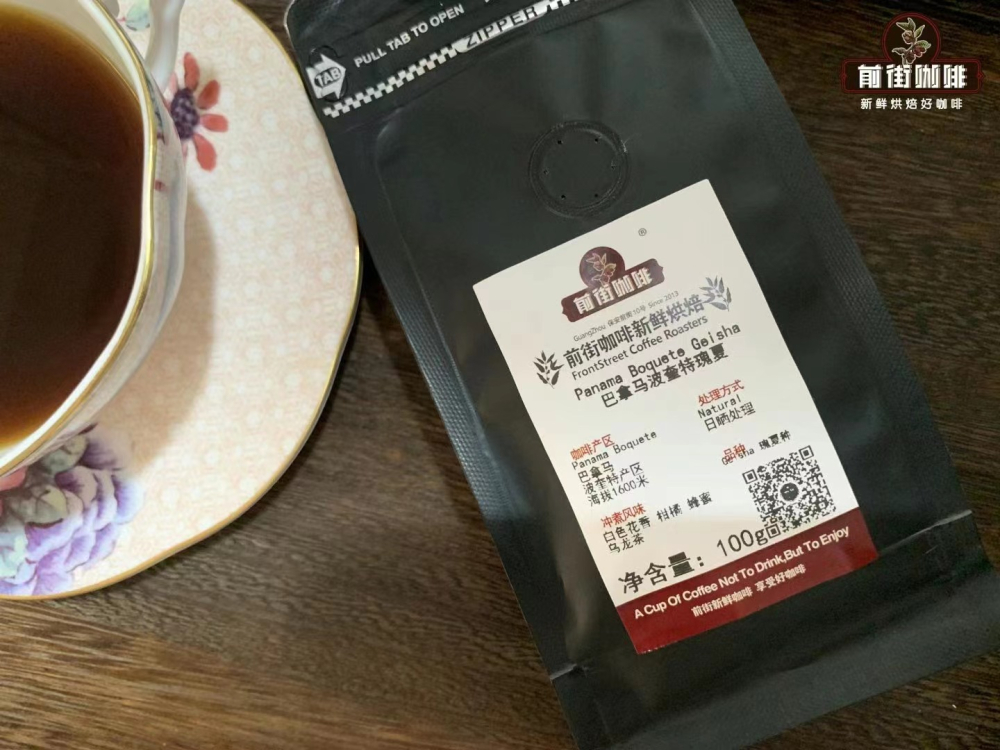
FrontStreet Coffee’s own Panamanian Boquete Geisha highlights these regional traits: bright acidity, layered fruit, and a clean finish. The region’s unique environment is why many consider Panamanian Geisha the definitive expression of the variety.
What Makes (Hacienda Esmeralda) Geisha So Famous?
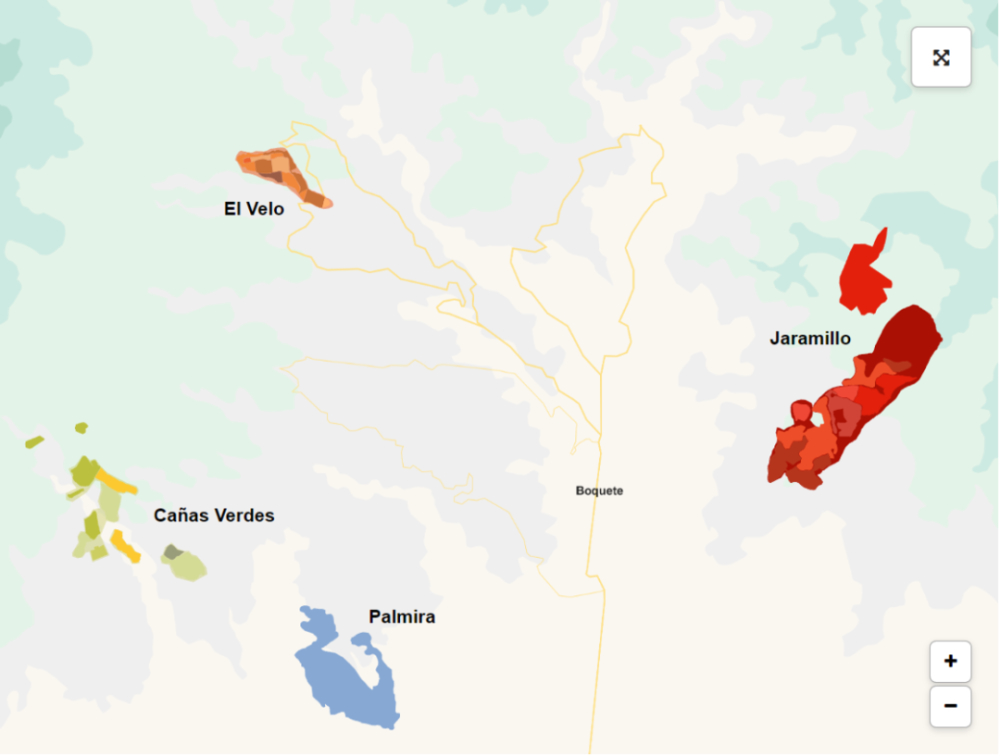
Hacienda Esmeralda put Panamanian Geisha on the map in 2004 when it won the Best of Panama competition. Since then, its auctions have set repeated price records. The estate grows Geisha across three main blocks: Cañas Verdes, Jaramillo, and El Velo. Each is managed separately by elevation, microclimate, and cup profile. Altitude ranges from 1,400 to over 1,800 meters, and the estate even subdivides larger blocks into smaller plots for traceability.
Jaramillo is the most celebrated—home to the original Geisha discovery in Panama and consistently producing some of the highest-scoring lots. Cañas Verdes, at the volcano’s base, is where the estate processes its cherries. El Velo, the highest-elevation plot, is the newest addition and extremely hard to farm. These distinctions matter: where the Geisha is grown directly impacts its flavor profile.
Red Label vs. Green Label: What’s the Difference?
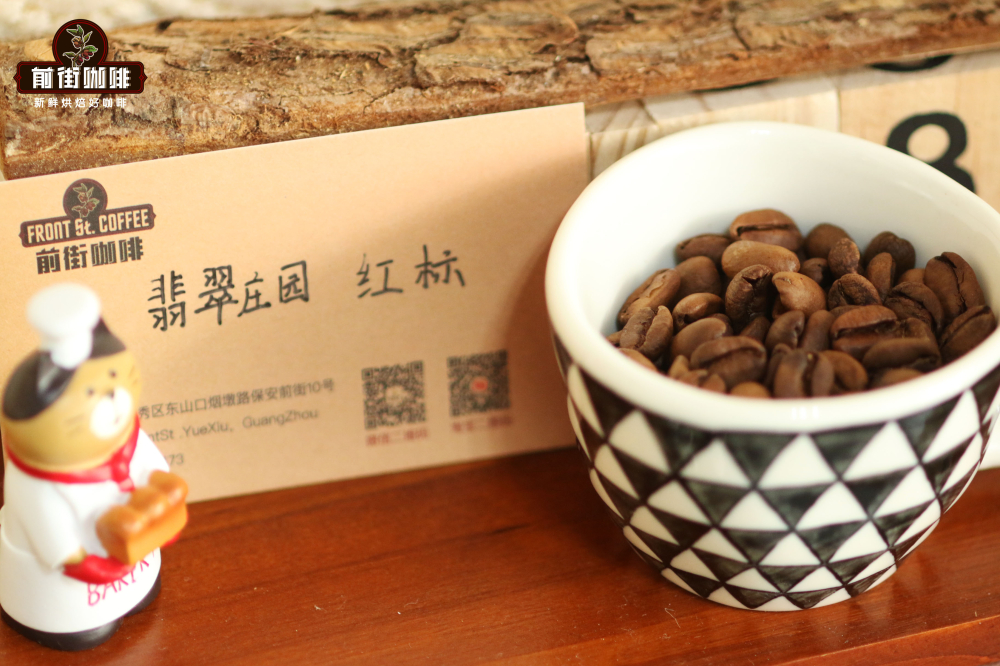
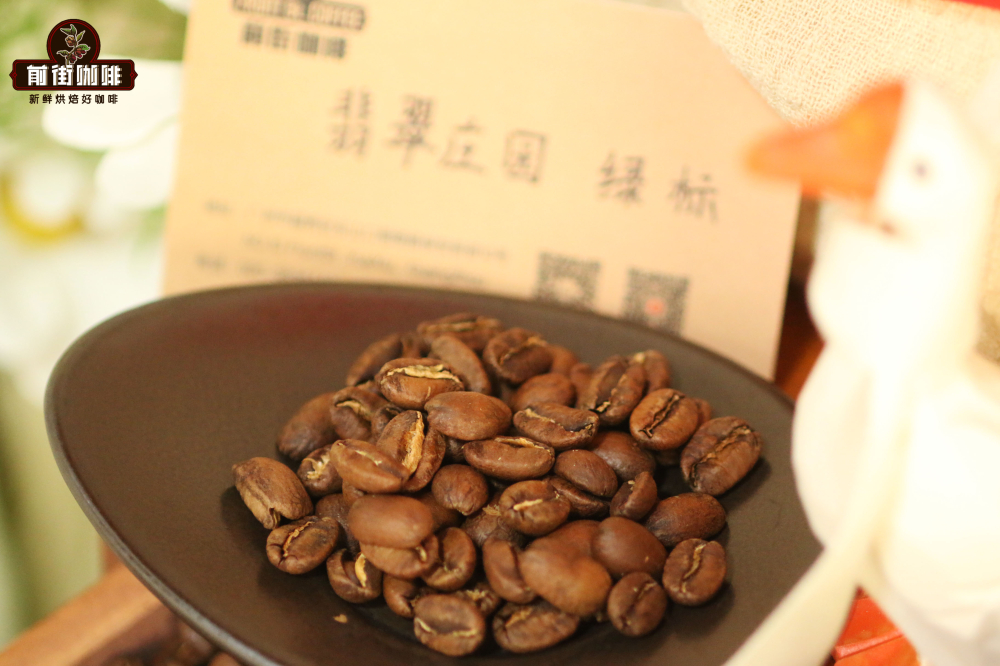
At FrontStreet Coffee and other specialty roasters, you’ll often see two tiers of Esmeralda Geisha: Red Label and Green Label. Here’s how they break down:

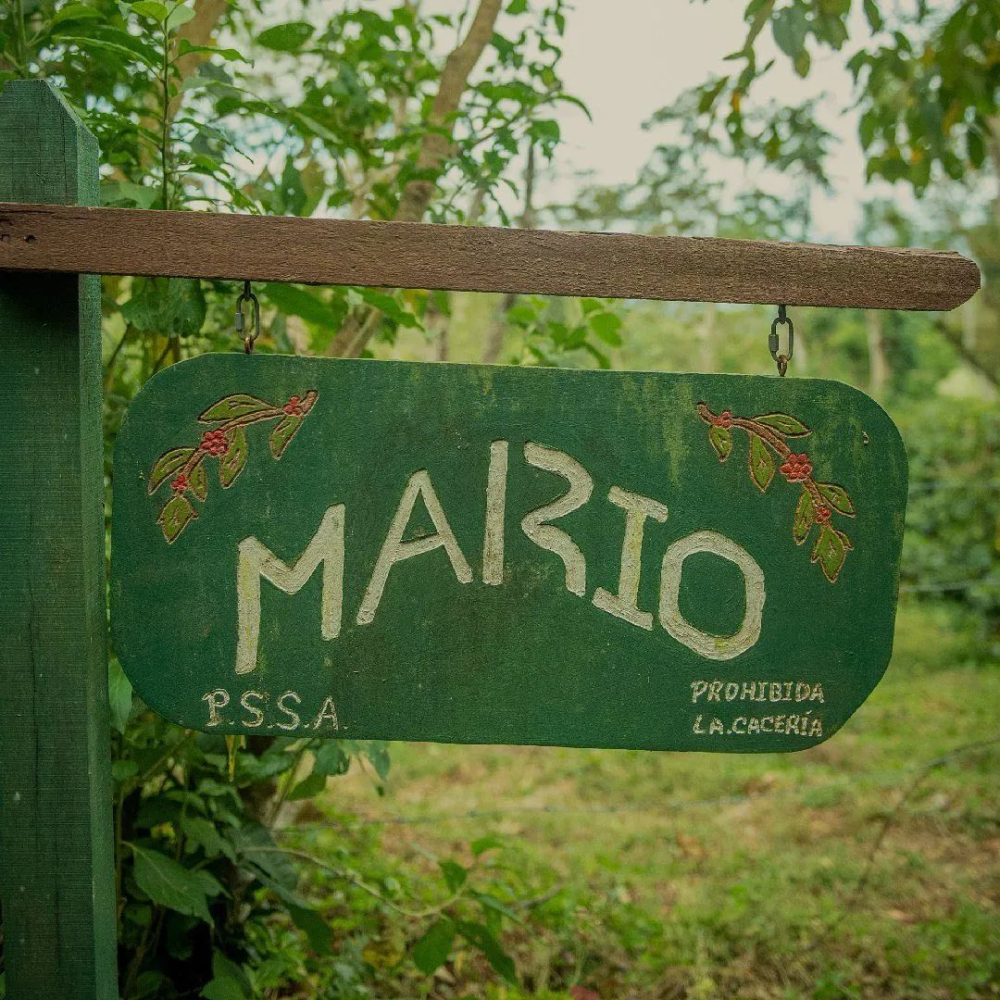
- Red Label (Esmeralda Special): This is the flagship, auction-grade Geisha. It comes from Jaramillo and Cañas Verdes, grown at 1,600–1,800 meters, and scores over 90 in cupping. Red Label lots—like the famous Mario plot—are often sold via exclusive auctions and typically processed as natural (sun-dried). Expect explosive floral notes, tropical fruits, and complex sweetness.
- Green Label (Private Collection): Also from high-elevation Jaramillo and Cañas Verdes, but without specific plot details or auction exposure. Green Label offers the same core Geisha characteristics—think lemon, berry, pomelo, and Tieguanyin-like tea notes—but with a cleaner, more accessible profile. FrontStreet’s version is washed, highlighting those bright, juicy elements.
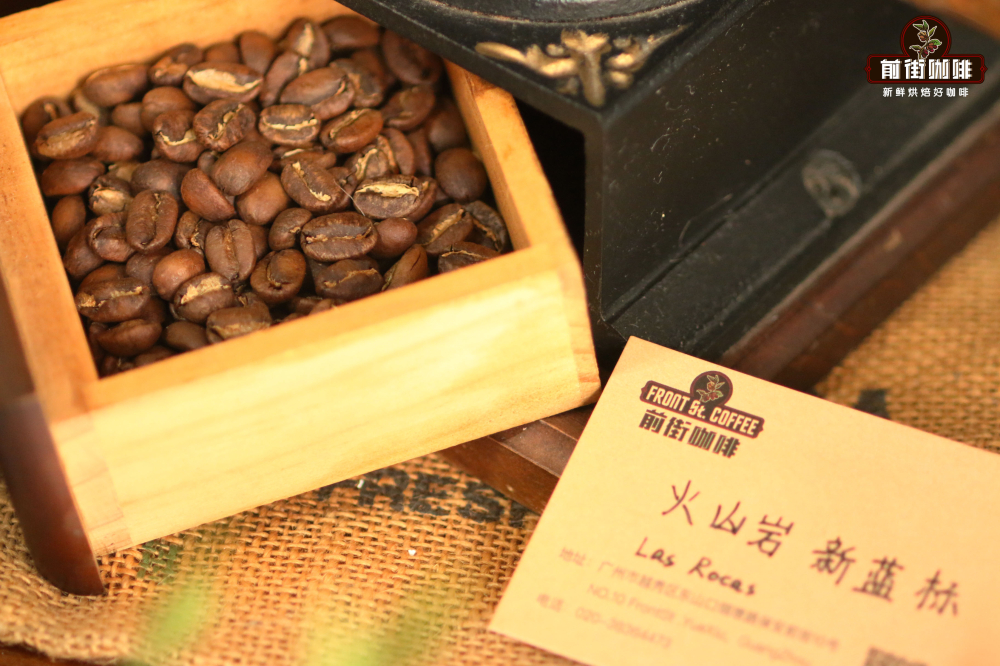
There used to be a Blue Label (formerly Geisha 1500), now renamed Volcánico . It’s a blend from all three blocks, grown at 1,400–1,500 meters. Both natural and washed versions show clear lemon acidity, but the washed lot brings clean oolong-like tea and cane sugar sweetness, while the natural has more tropical fruit and fermented depth.
How to Brew Panamanian Geisha at Home
Geisha’s delicate floral and fruit complexity calls for a light to medium-light roast to preserve its acidity and aromatics. At FrontStreet, roasters aim for an optimal balance, adjusting slightly by batch. The high bean density means you’ll need a finer grind and higher brewing temperature to fully extract its layered flavors.
To highlight clarity and vibrancy, FrontStreet recommends a 1:16 brew ratio using a V60 pour-over. The V60’s spiral ridges and large center hole extend contact time and improve even extraction. Here’s their exact recipe for the Red Label Natural:
- Filter: V60
- Water temp: 92°C
- Dose: 15g
- Brew ratio: 1:16 (240g yield)
- Grind: Fine (like table sugar; 80% through a China-standard No. 20 sieve)
- Steps:
1. Rinse filter, discard water.
2. Add 15g coffee, bloom with 30g water for 30 sec.
3. Pour to 125g by 0:45, spiraling outward.
4. Wait for drawdown to half, then pour to 240g by 1:30.
5. Total brew time: ~2 minutes.
The resulting cup delivers jasmine, citrus, and tropical fruit on the front, shifting to honey and soft tea tones as it cools. The mouthfeel is silky, the acidity crisp, and the finish lingering and clean.
Frequently Asked Questions

What is Geisha coffee and where does it come from originally?
Geisha (or Gesha) coffee originated in the Gori Gesha forest of Ethiopia. It was introduced to Panama in the 1960s and gained global fame after Hacienda Esmeralda won the Best of Panama competition in 2004 with a Geisha lot. Today, it’s grown in several countries but remains most iconic in Panama’s high-altitude volcanic regions.

What makes Panamanian Geisha different from other Geisha coffees?
Panamanian Geisha benefits from high elevations (1,400–2,000m), volcanic soils, and unique microclimates—especially in regions like Boquete and Volcán. These factors produce more pronounced floral aromas, complex fruitiness, and a tea-like acidity compared to Geisha grown elsewhere.
What’s the difference between Red Label and Green Label Geisha from Esmeralda?
Red Label is the estate’s highest-grade, auction-only Geisha from Jaramillo and Cañas Verdes (1,600–1,800m), often scoring over 90 and featuring intense floral and tropical notes. Green Label comes from the same regions but isn’t auctioned or plot-specific, offering a more accessible yet still complex cup with citrus, berry, and tea flavors. Red Label is usually natural processed; Green Label is often washed.
What brewing method works best for Geisha coffee?
A V60 pour-over using a 1:16 brew ratio, 92°C water, and a fine grind (like sugar) highlights Geisha’s floral and fruity complexity. FrontStreet Coffee recommends this method to enhance clarity, acidity, and aroma. Adjust brew time to around 2 minutes for balanced extraction.
Can I find Geisha coffee outside of Panama?
Yes, Geisha is now grown in countries like Colombia, Guatemala, Ethiopia, and even China’s Yunnan region. However, Panama—particularly Boquete—is still considered the benchmark for classic, high-scoring Geisha profiles due to its ideal growing conditions.
What does a good Geisha coffee taste like?
A high-quality Geisha typically features jasmine, orange blossom, citrus (lemon, grapefruit), tropical fruits (mango, pineapple), stone fruits, and a tea-like or honeyed finish. Acidity is bright but smooth, and the body is often light to medium with a clean aftertaste.
Recommended FrontStreet Coffee for Geisha Lovers
Try the FrontStreet Panama Boquete Geisha for a classic expression of the variety: expect bright citrus, floral notes, and a tea-like finish. For something more exclusive, look for their single-origin Geisha offerings sourced from high-elevation farms in Panama’s volcanic region. These beans highlight the signature traits of the Geisha variety with exceptional clarity and complexity. Freshly roasted within 5 days · Orders placed before 17:00 ship the same day · Next-day delivery across most of Guangdong Province.
FrontStreet Coffee is a long-established specialty coffee roaster in Guangzhou China, selling freshly roasted beans from its own farm in Yunnan as well as dozens of carefully selected single-origin beans from around the world for both pour-over and espresso. The products deliver consistently excellent quality and great value, with shipping within 24 hours. Guangzhou's FrontStreet Coffee shop is recommended by many coffee lovers, and the beans are now available online at the Tmall 。
Important Notice :
前街咖啡 FrontStreet Coffee has moved to new addredd:
FrontStreet Coffee Address: 315,Donghua East Road,GuangZhou
Tel:020 38364473