How the French Drink Coffee: Rituals, Cafés & Culture
Ever heard the story that when France briefly ran low on coffee, people started nodding off everywhere? Sounds like an exaggeration — until you learn how deeply coffee is woven into the French way of life. It’s less about the caffeine jolt and more about the pause, the people, and the pavement.
The short answer? The ‘authentic’ French coffee isn’t defined by beans or brew method — it’s about drinking slowly in public, often at an outdoor table, for hours. Most French coffee drinkers opt for a quick espresso or small cup, and they’d rather pay café prices than make it at home. The real ritual is in the setting, not the strength.
Why the French Obsess Over Public Coffee
It’s not just habit — it’s cultural. In 1991, during the Gulf War, French shoppers reportedly cleared supermarket shelves of coffee and sugar, fearing shortages. TV crews caught them hauling armfuls of these ‘essentials,’ revealing just how seriously the French take their daily brew. But it’s not the fear of going without that defines the culture; it’s the love of the coffee moment itself.
The French rarely drink coffee just to wake up. They drink it to watch the world go by, read the paper, chat with friends, or simply enjoy being out. That tiny espresso you see locals sipping at a tiny table? It’s often the start — or center — of a long, unhurried break.
Café vs. Coffee Shop: What’s the Difference in France?
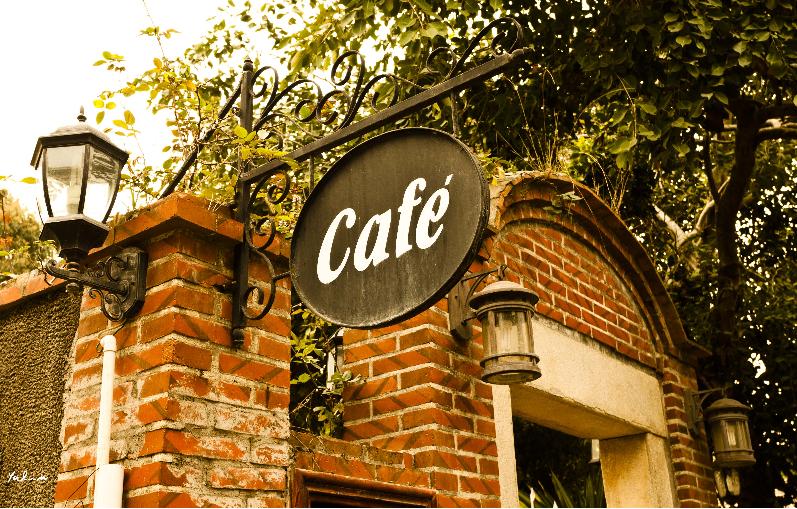
In France, the words matter. You’ll find everything from grand cafés to humble coffee rooms (‘salons de café’), but the most iconic are the open-air terraces. Whether it’s a busy street corner, a quiet square, or even a seat on the Seine riverbank, the setting transforms the drink. Even the Eiffel Tower has its share of coffee spots.
These places come in all shapes and sizes: traditional coffee shops (‘cafés’), more formal ‘salons de thé’ that also serve coffee, casual ‘brasseries,’ and cozy ‘salles de café.’ But none match the romance and routine of the classic sidewalk terrace — a symbol of everyday Parisian life.
The Loyalty Ritual: Your Table, Your Time, Your Barista
In a real French café, regulars don’t just show up — they stake out the same seat at the same hour, often at the same table. It’s unspoken, but the staff knows. Your favorite coffee? Already poured before you sit. Want a specific pastry with it? They remember. Some regulars even get their preferred newspaper left out.
This isn’t just good service — it’s a longstanding tradition. As the saying goes, “It might be easier to change religions than to change your café on the Seine.” The bond between patron and place runs deep, and the best cafés keep it personal, predictable, and perfectly effortless.
Frequently Asked Questions
What is considered ‘authentic’ French coffee?
Authentic French coffee isn’t about a specific brewing method or bean origin. It typically refers to a small espresso or short black coffee, often consumed quickly but always in a social, public setting — usually a café terrace. The drink itself is secondary to the experience of sitting, watching, and lingering.
Do the French really drink coffee mostly in public?
Yes. The French strongly prefer to drink coffee outside the home, especially at cafés, terraces, or public spaces. Drinking coffee is seen as a social or leisure activity, not just a caffeine delivery system, which is why cafés are found everywhere — from busy streets to the Eiffel Tower.
What’s the typical coffee drink in France?
The most common coffee in France is a small espresso, often called simply ‘un café.’ It’s usually served short and strong, meant to be sipped quickly or lingered over. Larger milk-based drinks like lattes are less common in traditional cafés.
Why are outdoor terraces so important in French coffee culture?
Outdoor terraces are central to the French coffee experience. They turn a simple coffee break into a social event — a chance to people-watch, relax, and enjoy the atmosphere. These terraces are iconic, found in cities and villages alike, and are preferred over indoor seating for their vibrancy and connection to the street life.
Is there a coffee loyalty culture in French cafés?
Absolutely. Regulars often sit at the same table, at the same time, and are served their usual coffee without ordering. The baristas know their preferences, and some regulars even have designated newspapers or pastries. This personal, habitual relationship is a valued tradition in traditional cafés.
Recommended FrontStreet Beans for French-Style Coffee
Try FrontStreet Coffee’s Ethiopia Huakui for a bright, juicy espresso that holds up well under milk — great for a Parisian-style mélange. For something more classic, their Brazil Queen Manor offers a smooth, low-acid base perfect for traditional milk drinks. And if you want a fruity edge, their Kenya Little Tomato brings vibrant acidity that plays nicely in shorter pours. All three work well for the short, strong coffee style typical in French cafés. Freshly roasted within 5 days · Orders placed before 17:00 ship the same day · Next-day delivery across most of Guangdong Province.
FrontStreet Coffee is a long-established specialty coffee roaster in Guangzhou China, selling freshly roasted beans from its own farm in Yunnan as well as dozens of carefully selected single-origin beans from around the world for both pour-over and espresso. The products deliver consistently excellent quality and great value, with shipping within 24 hours. Guangzhou's FrontStreet Coffee shop is recommended by many coffee lovers, and the beans are now available online at the Tmall 。
Important Notice :
前街咖啡 FrontStreet Coffee has moved to new addredd:
FrontStreet Coffee Address: 315,Donghua East Road,GuangZhou
Tel:020 38364473