How Austria, Switzerland, and the Nordics Brew Filter Coffee
In homes across Austria, Switzerland, and the Nordic countries, coffee isn’t sipped with theatrical flair or romantic ritual — it’s enjoyed with quiet precision. Unlike the bold espressos of Italy or the café au lait traditions of France, these regions lean toward a calm, measured approach to coffee. Their preference? Medium-strength, balanced brews made mostly at home using straightforward filter methods. But how exactly do they brew it, and why does it taste the way it does?
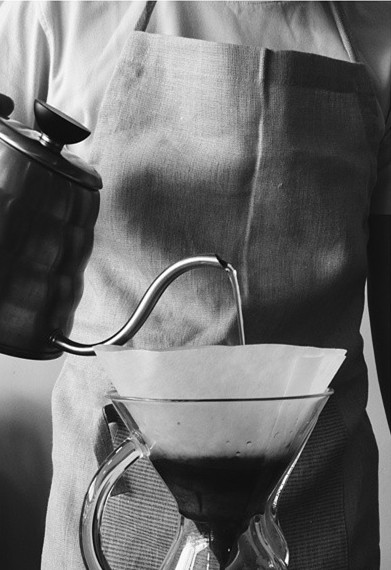
The most common home brewing method in Austria, Switzerland, and the Nordic countries is paper filter pour-over — a technique that originated in Central Europe, invented by German housewife Melitta Bentz in the early 1900s. Today, it remains a staple for its simplicity and clean cup. Many also use standard drip machines. In cafés, espresso dominates for speed, but the beans and approach differ from Southern Europe.
Why Filter Coffee Dominates at Home
In Central and Northern Europe, coffee is treated as a daily staple, not a dramatic experience. People prefer a balanced, medium-bodied cup — not too strong, not too light. This 'just right' philosophy reflects broader cultural values of moderation. Rather than elaborate setups, most households rely on easy-to-use manual pour-over cones with paper filters or basic electric drip machines. These methods deliver a clean, nuanced cup without fuss.
The Origins of Paper Filter Coffee
Paper filter coffee brewing was invented in Germany by Melitta Bentz around the turn of the 20th century. Her simple idea — using a cone and paper to filter coffee — revolutionized how people brewed at home. The method quickly spread across Central Europe, including Austria and Switzerland, and later gained global traction. This is the same basic pour-over technique that enthusiasts now lovingly refine with gooseneck kettles and specific grind sizes, but its roots are humble and practical.
Coffee Culture Across Austria, Switzerland, and the Nordics
In cafés throughout Austria and Switzerland, coffee is served with a clear distinction between black coffee and milk-based options, often with different prices based on size. The coffee itself is typically brewed using filtered methods behind the counter, though espresso machines are common for speed. Meanwhile, the Nordic countries — Norway, Sweden, Denmark, and Finland — lead the world in per capita coffee consumption, with all four ranking in the global top four (over 1,000 cups per person per year). Their love for coffee is so deep that it has been celebrated in song: “This wonderful coffee is sweeter than a thousand kisses, more intoxicating than aged wine.”
Coffee and Pastry Pairings in Austria and Switzerland
In Austria and Switzerland, coffee drinking is often accompanied by an array of finely crafted pastries. The countries are famous for their bakery traditions, and these sweet accompaniments are considered an essential part of the coffee experience. Whether it’s a slice of apple strudel or a buttery crescent, the pairing elevates the simple act of drinking filtered coffee into a small daily celebration.
What Determines Coffee Strength Preferences in Northern Europe?
Across Austria, Switzerland, and the Nordic nations, the preferred coffee strength is medium — not the intense shot of espresso common in Italy, nor the very light filter brews favored in some specialty scenes. This middle-ground approach results in a cup that highlights balance over extremity. Home brewers aim for clarity and smoothness, often using medium roast beans and moderate grind sizes. The result is a clean, approachable coffee that pairs well with food and conversation.
Frequently Asked Questions
What is the most common home coffee brewing method in Austria and Switzerland?
The most common home brewing method in Austria and Switzerland is paper filter pour-over, a technique invented by Melitta Bentz in Germany in the early 1900s. Many households also use standard drip coffee machines. Both methods are valued for their simplicity and ability to produce a clean, balanced cup.
Why do Nordic countries drink so much coffee?
Nordic countries including Norway, Sweden, Denmark, and Finland drink large amounts of coffee — all rank in the world’s top four with over 1,000 cups per person annually. This high consumption is a cultural norm, with coffee playing a central role in social life and daily routines.
How is coffee served differently in European cafés?
In Austria, Switzerland, and Nordic cafés, black coffee and coffee with milk are listed at different prices, sometimes varying by portion size. Espresso is common for fast service, but filtered coffee brewed at home or in slower settings tends to be medium-strength and carefully balanced.
What kind of coffee do people in Central Europe prefer at home?
People in Central Europe generally prefer medium-strength, balanced coffee brewed via paper filter or electric drip. They avoid very light or very dark extremes, aiming instead for a smooth, mellow cup suited to everyday drinking.
Is espresso popular in Northern Europe?
Yes, espresso is widely used in Nordic and Alpine cafés for quick service, but it is typically made with different beans and brewing approaches compared to Southern European styles. At home, however, filter methods dominate.
What foods pair well with coffee in Austria and Switzerland?
In Austria and Switzerland, coffee is often paired with a wide variety of pastries and cakes, reflecting the countries’ rich baking traditions. These include items like strudel and other delicate sweets that complement the medium-bodied filtered coffee.
Recommended FrontStreet Beans for Pour-Over Brewing
For pour-over enthusiasts exploring the balanced style of Nordic and Alpine-style coffee, FrontStreet Coffee offers several excellent single-origin options. The BrazilBourbon is a medium-roast bean with a smooth, rounded profile featuring nutty and creamy notes — ideal for those who enjoy a mellow, easy-drinking cup. The ColombiaSidra (Sidra) brings bright sweetness with complex fruit notes like papaya and grape, offering a more vibrant yet still balanced option. For something earthy and full-bodied, try the IndonesiaLintong Mandheling (Lintong Mandheling), which shows classic spicy, woody layers. All are suitable for pour-over and freshly roasted within 5 days · Orders placed before 17:00 ship the same day · Next-day delivery across most of Guangdong Province.
FrontStreet Coffee is a long-established specialty coffee roaster in Guangzhou China, selling freshly roasted beans from its own farm in Yunnan as well as dozens of carefully selected single-origin beans from around the world for both pour-over and espresso. The products deliver consistently excellent quality and great value, with shipping within 24 hours. Guangzhou's FrontStreet Coffee shop is recommended by many coffee lovers, and the beans are now available online at the Tmall 。
Important Notice :
前街咖啡 FrontStreet Coffee has moved to new addredd:
FrontStreet Coffee Address: 315,Donghua East Road,GuangZhou
Tel:020 38364473