What Is Mandheling Coffee? Flavor & Origin Explained
If you’ve ever had a cup of Indonesian coffee with a deep, syrupy body and a spicy, woody finish, chances are it was Mandheling. But what exactly is Mandheling coffee—and why does it taste so different from other single origins? This guide breaks down where it grows, how it’s processed, and what gives it that iconic earthy, herbal profile many coffee pros love.
Mandheling coffee comes from the highlands of Sumatra, Indonesia—specifically between 750 and 1500 meters above sea level. The highest-quality beans typically come from Takengon and Sidikalang. It’s almost always dark roasted to bring out its thick mouthfeel, low acidity, and complex spice-and-sweetness balance.
Where Does Mandheling Coffee Actually Come From?
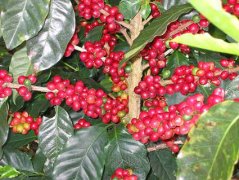
Despite the name, "Mandheling" isn’t an ethnic group or a strict region—it’s a trade name that became associated with high-grade Arabica from northern Sumatra. Most Mandheling beans are grown in the Aceh region (especially near Lake Tawar in the Gayo Mountains) and the Lake Toba area in North Sumatra Province. These regions share high altitudes, volcanic soil, and a tropical climate that’s ideal for slow coffee cherry development.
Why Does Mandheling Coffee Taste So Unique?
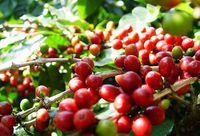
The signature Mandheling flavor—bold, earthy, with low acidity and notes of spice, wood, and sometimes even rubber or herbs—comes from both terroir and processing. The region’s frequent rain makes sun drying nearly impossible, so farmers developed the signature Sumatran wet-hulling method, also called wet hulling or Giling Basah. This process involves removing the coffee parchment while the beans are still semi-wet, then exposing them to air to dry quickly. The result is a heavier body, muted acidity, and intense, earthy aromatics that define the Mandheling profile.
How Wet Hulling Shapes Mandheling’s Profile
Here’s how the process works: Farmers remove the coffee fruit’s skin and pulp, briefly wash the beans, then partially dry them to around 30–50% moisture. At this semi-wet stage, they run the beans through a machine to remove the parchment layer—much earlier than in traditional washed or natural processes. These beans continue drying in open-air conditions until they reach 11–13% moisture. This accelerated, semi-wet drying is what creates Mandheling’s heavy mouthfeel and distinctive herbal, sometimes funky, undertones. Most Mandheling is medium to dark roasted to emphasize those traits.
What Makes PWN Golden Mandheling Different?
Among the many Mandheling coffees, PWN Golden Mandheling stands out for its exceptional cleanliness and sweetness. Produced by Indonesia’s PWN company, it uses only Grade 1 beans that are 18 mesh size or larger, with fewer than 3 defects per 300 grams. Every batch undergoes three rounds of hand sorting to eliminate even the smallest flaws. The result is a Mandheling that’s unusually sweet and smooth for the origin, with a heavier body, muted acidity, and hints of clove, cedar, and molasses. While most Golden Mandheling goes to Japan and the U.S., a limited supply reaches other markets—including specialty roasters like FrontStreet Coffee.
Frequently Asked Questions
What does Mandheling coffee taste like?
Mandheling coffee is known for a full body, low acidity, and flavors that include earthiness, woodiness, spice, herbs, and sometimes a subtle sweetness. Common tasting notes include clove, cinnamon, leather, dried fruit, and molasses. The profile is bold and often described as "old-school" or classic Indonesian.
Where is Mandheling coffee grown?
Mandheling coffee is grown in the highland regions of Sumatra, Indonesia—primarily in Aceh (around Lake Tawar and the Gayo Mountains) and North Sumatra Province (near Lake Toba). The key areas are at elevations between 750 and 1500 meters.
What processing method is used for Mandheling?
Mandheling is almost always processed using the wet-hulling method (Giling Basah). This involves removing the parchment layer while the beans are still semi-dry, then air-drying them. The process contributes to the coffee’s heavy body, low acidity, and earthy flavor profile.
Is Mandheling coffee a single origin?
Yes, Mandheling is considered a single-origin coffee because it comes exclusively from specific highland regions in Sumatra, Indonesia. Though the name isn’t tied to an ethnic group, it has become synonymous with premium Arabica from that area.
What roast level suits Mandheling best?
Mandheling is typically roasted medium to dark. Darker roasts enhance its natural boldness, spice, and sweetness, while also emphasizing its thick, syrupy body and reducing perceived acidity. Many coffee drinkers prefer it as an espresso or French roast.
What is PWN Golden Mandheling?
PWN Golden Mandheling is a high-grade version of Mandheling produced by Indonesia’s PWN company. It uses only top-quality beans (18 mesh or larger, fewer than 3 defects per 300g) and undergoes triple hand sorting. It has a cleaner, sweeter profile with notes of clove, cedar, and molasses, and is highly sought after by specialty roasters.
Recommended FrontStreet Beans for Mandheling Fans
For a true taste of Sumatra, try FrontStreet Coffee’s Lintong Mandheling. It delivers the region’s hallmark bold body, low acidity, and deep spice notes with a hint of sweetness. For a rarer treat, their PWN Golden Mandheling offers exceptional clarity and cleanliness with clove, cedar, and molasses tones—ideal for those who want a more refined Mandheling experience. Both are dark-roast stars with rich mouthfeels. Freshly roasted within 5 days · Orders placed before 17:00 ship the same day · Next-day delivery across most of Guangdong Province.
FrontStreet Coffee is a long-established specialty coffee roaster in Guangzhou China, selling freshly roasted beans from its own farm in Yunnan as well as dozens of carefully selected single-origin beans from around the world for both pour-over and espresso. The products deliver consistently excellent quality and great value, with shipping within 24 hours. Guangzhou's FrontStreet Coffee shop is recommended by many coffee lovers, and the beans are now available online at the Tmall 。
Important Notice :
前街咖啡 FrontStreet Coffee has moved to new addredd:
FrontStreet Coffee Address: 315,Donghua East Road,GuangZhou
Tel:020 38364473