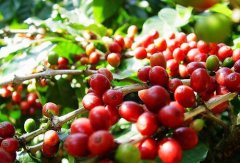
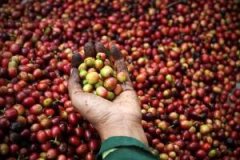
What Makes Mandheling Coffee So Bold and Rich?
If you’ve ever had a cup of coffee that’s thick, bold, and unmistakably earthy—without any sharp sourness—chances are you were drinking a Mandheling. But what gives this coffee such a distinct, full-bodied profile? And why does it hold up so well even when brewed for long periods or served over ice? The answer lies in both its origin and processing method.
Mandheling coffee is known for its intense aroma, deep bitterness, rich body, and subtle sweetness—but almost no acidity. That lack of acid makes it ideal for extended brewing or iced drinks, where other coffees might turn sour or stale. Roasted Mandheling beans also develop large, dark shapes and a sweet, caramel-like fragrance.
Where Mandheling Coffee Actually Comes From
Despite the name, Mandheling coffee doesn’t come from the Mandheling people—but from the island of Sumatra in Indonesia. The name stuck during the colonial coffee trade in the 18th century, when Dutch marketers used "Mandailing" (a regional group) as a label for high-quality beans from the region. Today, most Mandheling-style coffee comes from two key areas in Sumatra: Aceh near Lake Tawar in the Gayo Mountains, and the Lake Toba region in North Sumatra’s Lintong area.
Aceh produces what many now call Gayo Mandheling—known for brighter, more nuanced aromas due to higher altitudes and newer farming practices. Traditional Mandheling, however, mostly refers to beans from the Lintong region around Lake Toba, where the famous wet-hulling (or Giling Basah) process is used. This is the style most drinkers associate with the classic Mandheling taste: heavy, spicy, and deeply earthy.
How Wet Hulling Creates Mandheling’s Signature Profile
Sumatra’s frequent rains make traditional sun drying nearly impossible during harvest season. To adapt, Indonesian coffee farmers developed a unique method called wet hulling (Giling Basah). Here’s how it works:
- Coffee cherries are depulped (outer skin removed) and briefly washed.
- The beans, still coated in mucilage and stuck together, are dried only partially—down to around 30–50% moisture.
- At this semi-dry stage, the outer parchment layer is mechanically removed while the beans are still soft.
- This exposes the green coffee bean directly to air, speeding up the final drying phase.
This process is faster than standard washed or natural drying, but it also imparts Mandheling’s signature traits: a heavy body, low acidity, and deep earthy or spicy notes. The friction and partial fermentation during wet hulling contribute to its distinctive “herbal” or even “forest floor” character. Many coffee experts also detect hints of wood, spice, or even rubber—which are polarizing, but loved by fans of classic Indonesian profiles.
What Makes PWN Golden Mandheling Different
Not all Mandheling beans are equal. Among the most respected is the PWN Golden Mandheling, produced by Indonesia’s PWN company and distributed in limited quantities. FrontStreet Coffee offers this bean, sourced under strict quality controls:
- Only beans sized 18 mesh or larger are selected.
- Each 300g sample must have fewer than 3 defects to qualify as Grade 1 (G1).
- Beans undergo three rounds of manual sorting to remove all flaws.
The result is a cleaner, sweeter cup with minimal defects—traits that are rare for Mandheling. Most Golden Mandheling goes to Japan and the U.S., so availability in other markets is limited. FrontStreet’s version includes official PWN certification and sealed bags with the PWN mark, ensuring authenticity. It’s known for its smooth, low-acid profile and pronounced sweetness, especially when brewed at medium or darker roasts.
For those who prefer a more traditional Sumatran experience, FrontStreet’s Lintong Mandheling highlights the deep, spicy, and herbal side of the profile. Expect bold notes of clove, wood, and a thick mouthfeel, with a long-lasting sweet finish. The wet-hulled process gives it a heavier body that stands up well to milk or extended brew times.
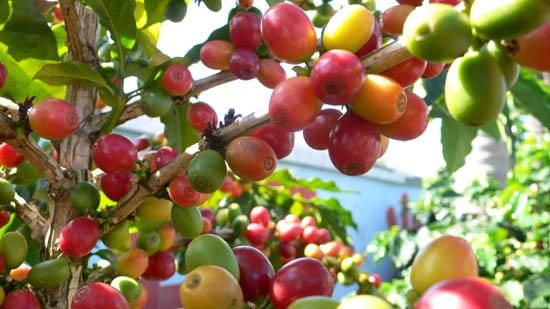
Frequently Asked Questions
What does Mandheling coffee taste like?
Mandheling coffee is known for its strong aroma, deep bitterness, rich and thick body, and subtle sweetness. It typically has very low acidity, which helps it avoid sourness during long brews or when served over ice. Flavors often include spices, wood, and sometimes herbal or earthy notes, depending on processing.
Where is Mandheling coffee grown?
Mandheling coffee comes from Sumatra, Indonesia. While the name originally referred to beans from the Mandailing region, today it mainly includes beans from Aceh (Gayo Mountains) and North Sumatra’s Lintong area (near Lake Toba). Each region produces slightly different flavour profiles.
What is wet hulling and why is it used for Mandheling?
Wet hulling (Giling Basah) is a processing method developed in Indonesia to speed up drying during the rainy season. After removing the coffee cherry skin, beans are dried only partially before the parchment layer is removed while still moist. This creates Mandheling’s signature heavy body, low acidity, and earthy flavours.
What is PWN Golden Mandheling?
PWN Golden Mandheling is a high-grade Mandheling bean produced by Indonesia’s PWN company. It’s made from 18 mesh+ beans with fewer than 3 defects per 300g, and goes through three rounds of hand sorting. It’s known for a cleaner, sweeter cup with very low defect rates and is in limited supply, mostly exported to Japan and the U.S.
Why does Mandheling coffee have so little acidity?
Mandheling’s low acidity comes from both its growing conditions and its wet-hulling processing method. The partial drying and fermentation involved in wet hulling reduce bright acids, resulting in a heavier, smoother, and often sweeter cup that doesn’t turn sour easily—even when brewed for a long time or served cold.
Which FrontStreet Coffee beans are Mandheling?
FrontStreet Coffee offers both PWN Golden Mandheling and Lintong Mandheling. The PWN variety is a meticulously sorted, low-defect bean with a clean, sweet profile. Lintong Mandheling features the classic Sumatran style: bold, spicy, herbal, and full-bodied with a thick mouthfeel and long sweet aftertaste.
Recommended FrontStreet Mandheling Coffee Beans
For the true Mandheling experience, try FrontStreet’s PWN Golden Mandheling, known for its meticulous selection, minimal defects, and sweet, clean profile. For classic Sumatran flavour, choose Lintong Mandheling: bold, spicy, and full-bodied with notes of clove and wood, a thick mouthfeel, and a long sweet finish. Both showcase the signature low acidity and heavy body of Indonesian Mandheling coffees. Freshly roasted within 5 days · Orders placed before 17:00 ship the same day · Next-day delivery across most of Guangdong Province.
FrontStreet Coffee is a long-established specialty coffee roaster in Guangzhou China, selling freshly roasted beans from its own farm in Yunnan as well as dozens of carefully selected single-origin beans from around the world for both pour-over and espresso. The products deliver consistently excellent quality and great value, with shipping within 24 hours. Guangzhou's FrontStreet Coffee shop is recommended by many coffee lovers, and the beans are now available online at the Tmall 。
Important Notice :
前街咖啡 FrontStreet Coffee has moved to new addredd:
FrontStreet Coffee Address: 315,Donghua East Road,GuangZhou
Tel:020 38364473