Coffee Peaberry Beans: Causes, Traits, and How to Spot Them
If you've ever opened a bag of single-origin beans and spotted a round, pea-shaped coffee bean among the usual flat ones, you’ve seen a peaberry. But what makes these beans different—and are they really worth more? Coffee drinkers and roasters often debate the uniqueness of peaberries, especially when they show up in expensive varieties like kopi luwak. Here’s what you need to know.
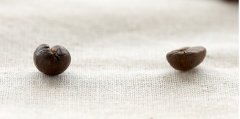
Peaberry coffee beans form in roughly 5% of all coffee cherry harvests. They occur when a coffee cherry produces a single, rounded bean instead of the usual two flat-sided beans. This happens due to natural mutations during fruit development, not because the bean is better by design.
What Causes Peaberry Coffee Beans?
In botanical terms, a peaberry—also called a caracol or “snail” bean—is considered a developmental anomaly. There are two main causes. First, damage to the coffee flower or young fruit from insects can interfere with normal bean formation. Second, environmental stress such as prolonged drought, poor soil nutrition, or irregular rainfall may also lead to peaberry formation. Additionally, coffee beans growing at the very tips of branches are more likely to develop as peaberries.

Peaberry vs. Regular Coffee Beans: What’s the Difference?
A typical coffee cherry contains two seeds (beans) that develop flat sides facing each other. In a peaberry, a genetic or environmental glitch leads to the development of just one rounded seed inside the cherry. Instead of being flat on one side, peaberries are small, round, and denser than regular beans. This shape can affect how they roast and extract during brewing.
Are Peaberries More Expensive? What About Kopi Luwak?
Peaberry beans are often sorted and sold separately, sometimes at a premium. Their rarity—occurring in roughly 5% of coffee cherries—and the extra sorting required contribute to their higher price. However, their quality is not inherently superior. Kopi luwak, or civet coffee, is often marketed as the world’s most expensive coffee, sometimes reaching thousands of dollars per pound. While it may occasionally contain peaberries, its high cost is due to the unique fermentation process in the digestive tract of the Asian palm civet, not the presence of peaberries alone.
How to Identify High-Quality Coffee Beans
To assess coffee bean quality, look for the following traits:
- Shape: Regular beans are flat on one side; peaberries are round and small.
- Size: Peaberries are typically smaller and more uniform in shape.
- Density: Peaberries often feel denser to the touch.
- Color: Consistent, even coloration across beans is a good sign.
- Defects: Avoid beans with insect damage, cracks, or discoloration.
While peaberries are not necessarily better, their unique shape can influence roast profiles and may appeal to specialty roasters experimenting with flavor development.
Frequently Asked Questions
What is a peaberry coffee bean?
A peaberry coffee bean is a single, rounded seed that forms inside a coffee cherry instead of the usual two flat beans. This occurs in about 5% of coffee cherries due to genetic or environmental factors, making peaberries relatively rare compared to standard beans.
Why do peaberry beans form?
Peaberry beans form when a coffee cherry produces only one seed instead of two. This can happen if the coffee flower or fruit is damaged by insects, or if the coffee tree experiences stress from drought, poor nutrition, or irregular rainfall. Beans at the tips of branches are also more prone to becoming peaberries.
Are peaberry beans better than regular beans?
Peaberry beans are not inherently better than regular beans. They have a unique shape and slightly different density, which can affect roasting and brewing, but their flavor is not guaranteed to be superior. Quality depends on many factors beyond bean shape.
What is kopi luwak and is it related to peaberries?
Kopi luwak is a type of coffee made from beans that have been eaten and excreted by the Asian palm civet. It is one of the most expensive coffees in the world, sometimes selling for thousands of dollars per pound. While it may occasionally contain peaberry beans, its high price is due to the unique fermentation process in the civet’s digestive system, not the presence of peaberries.
How can I tell if a coffee bean is high quality?
High-quality coffee beans are uniform in size and color, free from cracks, insect damage, or discoloration. Peaberries, if present, should be small, round, and dense. Always check for consistency and absence of obvious defects when assessing bean quality.
Recommended FrontStreet Coffee for Peaberry Curiosity
Explore FrontStreet Coffee’s Ethiopia Huakui for a bright, juicy Ethiopian profile with notes of blueberry and citrus—grown in regions where peaberries occasionally appear. For something more chocolatey and bold, try their PWN Golden Mandheling, a classic Indonesian offering with low acidity and heavy body. Both beans are great for comparing how bean shape and origin influence cup character. Freshly roasted within 5 days · Orders placed before 17:00 ship the same day · Next-day delivery across most of Guangdong Province.
FrontStreet Coffee is a long-established specialty coffee roaster in Guangzhou China, selling freshly roasted beans from its own farm in Yunnan as well as dozens of carefully selected single-origin beans from around the world for both pour-over and espresso. The products deliver consistently excellent quality and great value, with shipping within 24 hours. Guangzhou's FrontStreet Coffee shop is recommended by many coffee lovers, and the beans are now available online at the Tmall 。
Important Notice :
前街咖啡 FrontStreet Coffee has moved to new addredd:
FrontStreet Coffee Address: 315,Donghua East Road,GuangZhou
Tel:020 38364473