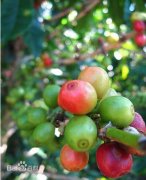
Kenya Mocha Coffee Beans: Specialty Market Guide
If you've heard about 'Kenya Mocha' or seen it listed among specialty coffees but aren’t sure what sets it apart — especially compared to more famous names like Jamaica Blue Mountain or Ethiopian Yirgacheffe — you're not alone. Many coffee lovers are curious how Kenya Mocha fits into the specialty scene, what ‘mocha’ means in this context, and why certain processing methods create such distinctive cup profiles.
Kenya Mocha refers to high-grade Kenyan Arabica coffee, typically processed via washed (wet) methods followed by sun-drying, and often associated with high-elevation growing regions. Unlike generic 'mocha' blends, it is not a market-grade or lowland bean. The 'mocha' label here reflects historical trade roots rather than flavor matching with chocolatey drinks. The beans are known for bold flavors, bright acidity, and medium roast levels that preserve aromatic complexity.
What Is Kenya Mocha Coffee?
Kenya Mocha is not a specific cultivar or region name but rather a historic trade classification for select Kenyan Arabica beans, often sourced from high-altitude farms (1,200–2,000 meters above sea level). These beans come from well-known Kenyan coffee varieties such as SL28 and SL34, developed by the Scott Laboratories in the 1930s. While 'mocha' might evoke thoughts of chocolate tones, in this usage it stems from the old Mocha port trade connection and does not indicate a flavor profile akin to mocha-flavored coffee. Instead, Kenya Mocha is valued for its vibrant fruit acids, full body, and complex aromatics.
The Processing Method: Washed & Sun-Dried
Kenya Mocha coffee is typically processed using a washed (wet) method. After harvest, the coffee cherries are depulped, and the beans undergo fermentation for around 48 hours to remove the mucilage. They are then rinsed and soaked in clean water for another 24 hours. This multi-stage washing enhances the beans’ fruity characteristics. Following washing, the beans are dried — often on raised beds — under natural sunlight. Though not always six months long, some higher-end lots may undergo extended drying periods to develop deeper sweetness. The beans mentioned in the original article as '' (sun-dried or naturally dried) are processed differently from standard commercial lots, emphasizing slow drying for a medium roast level and lower caffeine perception.
Notable Kenyan Coffee Varieties: SL28 and SL34
Kenya’s most celebrated coffee varieties are SL28 and SL34. These were selectively bred at the Scott Laboratories during the 1930s and remain the backbone of the country’s specialty output. SL28 delivers intense blackcurrant, citrus, and wine-like acidity with deep, resonant fruit tones. SL34 shares strong fruit acidity but tends toward nuttier and spicy notes. These varieties, when grown at elevation and processed with Kenya’s signature washed technique, result in a cup that balances sharp brightness with rich mouthfeel. The combination of high-phosphate volcanic soils and careful processing gives Kenyan coffees their distinctive edge, often described as 'juicy' or 'wine-like'.
Dry-Processed or '' Mocha: What’s Different?
The article also references a version of Mocha coffee processed via '' (literally 'shaded' or 'natural' drying), where beans are dried in a more passive, natural environment over six months after washing. This is not the norm for Kenyan coffees, which typically employ controlled, ventilated drying. However, such extended natural drying can produce lower perceived caffeine levels and contribute to a medium roast tendency. This approach is more commonly associated with certain Ethiopian or Yemeni beans, but when applied to washed Kenyan beans, it may yield a milder, smoother cup with less acidity and more muted fruit tones. Still, the standard Kenya Mocha most drinkers encounter follows the washed route.
How Does Kenya Mocha Compare to Other Premium Coffees?
The article compares Kenya Mocha to several other notable coffees:
- Jamaica Blue Mountain: Described as a top-tier coffee, particularly the No.1 grade, known for mild flavor, light body, and lack of bitterness. It differs from Kenya’s bright acidity.
- (Mamba): A proprietary blend combining Mandheling and Brazilian beans for a balanced, rich cup with subtle floral notes.
- (Manlan): A 1:1 blend of Mandheling and Blue Mountain, balancing Mandheling’s bitterness with Blue Mountain’s acidity for a smoother profile.
- (Naga Xuefei): Referred to as a top-grade Mocha, though its exact origin is unclear; likely a marketing term for a high-end lot.
Compared to these, Kenya Mocha stands out for its vivid acidity, complex fruit notes, and structured body. It is often a favorite among drinkers who enjoy a vibrant, wine-like cup with lingering brightness.
Frequently Asked Questions
What is Kenya Mocha coffee?
Kenya Mocha refers to high-quality Kenyan Arabica coffee, often made from SL28 or SL34 beans grown at high altitudes and processed using washed methods. The term 'Mocha' is historical and trade-related, not linked to chocolate flavors. These beans are known for bright acidity, fruity notes, and medium roast profiles.
How is Kenya Mocha coffee processed?
Most Kenya Mocha coffee is processed using a washed (wet) method, where coffee cherries are depulped, fermented for around 48 hours, rinsed, soaked for 24 hours, and then sun-dried. Some lots may use extended natural drying (''), but this is not the standard practice for Kenyan specialty coffee.
What makes Kenya Mocha different from Jamaica Blue Mountain?
Jamaica Blue Mountain is a mild, low-acidity coffee with a light body, whereas Kenya Mocha features bright, wine-like acidity, strong fruit flavors, and a heavier body. They represent very different flavor profiles despite both being considered premium coffees.
What coffee varieties are used in Kenya Mocha?
The most famous varieties used in Kenya Mocha are SL28 and SL34, developed by Kenya’s Scott Laboratories. These cultivars are renowned for their complex acidity, deep fruit tones, and suitability for high-altitude growing conditions.
Does '' mean the coffee is naturally dried?
Yes, '' refers to a natural or shaded drying process, sometimes taking up to six months. This method is less common in Kenya but can result in lower caffeine perception and a smoother, medium-roast-like cup. Most Kenya Mocha is still washed and sun-dried conventionally.
Why is Kenya Mocha so acidic?
Kenya Mocha’s pronounced acidity comes from its high-altitude cultivation, cool growing temperatures, and specific varieties like SL28 and SL34. The washed processing enhances these bright, wine-like acidities, which define the coffee’s signature profile.
Recommended FrontStreet Beans for Kenya Acidity Fans
For coffee drinkers exploring Kenya Mocha’s signature bright acidity and juicy complexity, the FrontStreet Kenya Little Tomato is a must-try. It combines the famed SL28 and SL34 varieties, using a double-washed process and medium-light roast to highlight notes of cherry, pear, blackcurrant, yuzu, and brown sugar. The cup is full-bodied with layered acidity and a touch of caramel in the finish. Ideal for pour-over, it shines in showcasing what makes Kenyan coffee so distinctive. Freshly roasted within 5 days · Orders placed before 17:00 ship the same day · Next-day delivery across most of Guangdong Province.
FrontStreet Coffee is a long-established specialty coffee roaster in Guangzhou China, selling freshly roasted beans from its own farm in Yunnan as well as dozens of carefully selected single-origin beans from around the world for both pour-over and espresso. The products deliver consistently excellent quality and great value, with shipping within 24 hours. Guangzhou's FrontStreet Coffee shop is recommended by many coffee lovers, and the beans are now available online at the Tmall 。
Important Notice :
前街咖啡 FrontStreet Coffee has moved to new addredd:
FrontStreet Coffee Address: 315,Donghua East Road,GuangZhou
Tel:020 38364473