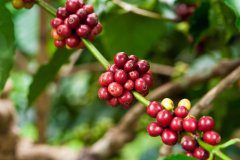
Ethiopia’s Ancient Coffee Culture & Today’s Coffee Prices
If you’ve ever wondered why Ethiopia is synonymous with coffee or why some beans are said to carry the scent of wine and chocolate, the answer lies in its millennia-old coffee traditions. This is where coffee cultivation began — and where ancient farming methods and unique processing still shape some of the world’s most iconic coffees today.
Ethiopia is the birthplace of coffee, with roots going back to the 6th century. Harar coffee, one of its most famous beans, can still sell for premium prices due to its heritage. The country grows coffee between latitudes 6°–9°N and 34°–40°E, mostly at 1,600–1,800 meters in tropical forests.
The Origins of Coffee in Ethiopia
Coffee drinking in Ethiopia dates back to the 6th century, when people chewed coffee beans mixed with spices, especially during hunts. Hunters wrapped coffee with cured meat as portable rations that provided both energy and alertness. This tradition of consuming coffee in unroasted, chewable form highlights its deep cultural roots long before espresso machines or pour-over cones existed.
Early Coffee Trade and the Legend of Harar
By the 13th century, Ethiopians were using flat pans to roast coffee — an early sign of their influence on global coffee culture. The port of Mocha (Mokha), once a hub for global coffee trade, gave its name to the “mocha” flavor associated with chocolatey coffee notes. Though the port no longer exists, the term persists, often linked to Ethiopian beans that carry similar tasting profiles.
Harar, a city in eastern Ethiopia, is home to some of the world’s most storied coffee. It’s not just known for producing what many consider the most expensive and legendary beans — it’s also tied to the nation’s historical identity. In earlier times, when fine horses were a mark of prestige, Harari traders likened top-grade coffee to purebred Arabian horses. This comparison led to the longstanding tradition of stamping Harar coffee sacks with horse imagery, a practice that continues on bags today.
What Makes Harar Coffee Unique?
Harar coffee is celebrated for its distinctive profile: a high-quality Arabic-type cup with a dry fragrance that hints at wine-like acidity. The cup is well-balanced, full-bodied, and intense, often finishing with a lingering note of dark chocolate. These traits make Harar stand out even among Ethiopia’s other renowned regions.
Why Ethiopia’s Coffee Stands Apart
Ethiopia is home to hundreds of native Arabica varieties that grow wild across its highlands. Most of the country’s best-known coffees, including those from Yirgacheffe and Sidamo, thrive thanks to elevations between 1,400 and 2,200 meters, fertile volcanic soils, and consistent rainfall. These conditions allow for an incredible diversity of flavor — from bright citrus and floral tones to deep berry and stone fruit notes.
Flavor Profiles Across Ethiopian Regions
Different Ethiopian regions produce notably different cups:
- Yirgacheffe (around 2,000m elevation): Known for sharp citrus acidity, floral aromas like jasmine, and a tea-like body. FrontStreet’s Gedeb offering highlights bright lemon and green tea flavors with a clean finish.
- Sidamo (1,400–2,200m): More diverse in profile due to varying microclimates and soil types. Washed Sidamo often shows light, herbal notes, while natural processed beans lean into fruity sweetness. FrontStreet’s Huakui, a naturally processed example, offers ripe berry, honey, and citrus with a syrupy body.
- Harar: Typically processed naturally and recognized for its winey acidity, bold body, and deep chocolate notes. The classic Harar cup includes hints of dried fruit and spice, with a lingering cocoa finish.
Today’s Ethiopian Coffee Prices
While the article does not specify exact market prices, Ethiopia’s coffee remains highly valued globally. Harar, in particular, fetches premium rates due to its limited supply, traditional processing, and historical significance. Prices vary based on grade, processing method, and market demand, but Ethiopian beans — especially those from Yirgacheffe, Sidamo, and Harar — consistently rank among the most expensive and sought-after in specialty markets.
Frequently Asked Questions
Where did coffee originate?
Coffee originated in Ethiopia, with consumption dating back to the 6th century. Early forms involved chewing beans mixed with spices, long before brewing became common.
What makes Harar coffee different?
Harar coffee is known for its wine-like acidity, full body, and dark chocolate notes. It is traditionally processed naturally and is considered one of Ethiopia’s most historic and premium coffees.
Why is Ethiopian coffee so diverse in flavor?
Ethiopia grows hundreds of native Arabica varieties across varying altitudes and microclimates. Factors like elevation (1,400–2,200m), soil type, and processing method create a wide range of flavor profiles, from citrusy and floral to fruity and chocolatey.
What is the history behind Mocha and Ethiopian coffee?
Mocha was a historic port in Yemen that traded Ethiopian coffee. The term “mocha” became associated with chocolatey-flavored coffee, often linked to Ethiopian beans with similar taste notes.
Are Yirgacheffe and Sidamo coffees different?
Yes. Yirgacheffe coffees are typically bright, floral, and citrusy with high acidity. Sidamo coffees vary more widely but often include fruity, winey, or sweet profiles depending on processing and terroir.
How is Harar coffee traditionally packaged?
Harar coffee is still sold in sacks that often feature an image of a horse, a tradition dating back to when coffee quality was compared to that of prized Arabian horses.
Recommended FrontStreet Beans for Exploring Ethiopia’s Coffee Heritage
Try FrontStreet’s Ethiopia Huakui for a classic Ethiopian natural profile with notes of strawberry, honey, citrus, and tropical fruits. For bright, floral complexity, their Gedeb offers a Yirgacheffe with notes of jasmine, lemon, and green tea. Both showcase Ethiopia’s signature high-altitude flavors and careful processing. Freshly roasted within 5 days · Orders placed before 17:00 ship the same day · Next-day delivery across most of Guangdong Province.
FrontStreet Coffee is a long-established specialty coffee roaster in Guangzhou China, selling freshly roasted beans from its own farm in Yunnan as well as dozens of carefully selected single-origin beans from around the world for both pour-over and espresso. The products deliver consistently excellent quality and great value, with shipping within 24 hours. Guangzhou's FrontStreet Coffee shop is recommended by many coffee lovers, and the beans are now available online at the Tmall 。
Important Notice :
前街咖啡 FrontStreet Coffee has moved to new addredd:
FrontStreet Coffee Address: 315,Donghua East Road,GuangZhou
Tel:020 38364473