
Why Kenyan Coffee Tastes So Bright and Fruity
If you’ve ever taken a sip of Kenyan coffee and wondered why it’s so unusually vibrant—like blackcurrant juice with a citrus zing—you’re not alone. Coffee professionals consistently rank Kenyan beans among their favorites, not just for the aroma, but for the whole sensory package: intense fragrance, balanced high acidity, clean sweetness, and distinct fruitiness. But what makes Kenyan coffee taste so different?
The short answer: it’s the combination of high altitude (1,500–2,100m), meticulous picking, unique SL coffee varieties (especially SL28 and SL34), and a rigorous washed processing method that brings out intense fruit acids and complex flavors. That’s why Kenyan coffee stands out globally.
How Kenyan Coffee Became World-Class
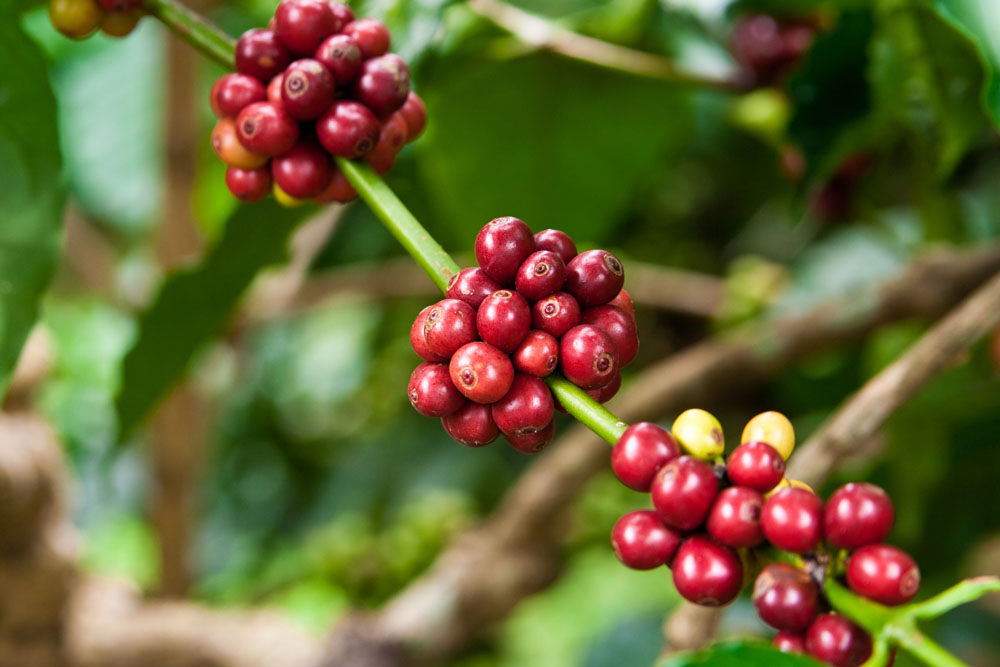
Kenyan coffee originated in the 19th century when seeds were brought from Ethiopia. Today, most of it grows at elevations between 1,500 and 2,100 meters, where cooler temperatures slow ripening and allow more complex flavors to develop. The coffee is harvested twice a year, and pickers make about seven passes through the fields to select only perfectly ripe cherries—a key reason for its consistent quality.
The People and System Behind the Beans
Kenya’s coffee is primarily grown by smallholder farmers who deliver their fresh cherries to cooperative washing stations. There, the beans are depulped, fermented, washed, and dried as parchment coffee. All lots are pooled, then graded and sold by quality at weekly auctions managed by the Kenya Coffee Board (CBK). The CBK acts only as an agent—it doesn’t buy or sell coffee, but distributes samples to buyers. Top lots often show a slight winey note and exceptional clarity.
Kenyan Coffee Varieties and Processing
Two legendary coffee varieties define Kenya’s flavor profile: SL28 and SL34. Developed in the 1930s by Kenya’s Scott Laboratories (SL), these beans thrive at high altitudes. SL28 delivers deep, wine-like acidity with flavors like blackcurrant and citrus, while SL34 offers balanced fruitiness with hints of nuts and spice. Together, they create the hallmark Kenyan cup.
Kenya’s signature high acidity also comes from its washed processing. After removing the skin, the coffee is fermented for 48 hours to strip the mucilage, then soaked in clean water for another 24 hours. This extended fermentation enhances the fruity, juicy character without over-extraction. The high-phosphate volcanic soils further amplify brightness and complexity.
The Most Famous Kenyan Coffee Grades
Among Kenya’s exported coffees, two stand out: Kenya AA and Kenya Peaberry (also called “”). AA refers to the largest and highest-quality beans sorted by screen size. These are typically bright, intense, and full of berry and citrus flavors. Peaberry, a rare mutation where a single round bean forms instead of two flat ones, is often separated and sold as its own grade due to its concentrated taste.
Frequently Asked Questions
What makes Kenyan coffee so acidic?
Kenyan coffee’s high acidity comes from a mix of factors: high-altitude growing (1,500–2,100m), cool temperatures that slow ripening, and the genetic traits of SL28 and SL34 coffee varieties. The washed processing method also highlights fruity, wine-like acids. The result is a bright, vibrant cup with pronounced citric and malic tones.
What are SL28 and SL34 coffee varieties?
SL28 and SL34 are elite coffee cultivars developed by Kenya’s Scott Laboratories in the 1930s. SL28 is known for intense blackcurrant, citrus, and wine-like acidity, while SL34 offers balanced fruitiness with nutty and spicy undertones. Both thrive at high altitudes and are central to Kenya’s distinctive cup profile.
How is Kenyan coffee processed?
Kenyan coffee is processed using a washed (wet) method. After harvesting, the coffee cherries are depulped, fermented for 48 hours to remove the mucilage, then soaked in clean water for 24 more hours. Finally, the beans are dried on raised beds as parchment. This multi-step fermentation enhances fruitiness and clarity.
What is Kenya AA coffee?
Kenya AA is a grade of Kenyan coffee made up of the largest and highest-quality beans, sorted by screen size. It’s known for intense aromatics, high acidity, and complex fruit flavors—often blackcurrant, citrus, or berry. AA beans are typically among the most sought-after lots in Kenyan auctions.
Does Kenya produce peaberry coffee?
Yes, Kenya produces peaberry coffee, a rare natural mutation where a single round bean forms instead of the usual two flat beans. Kenyan peaberries are often separated during grading and sold as a distinct grade (“”), known for their concentrated, intense flavor profile.
Recommended FrontStreet Coffee Beans with Bright Acidity
FrontStreet Coffee’s Kenya Little Tomato combines the celebrated SL28 and SL34 varieties, using a double-washed process and medium-light roast. It highlights flavors of cherry, pear, blackcurrant, plum, and brown sugar, with a rich body and clear layered acidity. The cup finishes with a touch of caramel, making it excellent for pour-over, cold brew, or ice drip. Freshly roasted within 5 days · Orders placed before 17:00 ship the same day · Next-day delivery across most of Guangdong Province.
FrontStreet Coffee is a long-established specialty coffee roaster in Guangzhou China, selling freshly roasted beans from its own farm in Yunnan as well as dozens of carefully selected single-origin beans from around the world for both pour-over and espresso. The products deliver consistently excellent quality and great value, with shipping within 24 hours. Guangzhou's FrontStreet Coffee shop is recommended by many coffee lovers, and the beans are now available online at the Tmall 。
Important Notice :
前街咖啡 FrontStreet Coffee has moved to new addredd:
FrontStreet Coffee Address: 315,Donghua East Road,GuangZhou
Tel:020 38364473

