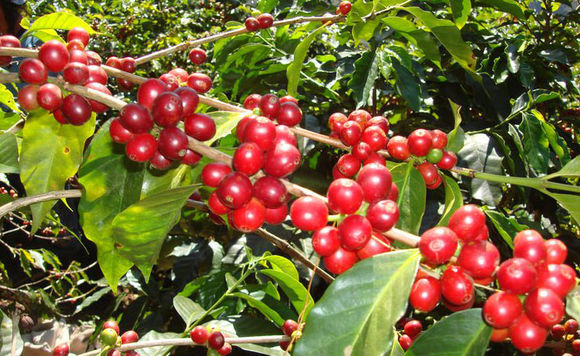
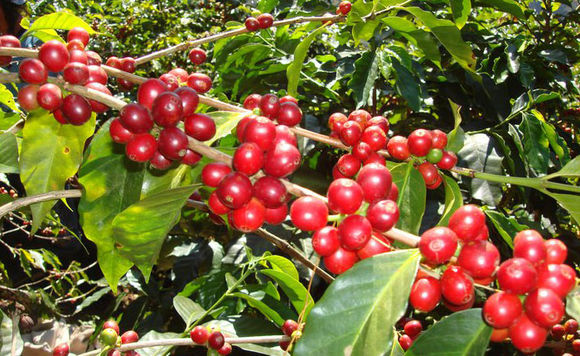
Geisha Coffee: Arabica or Robusta?
Ever stared at a coffee bag label wondering whether your beans are really the premium Arabica you paid for — or some bitter, low-grade Robusta in disguise? That question hits hard when you’re buying single-origin specialty coffee, especially from places like Panama, where both types grow but only one defines the country’s global reputation.
The short answer: the coffee from Panama’s Qing Shen Estate is 100% Arabica — specifically the Geisha (Geisha) variety, grown at 1500–1675 metres above sea level and processed using the washed method. No Robusta here.
Arabica vs. Robusta: The Global Coffee Split
Worldwide, coffee trees fall almost entirely into two species: Arabica (70–80% of global production) and Robusta (the rest). Arabica beans are prized for their complex flavours and are the foundation of specialty coffee — the kind you’ll find in high-end cafés and premium retail. Robusta, on the other hand, has harsher, more bitter notes, higher caffeine content, and is typically used in instant coffee or as a filler in espresso blends.
The Origins of Arabica’s Most Famous Families
Two of the oldest and most influential Arabica varieties trace back to Ethiopia: Typica and Bourbon. These were taken to Central and South America and Asia, where they mutated into many of today’s familiar cultivars. Typica, known for large, oval beans and bronze-tipped leaves, is the ancestor of famous beans like Mandheling, Blue Mountain, and — relevant here — Geisha. Bourbon, considered either a cousin or a direct descendant of early Typica transplants to Yemen, is another pillar of quality coffee genetics.
What Is Geisha (Geisha) Coffee?
Geisha (also spelled Gesha) is part of the Typica family. Originally from the Geisha Mountains of Ethiopia (note: the name is coincidentally close to the Japanese word for “geisha”), it was brought to Panama in the 1960s via Costa Rica — but didn’t gain fame until the mid-2000s. That’s when Panamanian farms, including those at high altitudes, started entering cupping competitions and surprising judges with its unique profile.
Qing Shen Estate: A Micro Farm Growing Geisha
The Qing Shen Estate , run by the second generation of the Osorio family, spans just 12.5 hectares — a true micro farm by Panamanian standards. Out of its total area, 8.5 hectares grow common varieties such as Typica, Red Catuai, and Pacamara. But starting around 2008, the estate began planting Geisha on select plots. Today, nearly half the farm is dedicated to this premium variety. The farm sits between 1500 and 1675 metres above sea level, conditions ideal for slow cherry maturation and high flavour complexity. In addition to coffee, the estate maintains 3.5 hectares of native forest and fruit trees, including cypress, pine, and eucalyptus — a model of sustainable, self-contained farming.
Washed Processing: Highlighting Geisha’s Best Traits
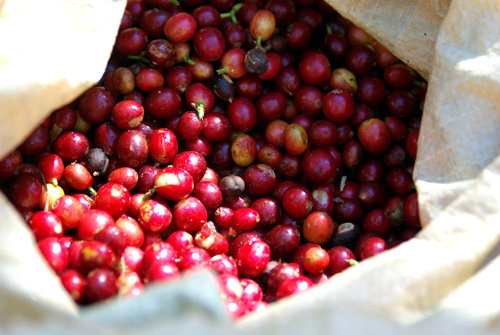
This particular lot from Qing Shen Estate is processed using the washed method — a traditional technique where coffee cherries are sorted by buoyancy, pulped to remove the skin, fermented to break down the mucilage, then thoroughly washed and dried. This method tends to produce coffee with brighter acidity, a cleaner cup, and more pronounced aromatic qualities. For Geisha, washed processing helps underscore its signature traits: delicate citrus acidity and layered floral notes.
Why the Confusion Between Arabica and Robusta?
Many casual coffee drinkers assume all specialty beans are Arabica — but without clear labelling or knowledge of variety, it’s easy to wonder. Robusta is cheaper, hardier, and often used in lower-cost blends, but it lacks the nuanced flavours that define Arabica. In Panama, while both species can grow, the country’s fame rests on its Geisha — an Arabica variety that has redefined what specialty coffee can taste like.
Frequently Asked Questions
Is the coffee from Qing Shen Estate Arabica or Robusta?
The Qing Shen Estate coffee described is 100% Arabica, specifically the Geisha (Geisha) variety. There is no Robusta involved in this particular lot.
What makes Geisha coffee different from other Arabica varieties?
Geisha (Geisha) is known for its distinctive profile: high-toned citrus acidity, floral aromatics, and a tea-like body. It originated in Ethiopia, was brought to Panama in the 1960s, and gained global recognition in the 2000s for winning cupping competitions with its unique cup quality.
Where is Qing Shen Estate located and at what altitude does it grow coffee?
Qing Shen Estate is in Panama, specifically in the Boquete region near the Baru volcano. The coffee is grown at elevations between 1500 and 1675 metres above sea level — conditions that favour slow ripening and enhanced flavour development.
What coffee varieties besides Geisha are grown at Qing Shen Estate?
Out of the estate’s 12.5 hectares, 8.5 hectares grow more common varieties such as Typica, Red Catuai, and Pacamara. Geisha was introduced around 2008 and now makes up nearly half of the planted area.
How is the coffee from Qing Shen Estate processed?
The coffee is processed using the washed method, which involves removing the coffee cherry skin, fermenting to remove the mucilage, washing thoroughly, and drying the beans. This method enhances the coffee’s clarity, acidity, and cleanliness in the cup.
What does washed processing do for Geisha coffee?
Washed processing helps highlight the delicate and complex characteristics of Geisha coffee, particularly its bright citrus acidity and floral notes, by producing a cleaner and more aromatic cup.
Recommended FrontStreet Beans for Geisha Lovers
For fans of Panama’s Geisha, try FrontStreet’s washed-process single origins that share bright acidity and floral complexity. The Yirgacheffe from Ethiopia delivers vibrant citrus and jasmine notes, while the Kenya Little Tomato shows sweet berry and tart acidity — both processed to showcase origin character. For a classic washed profile, the Gedeb offering highlights clean fruity layers. All are crafted through washed methods that align with how Qing Shen Estate processes its Geisha. Freshly roasted within 5 days · Orders placed before 17:00 ship the same day · Next-day delivery across most of Guangdong Province.
FrontStreet Coffee is a long-established specialty coffee roaster in Guangzhou China, selling freshly roasted beans from its own farm in Yunnan as well as dozens of carefully selected single-origin beans from around the world for both pour-over and espresso. The products deliver consistently excellent quality and great value, with shipping within 24 hours. Guangzhou's FrontStreet Coffee shop is recommended by many coffee lovers, and the beans are now available online at the Tmall 。
Important Notice :
前街咖啡 FrontStreet Coffee has moved to new addredd:
FrontStreet Coffee Address: 315,Donghua East Road,GuangZhou
Tel:020 38364473