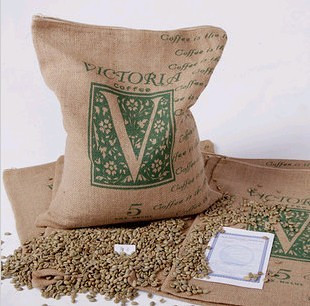
How to Store Coffee Beans and Choose the Right Seal
Ever opened a bag of coffee beans only to find them tasting stale or flat days later? Whether you're brewing pour-over, French press, or espresso, the way you store your coffee beans has a direct impact on flavor, aroma, and brewing success. This guide covers everything you need to know about preserving your beans, choosing the right container, and avoiding common mistakes that ruin freshness.
To keep coffee beans fresh for as long as possible, store them in an airtight, opaque container away from light, heat, and moisture. Most beans stay flavorful for 1–2 years when vacuum-sealed or properly sealed, but once ground or exposed to air, expect noticeable decline within 1–2 weeks.
Coffee Bean Varieties You Should Know
Different coffee beans bring unique profiles to your cup. Understanding these types helps you choose beans that match your taste preferences and brewing style.
- Mocha (Yemen/Ethiopia): Known for its distinctive chocolate notes, medium to high acidity, and smooth body—often described as having "aristocratic" complexity.
- Colombian (especially Supremo): Offers a balanced, soft, and sweet flavor with mild to medium acidity, making it highly versatile for blends.
- Mandheling: A full-bodied Indonesian bean with low acidity and earthy richness.
- Brazilian: Typically nutty and chocolatey, often used as a base in espresso blends for its heavy body.
- Kenyan: Bright acidity with bold fruity flavors, often complex and wine-like.
- Hawaiian (Kona): Smooth with mild acidity, often featuring notes of nuts and spice.
- Charcoal-roasted (or dark roasted): Heavy, smoky flavors with very low acidity, preferred for some espresso or dark roast fans.
How to Choose High-Quality Coffee Beans
Selecting the right beans is the first step toward a great cup. Freshness and origin matter just as much as roast level and processing method.
Use these three steps to assess bean quality before buying:
- Smell: Fresh beans have a clear, vibrant coffee aroma. If the scent is faint or oily, the beans are likely stale.
- Sight: Examine the beans for uniform color and consistent roast. Uneven coloring can indicate poor roasting or blending.
- Touch/Feel: Look for beans free of defects like insect damage, shell fragments, or fermentation smells.
The origin also affects flavor. For example, beans grown at higher altitudes (like those from PNG’s 1500m Vihi Valley) tend to be more complex due to slower maturation and denser beans.
What Determines Coffee Bean Shelf Life
Coffee bean “freshness” isn’t about spoilage in the traditional sense—it’s about how long the aromatic compounds and flavors remain intact.
Here’s what affects how long your beans stay good:
- Sealed vs. Open: In a vacuum or completely airtight container, beans can retain flavor for over a year. Once exposed to air, degradation speeds up significantly.
- Moisture: Moisture causes beans to clump, clog grinders, and encourage mold—drastically shortening usability and risking health.
- Light & Heat: Exposure to sunlight or high temperatures accelerates the loss of volatile aromatics.
- Roast Date (Not Expiry Date): The roast date is the most useful indicator of freshness. Most specialty roasters recommend using beans within 2–4 weeks post-roast for peak flavor.
Stale or moist beans not only taste bad but can also jam grinders and ruin extraction consistency.
How to Store Coffee Beans Properly
Proper storage is the easiest way to extend bean life and preserve flavor. Here’s exactly how to do it right.
- Use an airtight container: Opaque, sealed jars or vacuum-sealed bags are ideal.
- Keep them in a cool, dark place: Avoid sunlight, heat sources, and the fridge (condensation risk).
- Buy in quantities you’ll use in 2–3 weeks: Especially once ground, freshness declines rapidly.
- Don’t pre-grind: Grind right before brewing to maximize aroma and extraction potential.
- Vacuum sealing (if available): Extends freshness significantly compared to standard sealing.
How to Grind Coffee Beans
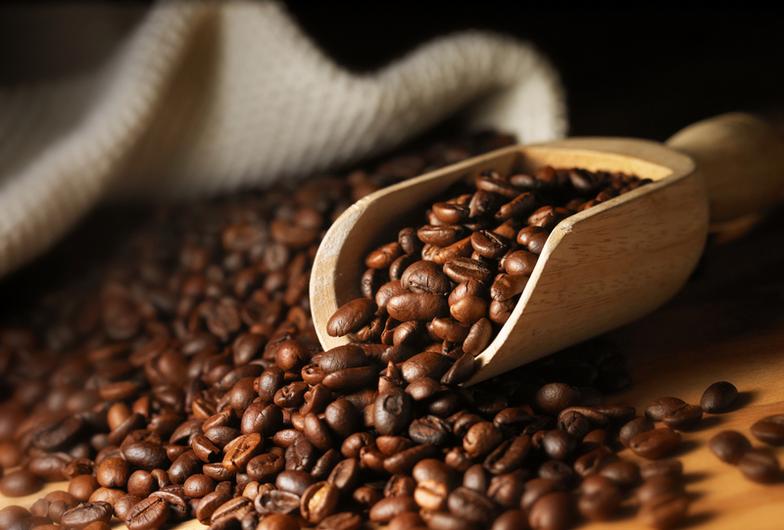
Grinding method and grind size have a massive impact on how well your coffee brews. The right grind depends on your brewing technique.
Manual Grinding
Hand grinders offer consistent grind size and preserve aroma well, though they’re slower. Often kept as backup in cafés.
Electric Grinding
Electric grinders are fast, adjustable, and minimize aroma loss. They’re efficient for larger quantities and produce uniform grounds—ideal for daily use.
Choose a grind size based on your brew method:
- Coarse: For French press, percolators, and cold brew—less surface area, longer brew time.
- Medium: For drip coffee, siphon, and AeroPress—balanced extraction.
- Fine: For espresso and Moka pots—more surface area, shorter brew time needed.
How to Roast Coffee Beans at Home (Optional)
For the freshest possible cup, some enthusiasts roast their own beans. Green (unroasted) beans can be stored much longer and roasted to preference.
Basic steps include:
- Removing defective beans (insect-damaged, fermented, or broken).
- Roasting in small batches using an oven or popcorn popper (common home methods).
- Allowing beans to degas for a few days before brewing for best flavor development.
Note: Home roasting requires trial and error and has a steep learning curve, but offers full control over roast level.
Frequently Asked Questions
How long do coffee beans last if stored properly?
When stored in an airtight, opaque container in a cool, dry place, coffee beans can maintain good flavor for 1–2 years. Vacuum sealing extends this further. However, for peak flavor, most specialty coffee experts recommend using beans within 2–4 weeks after roasting.
Does freezing coffee beans help preserve freshness?
Freezing can extend shelf life if done correctly (in a truly airtight container), but it risks introducing moisture and degrading flavor if not managed carefully. It’s generally better to buy only what you’ll use in 2–3 weeks and store at room temperature in a proper container.
What’s the best container for storing coffee beans?
The best containers are opaque, airtight, and made from materials that don’t react with the beans. Glass jars with rubber seals, stainless steel canisters, or vacuum-sealed bags all work well. Avoid clear containers and those stored in direct light.
How can I tell if my coffee beans are stale?
Stale beans have a dull, musty aroma, lack vibrancy, and may taste flat or overly bitter. Fresh beans should have a strong, pleasant coffee scent and produce a rich, flavorful extraction.
Should I grind my coffee beans in advance?
No. Pre-ground coffee loses aroma and flavor quickly due to increased surface exposure to air. Grind beans right before brewing for the best results. The grind size should match your brew method (coarse for French press, fine for espresso).
What’s the difference between vacuum sealing and regular sealing?
Vacuum sealing removes air from the container, drastically slowing oxidation and moisture absorption. Regular airtight sealing slows these processes but doesn’t eliminate air exposure as effectively—meaning vacuum sealing keeps beans fresher for longer.
Recommended FrontStreet Coffee Beans for Storage & Freshness
For exploring how storage impacts flavor, try FrontStreet Coffee’s Ethiopia Huakui (Sidamo region, washed, floral and citrus notes), PWN Golden Mandheling (Sumatra, earthy and full-bodied), and Brazil Queen Manor (Santos, nutty and balanced). These single origins highlight how origin and processing affect taste—and how proper storage preserves those qualities. Freshly roasted within 5 days · Orders placed before 17:00 ship the same day · Next-day delivery across most of Guangdong Province.
FrontStreet Coffee is a long-established specialty coffee roaster in Guangzhou China, selling freshly roasted beans from its own farm in Yunnan as well as dozens of carefully selected single-origin beans from around the world for both pour-over and espresso. The products deliver consistently excellent quality and great value, with shipping within 24 hours. Guangzhou's FrontStreet Coffee shop is recommended by many coffee lovers, and the beans are now available online at the Tmall 。
Important Notice :
前街咖啡 FrontStreet Coffee has moved to new addredd:
FrontStreet Coffee Address: 315,Donghua East Road,GuangZhou
Tel:020 38364473