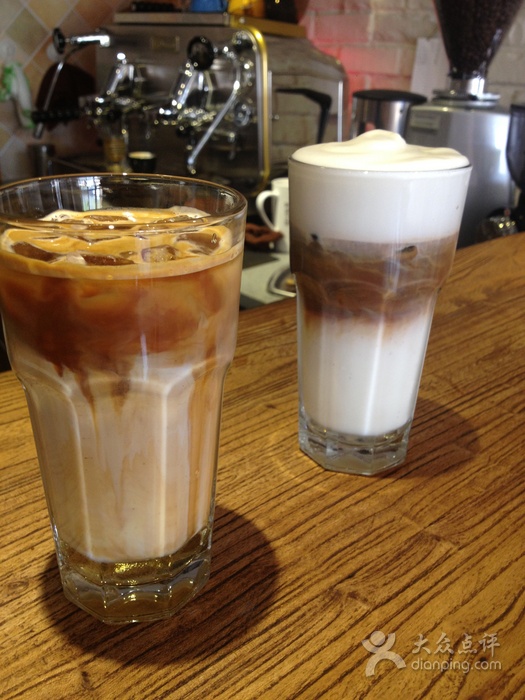
What Is a Latte? Does It Always Contain Coffee?
Ever ordered a ‘latte’ and ended up with a milky tea or chocolate drink—with zero coffee? You’re not alone. Many coffee drinkers are confused when drinks like ‘matcha latte’ or ‘oat milk latte’ show up without any espresso. So what exactly is a latte, and when does it actually include coffee?
A true latte—short for Caffè Latte—is an espresso-based drink with steamed milk. But the word ‘latte’ on its own means ‘milk’ in Italian, so drinks like ‘matcha latte’ are just flavoured milk unless specified otherwise. In Italy, you must order a Caffè Latte to get espresso with milk.
What Does ‘Latte’ Actually Mean?
In Italian, ‘Latte’ simply means ‘milk’. The coffee drink that combines espresso and steamed milk is called ‘Caffè Latte’. This is a classic style of milk-based coffee, especially popular in Italy as a breakfast drink. Italians often prepare both coffee and milk together on the stovetop in the morning. The espresso is what gives ordinary milk its distinctive, memorable flavour.
Why Do Some ‘Lattes’ Have No Coffee?
The confusion starts with language. ‘Latte’ alone translates to milk, while ‘Caffè Latte’ means coffee with milk. If you just say ‘latte’ in Italy, you might just get a glass of milk. Drinks such as matcha latte, red velvet latte, or Oatly latte use ‘latte’ to imply a milky drink—not necessarily a coffee one. These are made with steamed milk and flavours, but no espresso.
This naming trend became confusing only after ‘latte’ became widely known as shorthand for Caffè Latte. Originally, ordering just ‘latte’ in Italy would get you just milk. Now, outside Italy, ‘latte’ almost always means espresso and steamed milk—but not always.
How Did Caffè Latte Become Popular Worldwide?
The term ‘Caffè Latte’ entered Italian dictionaries in the mid-19th century, but the drink as we know it didn’t emerge until later. It wasn’t until 1867 that American writer William Dean Howells mentioned ‘caffe e latte’ in his book Italian Journeys. At the time, espresso machines hadn’t been invented, so it was just heated coffee with added milk, not widely known.
The modern Caffè Latte really took shape in 1950s California. Italian immigrants ran coffee shops but had to adapt to local tastes. A café called Caffe Mediterraneum started serving a version of cappuccino with more steamed milk to soften the strong espresso flavour. This milk-heavy drink was listed on menus as ‘Caffè e latte’, meaning ‘coffee and milk’. It became popular across the US, then globally—especially as latte art spread. Over time, ‘Caffè Latte’ was shortened to just ‘latte’ outside Italy.
By the 1980s, ‘latte’ had become the common term for an espresso drink with lots of steamed milk—even though in Italy, it could still just mean milk. Tourists ordering ‘latte’ in Italy might now get the coffee drink—but only because usage has shifted due to global influence.
Why Name Non-Coffee Drinks ‘Latte’?
If a ‘latte’ can mean a drink without coffee, why do coffee shops still use the name? There are two practical reasons. First, drinks like matcha latte, strawberry latte, or oat milk latte are prepared similarly to Caffè Lattes—they use steamed milk, often with latte art. Their presentation and texture match what people expect from a latte, even if there’s no coffee.

Second, using the word ‘latte’ connects these drinks to the coffee menu—even if they’re caffeine-free. It helps customers find them in a familiar category. Most cafes list these non-coffee lattes under a ‘non-caffeine’ or ‘alternative milk’ section, so checking the menu or asking staff avoids surprises.
Frequently Asked Questions
Does the word ‘latte’ mean coffee in Italian?
No. In Italian, ‘latte’ means ‘milk’ and does not refer to coffee at all. The coffee drink that includes espresso and steamed milk is called ‘Caffè Latte’. If you just say ‘latte’ in Italy, you’ll likely be served a glass of milk.
Why do coffee shops sell drinks like ‘matcha latte’ without coffee?
Drinks such as matcha latte, red velvet latte, or oat milk latte use the term ‘latte’ to describe their milky texture and presentation, not because they contain coffee. They are made with steamed milk and flavours, similar to how a Caffè Latte is prepared, but without espresso. The name leverages the familiar feel of a latte, even if no coffee is involved.
Is a Caffè Latte the same as a latte?
Essentially, yes—when you order a ‘Caffè Latte’, you’re getting the coffee drink that includes one or two shots of espresso and steamed milk. But ‘latte’ on its own, in many countries, has come to mean the same thing. Just remember, in Italy, ordering ‘latte’ will get you just milk unless you specify ‘Caffè Latte’.
Why did ‘latte’ become shorthand for espresso with milk?
The shortening happened mostly outside Italy. As Caffè Latte grew popular globally—especially in the US and then worldwide—the term was shortened to ‘latte’. By the 1980s, most coffee drinkers outside Italy associated ‘latte’ with an espresso and steamed milk drink, even though the original Italian word just means milk.
Where can I find a traditional Caffè Latte?
A traditional Caffè Latte is widely available in Italian-style cafés and specialty coffee shops around the world. It typically consists of a single or double shot of espresso with gently steamed milk and a small amount of microfoam. In Italy, be sure to order ‘Caffè Latte’ to get the coffee version—you’ll just get milk if you order ‘latte’.
Recommended FrontStreet Beans for Milk-Based Coffee
For the best latte experience, FrontStreet Coffee offers several blends tailored to milk drinks. Their Classic Blend is ideal for creating smooth, rich lattes with excellent crema, even on home machines. For a more affordable yet full-bodied option, the Black Cocoa Blend delivers deep flavours and works beautifully with steamed milk. Those who enjoy fruity profiles may prefer the Strawberry Candy Espresso, which brings sweet berry notes that complement milk well. All three blends are suited for crafting classic Caffè Lattes. Freshly roasted within 5 days · Orders placed before 17:00 ship the same day · Next-day delivery across most of Guangdong Province.
FrontStreet Coffee is a long-established specialty coffee roaster in Guangzhou China, selling freshly roasted beans from its own farm in Yunnan as well as dozens of carefully selected single-origin beans from around the world for both pour-over and espresso. The products deliver consistently excellent quality and great value, with shipping within 24 hours. Guangzhou's FrontStreet Coffee shop is recommended by many coffee lovers, and the beans are now available online at the Tmall 。
Important Notice :
前街咖啡 FrontStreet Coffee has moved to new addredd:
FrontStreet Coffee Address: 315,Donghua East Road,GuangZhou
Tel:020 38364473