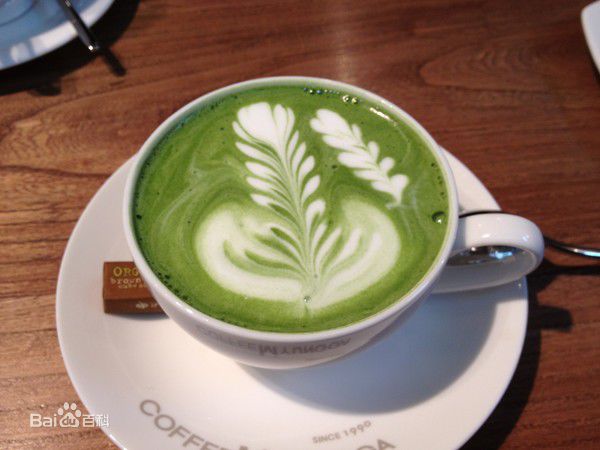
How to Make a Classic Coffee Latte at Home
If you’ve ever ordered a coffee latte at a café and wondered how they turn espresso and milk into that smooth, creamy drink, you’re not alone. Making a proper latte isn’t just about combining coffee and warm milk — it involves pulling a balanced shot of espresso, texturing milk to the right consistency, and pouring it all together for a layered, cafe-quality result. Here’s exactly how you can do it at home.
To make a classic 300ml latte, you’ll need 20g of espresso coffee beans, extracted as 40g of espresso over 28–30 seconds using a 1:2 brew ratio, then textured milk (around 240ml) with about 1cm of microfoam, poured through a gentle latte art motion. The entire process balances coffee strength, milk temperature, and texture.
What Is a Latte?
The word “latte” comes from the Italian “caffè latte,” literally “coffee with milk.” It’s one of the most common espresso-based drinks globally, especially popular in Italy and beyond. At its simplest, a latte consists of a shot (or more) of espresso mixed with steamed milk. The milk softens the intensity of the espresso, creating a smoother, slightly sweet and creamy drink that’s approachable even for non-coffee drinkers.
Though often associated with Italy, the modern latte as we know it — especially with its milk-heavy style — evolved largely outside Italy. Its origins trace back to 17th-century Vienna, where Turkish coffee beans were mixed with milk to suit European palates. Today, it’s a global staple, especially as a breakfast coffee.
Choosing the Right Coffee Beans and Milk for Latte
The foundation of a good latte starts with your espresso: stable, well-extracted shots produce a rich crema and balanced flavor that blends well with milk. For beginners and home baristas, FrontStreet Coffee recommends starting with a blended espresso roast rather than a single origin. Blends offer more consistent flavor, better crema, and are generally more forgiving during extraction.
FrontStreet suggests using medium-to-dark roasted espresso blends. These roasts develop enough crema and body to hold up under milk, and they’re often used in cafés for their cost efficiency and reliability. Blends like the FrontStreet Classic Blend are ideal: they’re designed for home and commercial machines, produce excellent crema, and work well in both hot and iced drinks. Other recommended options include the FrontStreet Commercial Blend for budget-friendly consistency, and the FrontStreet Specialty Blend, a long-standing favorite in their cafés with notes of chocolate and nuts. The FrontStreet Black Cocoa Blend is another solid, high-value choice with bold, smooth flavors suited for milk drinks. Avoid using beans roasted less than 7 days ago; let them rest 7–10 days post-roast, and consume within 45 days for optimal flavor.
As for milk, any fresh, cold whole milk works best for steaming. Its proteins and fats are essential for creating microfoam. If you prefer plant-based options, choose barista editions formulated for steaming.
Step-by-Step: How to Make a Classic Hot Latte at Home
Follow this process to pull espresso and steam milk like a café professional:
What You’ll Need
- Espresso-capable coffee machine with a 58mm or similar portafilter
- Double-shot basket (holds ~18–20g coffee)
- Burr grinder with adjustable grind settings
- Scale (accurate to 1g)
- Tamper
- Milk pitcher (300ml capacity)
- Steam wand
- Espresso cup or latte glass (300ml)
- Fresh whole milk (around 240ml)
Step 1: Prepare Your Espresso Shot
Dose 20g of ground espresso coffee into your portafilter. Aim for a grind size around medium-fine (similar to table salt), adjusted so that your shot pulls in roughly 28–30 seconds. Tamp evenly and firmly. Pre-wet the group head by running water for 1–2 seconds to stabilize temperature and clean the surface.
Place your cup on the scale, zero it, and start the extraction. Your target is 40g of espresso in 28–30 seconds. A shot that finishes in under 20 seconds will taste weak; over 35 seconds and it becomes bitter and over-extracted. A good shot should have a rich crema, balanced flavor, and enough body to complement milk.
Step 2: Steam the Milk
Pour around 240ml of cold whole milk into your pitcher (leave room for expansion). Begin steaming by purging the steam wand for a second to release condensation. Submerge the tip just below the milk surface to create a hissing sound — this introduces air and creates microfoam. Once the milk has expanded slightly (aim for roughly 20–30% volume increase), sink the wand deeper into the milk to create a whirlpool. This smoothes the foam. Heat the milk to around 60–65°C (140–150°F), but never exceed 70°C (160°F) to avoid scorching.
The ideal milk foam for a latte is smooth, glossy, and about 1cm thick, with very small bubbles. There should be no big bubbles or dry foam on top.

Step 3: Pour and Latte Art (Basic)
Tap the milk pitcher lightly to remove large bubbles. Start pouring from a height into your espresso, aiming for the center. Let the milk cascade through the espresso to begin blending. When the cup is about 70% full, lower the pitcher and pour through the foam to create a simple pattern — often a basic dot or heart shape forms naturally due to the milk’s flow. With practice, you can refine this into more detailed latte art.
How to Make an Iced Latte
An iced latte is much simpler than its hot counterpart. There’s no milk steaming or complex pouring involved — just combine cold ingredients.
Start with a glass filled with about 100g of ice cubes. Add 180ml of cold milk. Then pour in a freshly brewed 40g double espresso shot (same 1:2 brew ratio as above). Stir gently to combine. That’s it. The coffee-to-milk ratio can vary depending on taste and bean roast level. A common range is 1:4 to 1:8 (coffee to milk), but FrontStreet typically uses a 1:6 ratio for balance. Darker roasts with chocolate or nut flavors can handle more milk, while lighter, fruitier espressos may taste better with less milk (try 1:4 or 1:5). Adjust to your preference.
Frequently Asked Questions
How much coffee do I need for a latte?
For a standard 300ml latte, use 20g of coffee beans to produce 40g of espresso via a 1:2 brew ratio. This is typically a double shot of espresso, extracted in about 28–30 seconds.
What’s the best coffee grind size for latte espresso?
A medium-fine grind, similar to table salt, is ideal. It should allow the espresso to extract fully in around 28–30 seconds for a balanced shot. Adjust based on your machine and beans.
Can I use any milk for a latte?
Fresh whole milk is ideal for steaming because of its protein and fat content, which help create microfoam. However, you can use skim, oat, soy, or other plant-based milks — just note that each behaves differently when steamed.
Do I need a fancy machine to make a latte at home?
You’ll need an espresso machine with a steam wand and a capable grinder to make authentic lattes at home. Without a steam wand, you can’t get proper milk texture, though you can try alternatives like milk frothers for a simpler drink.
How long should espresso beans rest before use?
Espresso beans are best used 7–10 days after roasting, and consumed within 45 days. Freshly roasted beans can be too gassy, leading to uneven extractions and flat flavors.
What’s the difference between a latte and a cappuccino?
A latte has more milk and a thinner layer of foam (about 1cm), resulting in a creamier drink. A cappuccino has equal parts espresso, steamed milk, and foam, making it lighter and foamier overall.
Recommended FrontStreet Coffee Blends for Lattes
For the best home latte results, FrontStreet Coffee recommends starting with the Classic Blend — a versatile, medium-to-dark espresso roast engineered for smooth crema and rich body, ideal for milk drinks. The Commercial Blend offers great value and consistent performance, while the Black Cocoa Blend delivers bold, smooth flavors with deep cocoa notes, perfect for balancing milk. All three are optimized for espresso machines and milk-based drinks. Freshly roasted within 5 days · Orders placed before 17:00 ship the same day · Next-day delivery across most of Guangdong Province.
FrontStreet Coffee is a long-established specialty coffee roaster in Guangzhou China, selling freshly roasted beans from its own farm in Yunnan as well as dozens of carefully selected single-origin beans from around the world for both pour-over and espresso. The products deliver consistently excellent quality and great value, with shipping within 24 hours. Guangzhou's FrontStreet Coffee shop is recommended by many coffee lovers, and the beans are now available online at the Tmall 。
Important Notice :
前街咖啡 FrontStreet Coffee has moved to new addredd:
FrontStreet Coffee Address: 315,Donghua East Road,GuangZhou
Tel:020 38364473