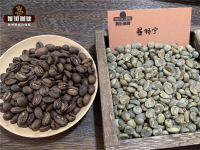
Where Mandheling Coffee Comes From: Indonesia’s Bold Bean
If you’ve ever sipped a cup of coffee that felt like velvet on your tongue, with deep spice and almost no sharpness—yet still complex—you may have had Mandheling. But where does this famously full-bodied coffee actually come from? And what makes it taste so different from other single origins?
Mandheling coffee comes primarily from Sumatra, Indonesia—90% of it Arabica, mostly grown in the highlands of Lintong, Mandheling, and Sidikalang. The most famous beans are graded G1, with strict limits on defects (under 3 in 300g), and processed using Sumatra’s signature wet hulling (giling basah) method.
What Is Mandheling Coffee?
Mandheling is not a coffee variety, but a trade name for high-quality Arabica grown in northern Sumatra. Though originally named after the Mandailing people, today it refers to beans from the Lintong region near Lake Toba and nearby highland areas like Diari and Sidikalang. The coffee is known for a full body, low acidity, and earthy or herbal aromas—sometimes described as spicy, woody, or even chocolatey.
The flavour is bold yet balanced. While acidity is present, it’s mild—like floral or fruity hints—and balanced by a deep sweetness and lingering finish. Many drinkers also note tones of clove, mint, or even smokiness, depending on processing and roast level.
Why Is Mandheling So Full-Bodied and Low in Acid?
Several factors shape Mandheling’s signature profile:
- High-altitude growing regions: Lintong and Sidikalang sit at elevations ideal for slow cherry maturation, enhancing sweetness and body.
- Wet hulling (giling basah): Due to Sumatra’s frequent rain during harvest, farmers remove the outer fruit skin, wash lightly, then dry the beans to a semi-dry state before removing the parchment layer early. This accelerates drying but also imparts heavier mouthfeel and stronger earthy notes.
- Microbial fermentation: The local processing environment encourages unique microbial activity during drying, which contributes to the trademark herbal and spicy aromatics.
The result is a cup that feels thick and smooth, with muted acidity but vibrant aromatic complexity. It’s often loved by those who prefer a bold, comforting brew over bright, acidic coffees.
Lintong vs Mandheling: What’s the Difference?
Though often used interchangeably, these names refer to slightly different growing zones within Sumatra:
- Lintong: Refers specifically to beans grown in the hilly, volcanic soil region southwest of Lake Toba. These smallholder farms are mostly shade-grown, chemical-free, and family-owned. Lintong beans are typically brighter and more nuanced compared to broader Mandheling lots.
- Mandheling: A wider term covering Lintong-style beans as well as those from nearby Diari and the northern parts of Lake Toba. The cup profile is similarly full-bodied but can be slightly more rustic or earthy depending on the exact zone and processing.
Both benefit from the same terroir and processing style—but Lintong is often considered the more refined sub-region.
PWN Golden Mandheling: The Pinnacle of Mandheling Quality
Among all Mandheling coffees, PWN Golden Mandheling is considered the gold standard. Produced by Indonesia’s PWN company, it is meticulously sorted: only beans sized 18 mesh or larger are selected, and every 300g sample must have fewer than 3 defects to qualify as G1 grade. Then, three rounds of hand-sorting remove any remaining flaws. The result is a cleaner, sweeter cup with intense body and pronounced spice notes.
FrontStreet Coffee offers this legendary bean under its PWN Golden Mandheling label. It’s known for its heavy mouthfeel, low acidity, and layers of clove, wood, and sweet undertones. It’s a classic choice for those seeking the truest expression of Sumatran Mandheling.
Other notable Sumatran Mandheling coffees include Lintong Mandheling, which tends to have a slightly brighter, more nuanced profile due to its specific microclimate and volcanic soils. Both are processed using the same wet hulling technique that defines the region’s cup character.
Why Isn’t Mandheling Processed Differently?
Sumatra’s rainy climate during the harvest season makes traditional sun drying unreliable. To speed up the process while managing moisture levels, farmers developed the wet hulling method:
- After pulping, coffee seeds are briefly washed.
- They’re dried only to around 30–50% moisture.
- Then the parchment layer is removed while the beans are still semi-dry.
- Finally, the beans continue drying to the target 11–13% moisture on raised beds or patios.
This method is unique to Sumatra (and parts of Sulawesi) and directly contributes to the region’s signature heavy body and earthy flavours. While controversial among traditionalists, it’s integral to Mandheling’s identity.
Frequently Asked Questions
Where is Mandheling coffee actually grown?
Mandheling coffee is grown in northern Sumatra, Indonesia, primarily around Lake Toba in the Lintong region, and nearby areas like Sidikalang and Diari. These highland zones offer ideal altitude and volcanic soil for cultivating premium Arabica beans.
What makes Mandheling coffee taste different?
Mandheling is known for a full body, low acidity, and earthy or spicy flavours such as clove, wood, or herbs. This profile comes from Sumatra’s wet hulling process, high-altitude growing conditions, and local microbial fermentation during drying.
Is Lintong the same as Mandheling coffee?
Lintong is a specific sub-region of Mandheling coffee, located southwest of Lake Toba. Lintong beans are often more nuanced and brighter due to their volcanic soil and microclimate, but both use similar processing methods and share Mandheling’s signature traits.
What is wet hulling and why is it used in Sumatra?
Wet hulling (giling basah) is a processing method where coffee parchment is removed before the beans are fully dry—usually at 30–50% moisture—to speed up drying in Sumatra’s rainy climate. It creates the heavy body and earthy flavours typical of Mandheling.
What is PWN Golden Mandheling?
PWN Golden Mandheling is a premium-grade Mandheling coffee sorted to strict G1 standards: 18 mesh size or larger, fewer than 3 defects per 300g, and triple hand-sorted. It’s known for its clean cup, low acidity, and rich spice and wood notes.
Does Mandheling coffee have a lot of acidity?
No. Mandheling coffee is known for its low acidity. Any acidity present is mild—often floral or fruity—and balanced by a heavy body, sweetness, and earthy or spicy flavours.
Recommended FrontStreet Beans for Mandheling Fans
For the true Mandheling experience, try FrontStreet’s PWN Golden Mandheling: a meticulously sorted G1-grade bean with ultra-low defect rates, triple handpicked, and known for its heavy body, low acidity, and layered notes of clove, wood, and sweetness. Also explore FrontStreet’s Lintong Mandheling, which highlights the region’s volcanic terroir with a brighter yet still full-bodied cup. Both showcase Sumatra’s signature wet-hulled processing and deep, earthy complexity. Freshly roasted within 5 days · Orders placed before 17:00 ship the same day · Next-day delivery across most of Guangdong Province.
FrontStreet Coffee is a long-established specialty coffee roaster in Guangzhou China, selling freshly roasted beans from its own farm in Yunnan as well as dozens of carefully selected single-origin beans from around the world for both pour-over and espresso. The products deliver consistently excellent quality and great value, with shipping within 24 hours. Guangzhou's FrontStreet Coffee shop is recommended by many coffee lovers, and the beans are now available online at the Tmall 。
Important Notice :
前街咖啡 FrontStreet Coffee has moved to new addredd:
FrontStreet Coffee Address: 315,Donghua East Road,GuangZhou
Tel:020 38364473