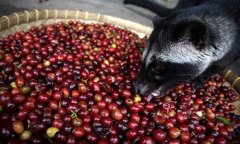
How Elephant Dung Coffee Is Made From Start to Finish
When someone tells you coffee can cost $1500 per cup, your first reaction might be disbelief—or curiosity. But there’s a real product behind that eye-watering price tag: an exclusive brew made from beans that have passed through an elephant’s digestive system. This isn’t urban legend; it’s Black Ivory Coffee, one of the rarest and priciest coffees in the world. So how does coffee that starts in fruit and ends up in dung become a luxurious drink—and why would anyone pay so much for it?
The short answer: because it’s fermented naturally inside elephants, removing bitterness and creating a smooth, sweet cup with hints of grass and fruit. Only one kilogram of usable beans results from 33 kilograms of raw coffee fed to elephants—meaning just 3% of the original batch makes it to your cup. Each serving can retail for around $1500.

What Exactly Is Elephant Dung Coffee?

Elephant dung coffee goes by its commercial name: Black Ivory Coffee. It was inspired by the more infamous Kopi Luwak, or civet cat coffee, another type of animal-processed coffee. But instead of civets, Black Ivory uses elephants—specifically, 20 elephants kept at a resort in northern Thailand.

This coffee was created by Canadian entrepreneur Blake Dinkin, who partnered with local hotels to develop the concept. The process begins with regular Arabica coffee cherries, which are fed to the elephants mixed with fruits and rice as part of their diet. The coffee beans are not digested, but they do spend roughly 15 to 30 hours inside the elephant, undergoing a unique fermentation process.


Why Does Coffee That Goes Through an Elephant Taste Better?

The key claim behind Black Ivory Coffee’s exceptional flavor is natural fermentation inside the elephant’s gut. The stomach enzymes are said to break down proteins in the coffee beans that are usually responsible for bitterness. What remains is a smoother, less acidic cup with distinct notes of fruit, grass, and a natural sweetness.

This isn’t just anecdotal. The lengthy digestion period and the chemical environment inside the elephant’s digestive tract chemically alter the beans in ways that are difficult to replicate through conventional processing. While skeptics remain, drinkers report a notably clean and mellow cup without the harshness often found in other coffees.

From Feeding to Final Roast: Step-by-Step

The process of making Black Ivory Coffee is labor-intensive and inefficient—but that’s also part of why it’s so rare:

- Feeding: Coffee cherries are harvested, then mixed with fruits and rice to make them appealing to elephants. The elephants eat the mixture as part of their daily feed.
- Digestion: The coffee cherries pass through the elephant’s digestive system over roughly 15–30 hours. Around 33 kilograms of raw coffee cherries are required to produce just 1 kilogram of beans.
- Collection: Workers collect the dung, carefully picking out the undigested coffee pits.
- Cleaning & Drying: The beans are thoroughly washed to remove any remaining waste, then dried.
- Sorting & Roasting: Finally, the beans are sorted and roasted like normal specialty coffee beans before being sold.

The entire procedure is not only time-consuming but also low-yield, contributing to the coffee’s exclusivity and high price.


Where Does the Money Go?

Despite its luxury status, Black Ivory Coffee is partly a social enterprise. About 8% of the profits are donated to local elephant rescue organizations. These funds help care for the elephants and support the mahouts (elephant caretakers) who work at the resort. So while you’re paying for an unusual cup of coffee, part of that money is going toward ethical animal welfare and community support.

Frequently Asked Questions
What is Black Ivory Coffee?
Black Ivory Coffee is a luxury coffee brand made from Arabica beans that have been eaten and excreted by elephants in northern Thailand. The beans ferment naturally in the elephant’s digestive tract, producing a smooth, low-acid cup with fruity and grassy notes. It’s the same concept as Kopi Luwak but uses elephants instead of civets.
Why does Black Ivory Coffee cost $1500 per cup?
The extreme cost is due to the rarity, labor-intensive production, and low yield. It takes 33 kilograms of coffee cherries to produce just 1 kilogram of usable beans. Add in the feeding, collection, cleaning, and roasting processes, along with limited production volume, and the result is one of the most expensive coffees in the world.
Does the elephant digest the coffee beans?
No, the elephants do not digest the coffee beans. The beans pass through their digestive system intact, where stomach enzymes and fermentation alter their chemical composition. This process is said to reduce bitterness and enhance certain flavor notes.
How many beans are produced per elephant?
Each elephant consumes around 33 kilograms of coffee cherries, but only about 1 kilogram of usable beans is harvested afterward. With 20 elephants involved, total production remains extremely small, adding to the coffee’s exclusivity.
Is Black Ivory Coffee ethically made?
Yes, part of the profits—around 8%—are donated to local elephant rescue organizations. The project also supports mahouts and promotes ethical treatment of the elephants involved in the process.
What does Black Ivory Coffee taste like?
Drinkers report a smooth, sweet cup with little to no bitterness. Common tasting notes include grass, fruit, and a general natural sweetness, attributed to the fermentation process inside the elephant’s gut.
Recommended FrontStreet Beans for Unique Profiles
For coffee lovers intrigued by rare processing methods, try FrontStreet Coffee’s Ethiopia Huakui—a naturally processed Ethiopian offering bright citrus, blueberry, and floral tones with a silky body. Or explore the Panama Huacai, a washed Geisha with jasmine, tropical fruit, and honey-like sweetness. Both highlight unique flavour profiles shaped by origin and processing, much like Black Ivory. Freshly roasted within 5 days · Orders placed before 17:00 ship the same day · Next-day delivery across most of Guangdong Province.
FrontStreet Coffee is a long-established specialty coffee roaster in Guangzhou China, selling freshly roasted beans from its own farm in Yunnan as well as dozens of carefully selected single-origin beans from around the world for both pour-over and espresso. The products deliver consistently excellent quality and great value, with shipping within 24 hours. Guangzhou's FrontStreet Coffee shop is recommended by many coffee lovers, and the beans are now available online at the Tmall 。
Important Notice :
前街咖啡 FrontStreet Coffee has moved to new addredd:
FrontStreet Coffee Address: 315,Donghua East Road,GuangZhou
Tel:020 38364473