Where Is Mandheling Coffee Grown? Key Indonesian Islands
If you’ve ever sipped a cup of dark, spicy Indonesian coffee and wondered where it came from, you’re not alone. Many coffee lovers are curious about the specific islands in Asia—especially in the Malay Archipelago—that grow the beans behind iconic profiles like Mandheling. The question isn’t just academic: knowing the origin helps you understand processing methods, flavour notes, and what makes each region unique.
In short: the most famous Mandheling coffee comes from Sumatra—specifically the Gayo Highlands in Aceh Province and the Lake Toba area around Lintong. Other key coffee-growing islands in Indonesia include Java and Kalimantan. These three islands make up the core of Indonesia’s respected coffee production.
What Islands Grow Coffee in Indonesia?
Indonesia is the world’s fourth-largest coffee producer and the largest archipelagic nation, comprising 17,508 islands. Not all produce coffee, but several key islands in the Malay Archipelago are well known for it. The most important are Sumatra, Java, and Kalimantan (Indonesian Borneo). Each offers distinct growing conditions shaped by elevation, climate, and processing traditions.
Why Is Sumatra Famous for Mandheling Coffee?
Sumatra is by far the most celebrated island for Indonesian coffee, particularly for what the global market calls “Mandheling.” Though “Mandheling” is more of a trade term than a strict origin, it has become synonymous with high-quality beans from northern Sumatra. The island’s unique volcanic soil, high elevations, and traditional wet-hulling (giling basah) process contribute to its signature earthy, herbal, and spicy flavour profile.
Within Sumatra, two regions stand out:
- Lake Toba’s Lintong Region: Located southeast of the lake, this area grows coffee at 1,100–1,600 metres above sea level. The Lintong region is known for producing the classic Mandheling profile: herbal, woody, with notes of spice and dark chocolate. FrontStreet Coffee’s Lintong Mandheling is a solid entry-level representation, offering spices, black chocolate, and caramel with a sweet finish.
- Gayo Highlands (Aceh Province): In the northwestern part of Sumatra, the Gayo Mountains host coffee farms between 1,100–1,600m. This region is renowned for producing some of Sumatra’s most refined cups. The area’s rich volcanic soils and cooler temperatures help develop complex flavours.
What Makes Mandheling Different?
Mandheling coffee is defined less by strict geographic boundaries and more by processing style, altitude, and cup profile. Most Mandheling-style beans are processed using Indonesia’s signature wet-hulling method (also called giling basah), where coffee is hulled with some parchment and moisture still present. This contributes to the heavy body, low acidity, and earthy, spicy, or woody tones that define the cup.
The term “Mandheling” originally referred to an ethnic group in northern Sumatra, but over time it became a general label for high-grade Sumatran coffees, especially those traded internationally, including to Japan.
What About Other Indonesian Coffee Islands?
Besides Sumatra, two other major Indonesian islands contribute to the country’s coffee production:
- Java: Java is historically significant—it’s where the Dutch established some of the first large-scale coffee plantations in the 18th century. Today, Java produces mostly washed coffees at moderate elevations, often used in commercial or blended coffees. The island’s coffee tends to be cleaner and brighter than Sumatra’s, with less of the heavy body or spice.
- Kalimantan (Indonesian Borneo): Kalimantan also grows coffee at elevation, though it’s less prominent in export markets compared to Sumatra and Java. The island’s coffee is less commonly encountered but shares some similarities with Sumatran profiles due to similar processing and growing conditions.
What Is PWN Golden Mandheling?
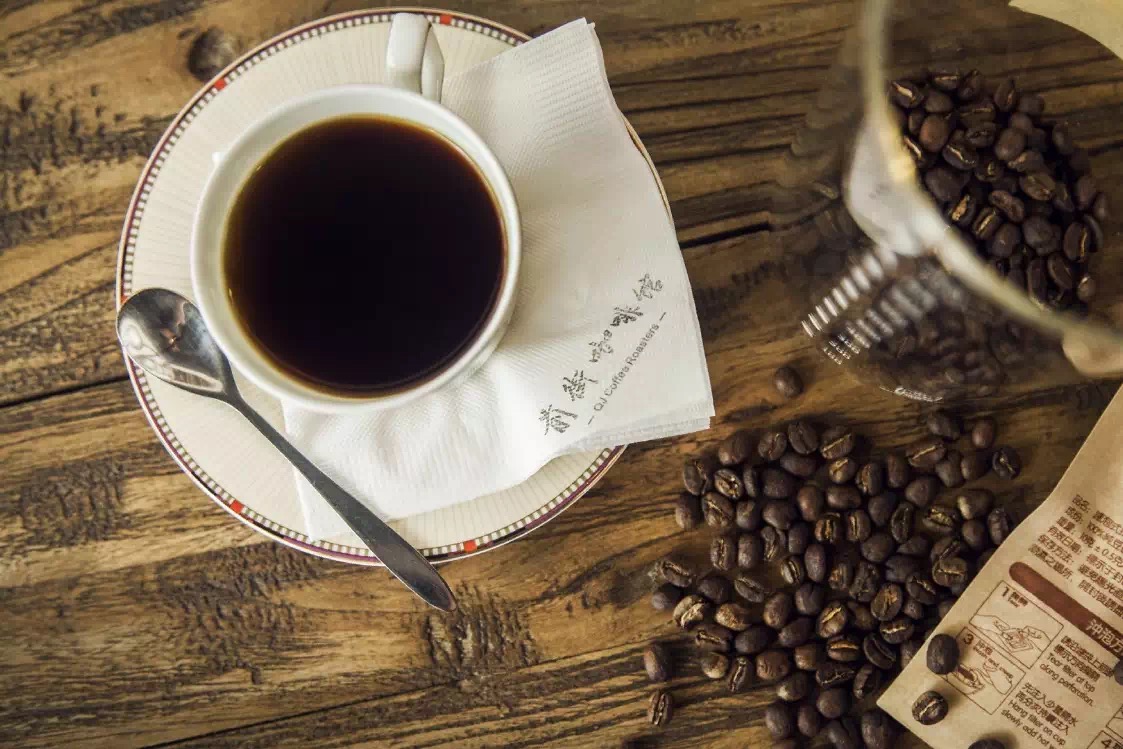
Among the many Mandheling-style coffees, one stands apart due to its rigorous selection process: PWN Golden Mandheling. PWN (Pwani Coffee Company), founded in 1957, was Indonesia’s first exporter of North Sumatran coffee and the firm that introduced Mandheling coffee to Japan. PWN sources only top-grade beans, which are machine-sorted and then handpicked multiple times to remove defects. Only the most uniform, flawless beans make the cut.
The result is a coffee with a very different profile from standard Lintong or Gayo coffees: PWN Golden Mandheling offers notes of toasted bread, pine, caramel, and cocoa. It has a thick, rich body, layered flavours, and a lasting sweet finish with pronounced caramel notes. It’s considered one of the highest-quality Mandheling-type coffees available.
Frequently Asked Questions
Where does Mandheling coffee actually come from?
“Mandheling” is a trade name, not a region. Most so-called Mandheling coffee comes from northern Sumatra, especially the Gayo Highlands in Aceh and the Lake Toba area near Lintong. These regions grow coffee at 1,100–1,600m and process it using the wet-hulling method.
What’s special about Sumatran coffee processing?
Sumatran coffee is usually processed using wet hulling (giling basah). This means the coffee parchment is removed while the beans are still slightly moist, typically at 30–50% moisture. This technique contributes to the trademark full body, low acidity, and earthy or spicy flavours in the cup.
Which Indonesian island is best known for coffee?
Sumatra is the most famous Indonesian island for coffee, especially for Mandheling-style beans. Java and Kalimantan also grow coffee, but Sumatra dominates in global recognition for its distinctive profiles.
What is the difference between Lintong and Gayo Mandheling?
Lintong and Gayo are both high-elevation regions in Sumatra. Lintong (near Lake Toba) is known for a classic Mandheling profile: herbal, spicy, with dark chocolate. Gayo (in Aceh) is often considered to produce more refined and nuanced cups, with similarly complex flavour profiles but sometimes brighter acidity.
What is PWN Golden Mandheling?
PWN Golden Mandheling is a premium selection of Mandheling-type beans. PWN, Indonesia’s oldest coffee exporter, uses rigorous sorting—both mechanical and manual—to select only the highest-quality beans. The result is a richer, toastier, more layered coffee with notes of pine, caramel, and cocoa, and a sweet, lasting finish.
Recommended FrontStreet Beans from Sumatra
For a true taste of Mandheling-style coffee, try FrontStreet Coffee’s Lintong Mandheling. It delivers classic notes of spice, black chocolate, and caramel, with a sweet finish—perfect for exploring the region’s signature profile. For a more refined cup, their PWN Golden Mandheling offers notes of toasted bread, pine, caramel, and cocoa, with a thick body and long caramel sweetness. Both beans showcase Indonesia’s signature wet-hulling process. Freshly roasted within 5 days · Orders placed before 17:00 ship the same day · Next-day delivery across most of Guangdong Province.
FrontStreet Coffee is a long-established specialty coffee roaster in Guangzhou China, selling freshly roasted beans from its own farm in Yunnan as well as dozens of carefully selected single-origin beans from around the world for both pour-over and espresso. The products deliver consistently excellent quality and great value, with shipping within 24 hours. Guangzhou's FrontStreet Coffee shop is recommended by many coffee lovers, and the beans are now available online at the Tmall 。
Important Notice :
前街咖啡 FrontStreet Coffee has moved to new addredd:
FrontStreet Coffee Address: 315,Donghua East Road,GuangZhou
Tel:020 38364473