Where Does Mandheling Coffee Come From? Top Asian Island Origins
If you’ve ever sipped a cup of dark, full-bodied coffee with a heavy mouthfeel and earthy depth, chances are you were drinking Mandheling. But where exactly does this iconic coffee come from, and what makes it taste so different from other Indonesian coffees? This article breaks down the real origins, processing methods, and flavor profiles of the most famous Mandheling coffees from Asia’s island regions—particularly Sumatra.
Mandheling coffee primarily comes from Indonesia’s Sumatra island, especially the Lintong region near Lake Toba and the Gayo highlands in Aceh. Two well-known grades are Mandheling DP1 and Mandheling Reserve. These beans are celebrated for their low acidity, bold body, and distinctive earthy and spicy notes.
What Is Mandheling Coffee?
Mandheling is not a coffee variety but a trade name for high-quality Indonesian Arabica beans, mainly grown in Sumatra. When you taste Mandheling, you’ll notice a full body, low acidity, and a smooth mouthfeel. There’s a subtle brightness—like floral or fruity micro-acidity—that plays against intense aromatics. Many drinkers also detect a faint earthy or herbal scent, sometimes compared to fresh grass or damp soil.
Where Is Mandheling Grown? Key Island Origins
The most famous Mandheling coffee comes from the Indonesian islands of Sumatra, Java, and Kalimantan, all part of the Malay Archipelago. Among these, Sumatra is the most renowned. Specifically, two regions stand out:
- Lintong (near Lake Toba, North Sumatra): The traditional Mandheling heartland, known for its unique wet hulling (also called “giling basah”) process and complex, spicy, herbal flavours.
- Aceh (Gayo Highlands): Home to the higher-altitude, brighter, more floral Aceh Mandheling beans, often considered fruitier and more nuanced than Lintong.
Other historic coffee-growing islands include Java and Kalimantan, but Sumatra remains the dominant source of what global markets call “Mandheling.”
Why Does Mandheling Taste So Unique? Processing & Terroir
Sumatra’s wet climate overlaps with the coffee harvest, making traditional sun drying difficult. To adapt, Indonesian coffee farmers developed a signature method: wet hulling . Here’s how it works:
- After pulping, coffee is briefly washed and dried to about 30–50% moisture.
- Then, before it’s fully dry, the outer parchment layer is removed while the bean is still semi-wet.
- This exposes the green bean to rapid drying, creating Mandheling’s signature heavy body and earthy notes.
This process, combined with Sumatra’s volcanic soils and high altitudes (especially in Lintong and Aceh), leads to the coffee’s bold, low-acid profile with spicy, woody, and sometimes chocolatey or nutty undertones.
Mandheling Coffee Grades: DP1 vs Reserve
Two of the most famous commercial designations for Sumatran Mandheling are:
- Mandheling DP1 (Grade 1): Known for a long aftertaste and a wild, forest-floor aroma—earthy, robust, and rich. It reflects classic Mandheling character with bright micro-acidity.
- Mandheling Reserve (3-Year Aged): These beans are stored in cellars for three years before export. Aging doesn’t make them stale—it transforms them. The Reserve has heightened body, reduced acidity, and deeper complexity. Flavour notes can include spices, walnuts, chocolate, or even a tangy edge.
Both grades highlight Sumatra’s ability to produce coffees with deep, lingering finishes and unique profiles unmatched by other regions.
The Rise of Sumatra in Global Coffee History
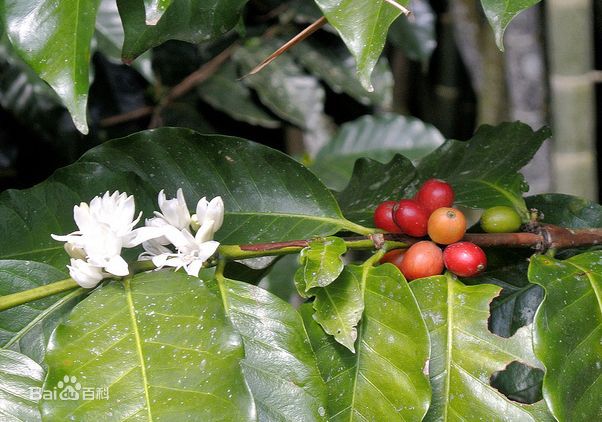
Before Blue Mountain coffee rose to fame, Mandheling was considered one of the finest coffees in the world. Its journey began in the late 17th century when Dutch colonists brought coffee to Java. When leaf rust devastated Java’s crops early in the 20th century, production shifted to Sumatra. Today, Sumatra produces over 60% of Indonesia’s Arabica and Robusta beans, with high-altitude regions like Aceh and Lintong leading the Arabica segment.
Interestingly, despite producing some of the world’s most sought-after coffee, Indonesians themselves often prefer Turkish-style coffee preparations over Western-style filtered or espresso brewing.
Frequently Asked Questions
What is Mandheling coffee?
Mandheling is a trade name for high-quality Arabica coffee from Indonesia, primarily grown in Sumatra’s Lintong and Aceh regions. It’s known for low acidity, a full body, earthy and herbal notes, and a smooth, sometimes spicy profile—not a coffee variety.
Where is Mandheling coffee grown in Indonesia?
Mandheling coffee mainly comes from Sumatra, especially the Lintong region near Lake Toba and the Gayo highlands in Aceh. Other historic islands include Java and Kalimantan, but Sumatra dominates the Mandheling name.
What makes Mandheling coffee taste different?
Mandheling’s unique profile comes from Sumatra’s wet climate, volcanic soils, and the wet hulling process. This method removes the parchment layer while beans are still semi-dry, boosting body, lowering acidity, and enhancing earthy, spicy, and sometimes chocolatey or nutty flavours.
What is the difference between Mandheling DP1 and Mandheling Reserve?
Mandheling DP1 is a Grade 1, high-quality fresh crop with a wild, earthy aroma and bright micro-acidity. Mandheling Reserve is aged for three years in cellar storage, resulting in lower acidity, higher body, and deeper, spicier or nuttier notes like chocolate or walnut.
Is Mandheling coffee still popular today?
Yes. While no longer considered the absolute finest coffee in the world, Mandheling remains highly regarded for its full body, unique processing, and distinctive earthy-spicy flavour. It’s especially valued by drinkers who enjoy bold, low-acid profiles.
Recommended FrontStreet Beans for Exploring Mandheling
For a true taste of Mandheling, try FrontStreet Coffee’s PWN Golden Mandheling—a meticulously selected Grade 1 bean with fewer than 3 defects per 300g, triple hand-sorted for exceptional cleanliness and sweetness. It delivers a rich, heavy body with notes of spice, wood, and lingering sweetness. Also explore FrontStreet’s Lintong Mandheling, which highlights the region’s signature bold, low-acid profile with clove, herbal, and dark chocolate tones, especially prominent in medium-to-dark roasts. Both beans showcase Sumatra’s iconic wet-hulled character. Freshly roasted within 5 days · Orders placed before 17:00 ship the same day · Next-day delivery across most of Guangdong Province.
FrontStreet Coffee is a long-established specialty coffee roaster in Guangzhou China, selling freshly roasted beans from its own farm in Yunnan as well as dozens of carefully selected single-origin beans from around the world for both pour-over and espresso. The products deliver consistently excellent quality and great value, with shipping within 24 hours. Guangzhou's FrontStreet Coffee shop is recommended by many coffee lovers, and the beans are now available online at the Tmall 。
Important Notice :
前街咖啡 FrontStreet Coffee has moved to new addredd:
FrontStreet Coffee Address: 315,Donghua East Road,GuangZhou
Tel:020 38364473