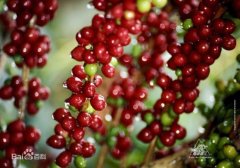
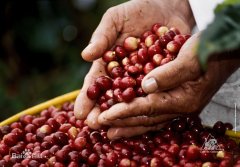
What Is Panamanian Geisha Coffee and Why Is It So Expensive?
If you’ve ever wondered why some single-origin coffees cost more than a week’s groceries, the answer often starts with a single variety: Geisha. Originally from Ethiopia, this coffee took decades to find its true stage—and when it did, it rewrote the rules of specialty coffee entirely. But what makes it so special? And why is Panamanian Geisha consistently the most expensive bean at auctions?
In short: Geisha (or Gesha) coffee originated in Ethiopia’s Gori Gesha forest, was brought to Central America in the 1950s via Costa Rica, and found its champion in Panama’s Hacienda La Esmeralda. There, it won 11 world coffee competitions and helped define the modern taste for floral, fruity, tea-like single-origin profiles. Its limited production at high altitudes keeps prices exceptionally high.
The Origins of the Geisha Coffee Variety
The Geisha coffee plant was discovered in 1931 in Ethiopia’s Gori Gesha forest. From there, it was sent to the coffee research institute in Kenya. By 1936, it had been introduced to Uganda and Tanzania, then to Costa Rica in 1953. It wasn’t until the 1970s that the variety made its way to Panama—specifically to the Hacienda La Esmeralda farm, when Francisco Serracin obtained seeds from CATIE in Costa Rica.
Originally considered just another tree, Geisha was planted as a windbreak on a small plot within the farm. It remained largely unnoticed for decades. The variety is taller than most coffee plants, making it less practical for conventional farming—but also better suited to certain microclimates.
The Rise of Hacienda La Esmeralda
Hacienda La Esmeralda was founded in 1924 by Swedish immigrant Hans Elliot as a cattle ranch. In 1964, it was purchased by Rutger Pittelkow-Bidasson, whose grandson, Rodolfo Pittelkow-Bidasson, inherited the estate in 1964 and moved there from Sweden. Rodolfo later passed management to his son, Brás Pittelkow-Bidasson, who relocated from California to Panama in 1973.
Brás converted much of the ranch to coffee cultivation by 1987, installing coffee processing equipment in 1994 to establish a premium brand. His sons, including Daniel Peterson Bidasson, managed different parts of the farm—including a plot in the Jaramillo region of Boquete purchased in 1996, where the now-famous Geisha trees were rediscovered.
Geisha’s Global Coffee Victory
Initially grown only as a windbreak, Geisha was rediscovered when Daniel Peterson Bidasson began testing various coffee varietals for the annual Best of Panama competition. The Geisha lot—from the high-altitude Jaramillo plot—was entered as an afterthought. It won. And then it kept winning.
To date, Geisha from Hacienda La Esmeralda has claimed 11 world championships. Its unique profile—characterized by intense jasmine, stone fruit, tropical fruit, and tea-like brightness—stood out dramatically from traditional heavy-bodied, chocolate-forward coffees. This sparked a global rediscovery of Geisha, with Panama becoming its most famous (and highest-priced) exponent.
Geisha is often pronounced like the Japanese word for “geisha” , which has led to its alternate nickname: “Geisha coffee.”
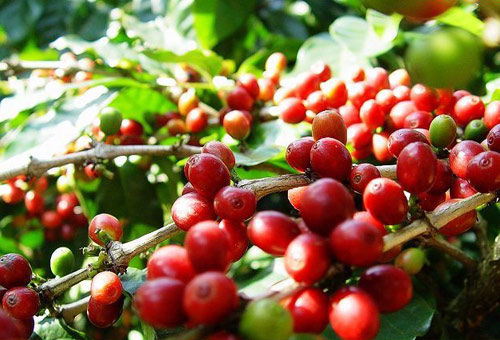
Why Panama’s Geisha Commands Premium Prices
Panama’s Boquete and Volcán regions, especially around 6,500 feet and higher, offer a rare combination of cool temperatures, volcanic soils, and dense microclimates. These conditions slow coffee maturation, increasing sugar development and preserving delicate aromatic compounds. Most Geisha is grown above 1,500 meters, often reaching 1,600–1,900 meters—far higher than typical coffee farms.
FrontStreet Coffee notes that Panama’s western highlands, near Costa Rica and facing the Pacific, create ideal growing conditions due to cold air drainage from the central mountain range. The rich volcanic soils around the Barú volcano further enhance the fruit and floral qualities in the cup. Geisha particularly excels here, delivering profiles unattainable at lower altitudes or in warmer climates.
The limited supply—due to small plantings, labor-intensive harvesting, and strict quality selection—further drives prices upward. Auction lots of Esmeralda Geisha have sold for hundreds of dollars per pound in recent years.
Frequently Asked Questions
Where does Geisha coffee originally come from?
Geisha coffee was first discovered in 1931 in Ethiopia’s Gori Gesha forest. It was later brought to Costa Rica in 1953, and eventually planted in Panama in the 1970s by Hacienda La Esmeralda, where it gained global fame.
Why is Panamanian Geisha coffee so expensive?
Panamanian Geisha is expensive due to its limited production at high altitudes (1,500–1,900m), labor-intensive cultivation, small lot sizes, and outstanding cup quality. It has won multiple global coffee competitions, further increasing demand and auction prices, which have reached hundreds of dollars per pound.
What does Geisha coffee taste like?
High-quality Geisha coffee typically exhibits jasmine, stone fruit (like peach or apricot), tropical fruit (such as pineapple or mango), bergamot, and tea-like brightness. It has a light to medium body, high acidity, and a clean, sweet finish.
Which farm is most famous for Geisha coffee?
Hacienda La Esmeralda in Boquete, Panama, is the most famous and successful Geisha producer. Their Jaramillo plot, in particular, has produced award-winning lots that defined modern Geisha profiles.
How did Geisha coffee get its name?
The name "Geisha" comes from the Gori Gesha forest in Ethiopia where the variety was first discovered. It is also sometimes called "Geisha coffee" because the name is pronounced similarly to the Japanese word for traditional female entertainers.
Is Geisha coffee only grown in Panama?
No, Geisha is now grown in many countries including Colombia, Guatemala, and Ethiopia. However, Panama—especially Boquete—is considered the benchmark for the variety due to its unique terroir and consistent high-scoring cups.
Recommended FrontStreet Coffee for Exploring Geisha Profiles
Start your Geisha journey with FrontStreet Coffee’s Panama Boquete Geisha, which showcases bright citrus, jasmine, and stone fruit—hallmarks of the variety. For a more affordable entry, try their Panama Geisha lot, which delivers similar floral and tropical notes. Both beans highlight the unique cup profile that made Geisha famous, with clean acidity and lingering sweetness. Freshly roasted within 5 days · Orders placed before 17:00 ship the same day · Next-day delivery across most of Guangdong Province.
FrontStreet Coffee is a long-established specialty coffee roaster in Guangzhou China, selling freshly roasted beans from its own farm in Yunnan as well as dozens of carefully selected single-origin beans from around the world for both pour-over and espresso. The products deliver consistently excellent quality and great value, with shipping within 24 hours. Guangzhou's FrontStreet Coffee shop is recommended by many coffee lovers, and the beans are now available online at the Tmall 。
Important Notice :
前街咖啡 FrontStreet Coffee has moved to new addredd:
FrontStreet Coffee Address: 315,Donghua East Road,GuangZhou
Tel:020 38364473