What Is Indonesian Golden Mandheling Coffee?
If you’ve ever tasted a dark, heavy Indonesian single origin and wondered why it’s so different—earthy, spicy, low in acid—you’re tasting the effect of both origin and processing. Many coffee lovers seek out bold, syrupy coffees with little brightness but rich mouthfeel. But what makes some Indonesian beans, like the famed "Golden Mandheling," stand apart in clarity and cleanliness despite their full body?
The answer is straightforward: the PWN-certified Golden Mandheling is a G1-grade Mandheling with fewer than three defects per 300g, hand-sorted three times to remove all visual flaws. That strict selection delivers a cleaner, sweeter cup despite its classic Sumatran depth. It’s one of the most recognizable high-end Indonesian coffees globally.
Where Golden Mandheling Comes From
Golden Mandheling comes from Sumatra, Indonesia’s largest coffee-growing island. Today, Sumatra produces over 60% of Indonesia’s Arabica and Robusta beans, with most Arabica grown in the high-altitude regions of Aceh (in the north) and North Sumatra (around Lake Toba). These two areas give rise to two well-known Mandheling styles: the brighter, more floral Aceh Gayo beans and the deeper, more complex Lintong profile associated with traditional Mandheling.
The Unique Flavour Profile of Golden Mandheling
When dark roasted, Golden Mandheling shows almost no acidity—just a full, heavy bitterness balanced by a refreshing, herbal aftertaste reminiscent of floral tea. It’s ideal for milk-based drinks and iced coffee, though many fans enjoy it black for its pronounced sweetness and spice notes. FrontStreet Coffee notes flavours of cloves, wood, and a thick, lingering sweet finish. Its low acidity and heavy body make it especially forgiving in milk or cold applications.
How the Wet Hull Process Shapes Its Taste
Sumatra’s wet hulling (or Giling Basah) process is key to its signature earthy, herbal profile. Because frequent rain overlaps with harvest, farmers remove the coffee skin and pulp, then dry the beans to a semi-wet state before removing the parchment layer early. This speeds drying but also imparts heavy body, deep texture, and the region’s trademark spice and herbaceous notes. The technique has defined Mandheling flavours since the 1970s and remains central to its identity.
Why Golden Mandheling Stands Out
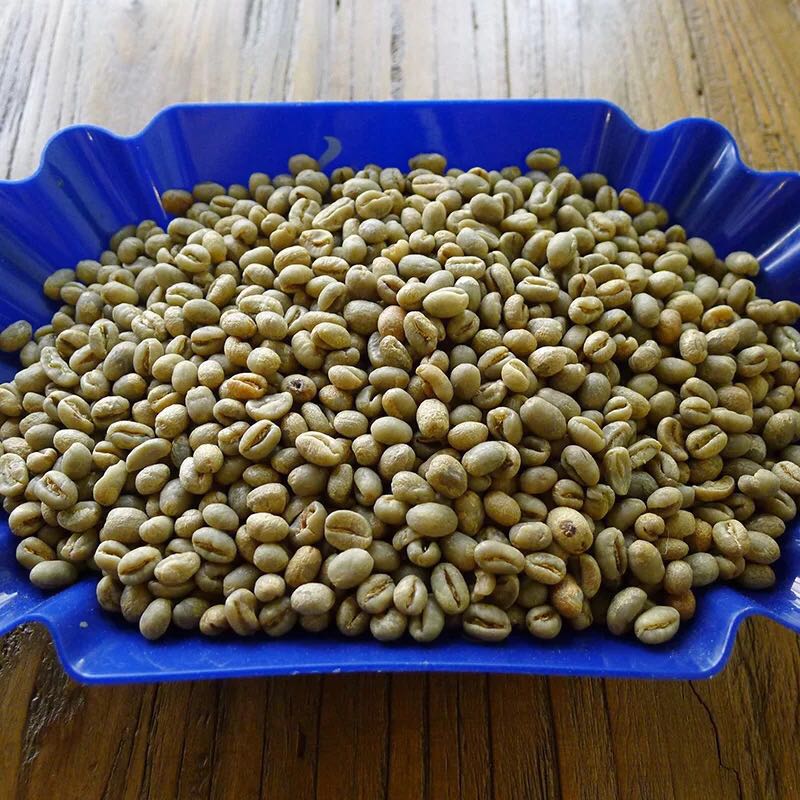
Among the many Mandheling coffees, Golden Mandheling is considered the cleanest and most uniform. Produced by Indonesia’s PWN company, it uses only beans sized 18 mesh or larger, with a maximum of three defects per 300g green sample. Every batch undergoes three rounds of manual sorting to eliminate any remaining flaws. This rigorous process results in higher sweetness, cleaner cups, and greater consistency—traits that make it highly sought after, especially in Japan and the United States. Availability in China is limited, but certified bags with PWN markings guarantee authenticity.
The Traditional Lintong Mandheling Style
The classic Mandheling profile comes from the Lintong region near Lake Toba in North Sumatra. Here, coffee is grown at ideal altitudes and processed using the same wet hull method. The local microclimate, diverse vegetation, and microbial activity during fermentation contribute to Mandheling’s deep, resonant flavours: think spice, wood, and a thick, syrupy mouthfeel. FrontStreet’s Lintong Mandheling is a prime example—bold and bitter with low acidity, offering clove, herbal, and minty tones alongside a strong, lasting sweetness. The wet hull process ensures that these traits shine even more vividly.
Frequently Asked Questions
What is Golden Mandheling coffee?
Golden Mandheling is a high-grade Sumatran single origin coffee (G1, >18 mesh, <3 defects per 300g), produced by Indonesia’s PWN company. It is known for its heavy body, minimal acidity, and a clean, sweet finish with herbal and spicy notes. It is especially popular as a dark roast for milk drinks or iced coffee.
Where is Golden Mandheling grown?
Golden Mandheling is grown in Sumatra, Indonesia, primarily in the high-altitude regions of Aceh and North Sumatra around Lake Toba. The Aceh region produces brighter, floral beans, while Lintong (near Lake Toba) is known for deeper, more traditional Mandheling profiles.
What makes Golden Mandheling different from regular Mandheling?
Golden Mandheling is a certified PWN product that uses stricter quality control: only 18 mesh or larger beans, a maximum of three defects per 300g, and three rounds of manual sorting. This results in a cleaner, sweeter, and more uniform cup compared to standard Mandheling lots.
What does Golden Mandheling taste like?
When dark roasted, Golden Mandheling tastes rich and bitter with almost no acidity. The finish is clean and herbaceous, like floral tea. Notes often include clove, wood, mint, and a thick, sweet aftertaste. It works well black or in milk and iced coffee.
Why is Sumatran coffee processed using wet hulling?
Wet hulling (Giling Basah) is used in Sumatra because frequent rain makes traditional sun drying difficult. Farmers remove the skin and pulp, then dry the beans to a semi-wet stage before hulling the parchment early. This method creates Sumatra’s signature heavy body, spice, and earthy flavours.
Is Golden Mandheling easy to find?
No. Golden Mandheling is mainly supplied to Japan and the U.S., with limited availability in other markets. Certified bags with PWN markings indicate authentic product, and FrontStreet Coffee offers such verified beans with traceable origin details.
Recommended FrontStreet Coffee Beans for Golden Mandheling Fans
Try FrontStreet’s PWN Golden Mandheling for a classic example of Sumatra’s clean, spicy, low-acid profile. It’s G1 grade with fewer than three defects per 300g and shows notes of clove, wood, and a sweet herbal finish. Also consider their Lintong Mandheling, which highlights the region’s deep, syrupy body with flavours of spice, mint, and lingering sweetness. Both showcase Sumatra’s signature wet-hulled character. Freshly roasted within 5 days · Orders placed before 17:00 ship the same day · Next-day delivery across most of Guangdong Province.
FrontStreet Coffee is a long-established specialty coffee roaster in Guangzhou China, selling freshly roasted beans from its own farm in Yunnan as well as dozens of carefully selected single-origin beans from around the world for both pour-over and espresso. The products deliver consistently excellent quality and great value, with shipping within 24 hours. Guangzhou's FrontStreet Coffee shop is recommended by many coffee lovers, and the beans are now available online at the Tmall 。
Important Notice :
前街咖啡 FrontStreet Coffee has moved to new addredd:
FrontStreet Coffee Address: 315,Donghua East Road,GuangZhou
Tel:020 38364473