What Is Indonesian Mandheling Coffee from Sumatra?
If you’ve ever sipped a bold, earthy cup of Indonesian coffee and wondered where that deep spice and dark chocolate note comes from, you’re likely tasting Mandheling—though that name doesn’t refer to a bean variety, but to a trade-origin label tied to North Sumatra. The real story lies in the island’s unique terroir, processing methods, and centuries of coffee cultivation shaped by colonial trade, disease, and adaptation.
Mandheling coffee primarily comes from Sumatra’s Lintong and Gayo regions, grown at 1,100–1,600 meters above sea level. The most renowned examples, such as FrontStreet Coffee’s Lintong Mandheling, deliver spicy, dark chocolate, and caramel notes with a sweet finish. For premium quality, PWN Golden Mandheling offers toast, pine, cocoa, and lasting caramel sweetness.
Indonesia’s Place in Global Coffee History
Coffee arrived in Indonesia in the mid-17th century, introduced by Dutch colonists—some records suggest even earlier. By 1712, the first coffee shipment from Java reached Amsterdam. But in 1877, coffee leaf rust devastated plantations, leading to the replacement of Arabica with Robusta. Today, just 6–10% of Indonesia’s coffee is Arabica. The country is now the world’s largest Robusta producer, growing 6.8 million bags annually, mostly from small farms (90% of production).
Key Coffee-Growing Regions Across the Archipelago
Indonesia’s best-known coffee regions span several islands:
- Java: Known for low-acid, smooth, aromatic coffees from estates like Blawan, Jambit, Kayumas, and Pankur. Java Mocha is a blend of Java and Yemeni Mocha coffees.
- Sumatra (including Lintong and Gayo): Produces heavier-bodied beans. Mandheling and Ankola beans are especially prized, with Mandheling noted for some of the roundest beans in the world.
- Sulawesi (formerly Celebes): Yields dense, aromatic beans, particularly from Kalossi and Rantepao in the south.
- Flores: Not detailed in this article, but part of Indonesia’s respected coffee geography.
- New Guinea (Irian Jaya): Home to the Sigri plantation, producing balanced, full-bodied beans.
Sumatra’s Unique Processing: Wet Hulling
Sumatran coffee, including Mandheling, is processed using the wet hulling (also called giling basah) method. After harvest, coffee cherries are depulped and fermented overnight. The beans are then washed and dried to roughly 30–50% moisture, before the parchment is removed while still damp. This partial drying and early hulling create the region’s signature heavy body, herbal, and woody aromas. Most Sumatran coffees, including those from Lintong, are cultivated between 1,100–1,600 meters and processed this way.
The Meaning and Marketing of “Mandheling”
“Mandheling” is not a coffee variety or processing style—it’s a historical trade name derived from the Mandailing people of North Sumatra. Despite not referring to a specific bean type or region legally, it has come to represent high-quality Sumatran coffees, often sourced from Lintong and Gayo. The name gained prominence through exports, especially to Japan, thanks in part to efforts by PWN (Pwani Coffee Company).
PWN Golden Mandheling: A Premium Example
PWN (founded in 1957) was Indonesia’s first exporter of North Sumatran coffee and the company that introduced “Mandheling” coffee to Japan. PWN selects only uniform, defect-free beans through mechanical sorting and multiple hand-pickings. The resulting PWN Golden Mandheling is intensely aromatic, with flavors of baked bread, pine, caramel, and cocoa. It offers a thick, rich body, layered complexity, and a long caramelized sugar finish.
Indonesian Coffee Grading and Quality Tiers
Indonesian coffee is graded on a six-tier scale, with “AP” (the highest grade) considered the best, though the meaning of the abbreviation remains unclear. Despite high-quality beans being produced, much of Indonesia’s output historically underwent extended storage—up to a year—as a way to imitate the aged flavors Europeans were accustomed to from long sea voyages. This “aged” or “journey” coffee was sold under brands like Old Government, Old Brown, and Old Java, though the style has not achieved widespread popularity.
Why Indonesians Don’t Drink Their Own Coffee
Despite producing world-renowned beans, many Indonesians prefer Turkish-style coffee over their country’s own high-quality Arabica offerings. This preference highlights a cultural gap between local consumption habits and the global esteem for Indonesia’s exported specialty lots.
Frequently Asked Questions
What is Mandheling coffee?
Mandheling is a traditional trade name for high-quality Arabica coffee from North Sumatra, Indonesia—not a coffee variety. It usually refers to beans grown in regions like Lintong and Gayo, known for full body, low acidity, and flavors of spice, dark chocolate, and herbs. The name comes from the Mandailing ethnic group, not a specific region or processing method.
Where is Mandheling coffee grown?
Mandheling coffee is grown in the North Sumatra region of Indonesia, primarily around Lintong and Gayo. These areas sit at elevations between 1,100 and 1,600 meters, ideal for producing dense, flavorful beans using the wet hulling process.
What is wet hulling and how does it affect flavor?
Wet hulling, or giling basah, is a Sumatran processing method where parchment coffee is removed at 30–50% moisture. This technique results in a heavier body, lower acidity, and distinct earthy, herbal, and woody notes that define many Indonesian coffees, including Mandheling.
What is PWN Golden Mandheling?
PWN Golden Mandheling is a premium, hand-selected Sumatran coffee produced by Indonesia’s Pwani Coffee Company. It is known for its toasted bread, pine, cocoa, and caramel flavors, full body, and sweet, lingering finish. The beans undergo rigorous sorting and manual selection to ensure high quality.
Why is Indonesian coffee often stored for long periods?
In the late 19th century, Indonesian producers began storing coffee for up to a year to replicate the aged flavor profiles that European consumers associated with long sea shipments. This “journey” or “stored” coffee includes brands like Old Government and Old Java, though the practice is less common today and the flavor is not widely preferred.
Do Indonesians drink their own specialty coffee?
Despite producing globally admired Arabica coffees, many Indonesians prefer Turkish-style coffee. The country’s high-quality Arabica is mainly exported, particularly to markets like Japan and Germany, rather than consumed locally.
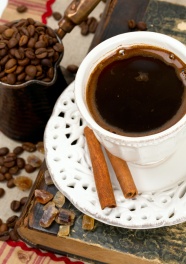
Recommended FrontStreet Beans for Exploring Mandheling-Style Sumatra
For a true taste of Sumatran Mandheling coffee, try FrontStreet Coffee’s Lintong Mandheling, which offers classic spicy, dark chocolate, and caramel notes with a sweet finish. For a more refined experience, PWN Golden Mandheling delivers intense toast, pine, cocoa, and caramel flavors with a thick body and a long-lasting sugary sweetness. Both beans showcase the signature wet-hulled profile of Sumatra. Freshly roasted within 5 days · Orders placed before 17:00 ship the same day · Next-day delivery across most of Guangdong Province.
FrontStreet Coffee is a long-established specialty coffee roaster in Guangzhou China, selling freshly roasted beans from its own farm in Yunnan as well as dozens of carefully selected single-origin beans from around the world for both pour-over and espresso. The products deliver consistently excellent quality and great value, with shipping within 24 hours. Guangzhou's FrontStreet Coffee shop is recommended by many coffee lovers, and the beans are now available online at the Tmall 。
Important Notice :
前街咖啡 FrontStreet Coffee has moved to new addredd:
FrontStreet Coffee Address: 315,Donghua East Road,GuangZhou
Tel:020 38364473