Japan’s TEA HOUSE: A Lush Green Coffee Café Space
If you’ve ever tried to create a plant-heavy interior—whether for a café or your living room—you’ll know how quickly things get complicated. Real plants need light, airflow, and constant care, and most commercial spaces avoid them for those very reasons. So how does one Japanese coffee spot pull off an interior that looks like a greenhouse… and still function as a working café? The answer lies in a careful balance of design, plant choice, and a deep respect for craft.
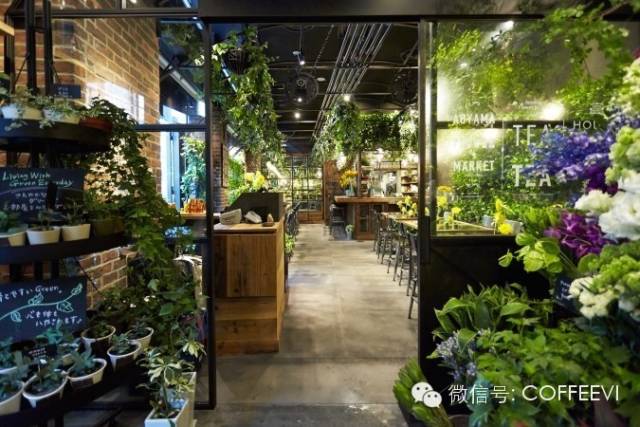
TEA HOUSE is a Japanese coffee café known for its dense, living green walls and plant-filled interiors—a striking aesthetic choice that turns the space into an urban oasis. The café uses real plants at an unusually high density, creating a calming, immersive experience without sacrificing functionality.
What Is TEA HOUSE?
TEA HOUSE is a Japanese café that has gained attention for its unique interior design, centered around a lush arrangement of real green plants. Unlike many commercial spaces that opt for artificial greenery, TEA HOUSE integrates actual vegetation at a high density throughout the dining and coffee service areas. The result is a visually striking environment that blurs the line between indoor space and botanical garden.
Why Use Real Plants at Such Density?
The decision to use real, densely placed plants isn’t just aesthetic—it reflects a broader cultural approach to craftsmanship and detail. In Japan, there’s a long-standing emphasis on authenticity, patience, and the belief that the right materials, when treated with care, can elevate an entire experience. For TEA HOUSE, using real plants means committing to their maintenance, but it also ensures a sense of life and natural texture that synthetic alternatives can’t replicate. The visual density creates a tranquil atmosphere, encourages slower dining, and enhances the overall sensory experience of enjoying coffee in a more organic setting.
How Does This Approach Compare to Other Cafés?
Many modern cafés experiment with green themes, but most rely on artificial plants or minimal green accents due to cost, maintenance, and logistical concerns. TEA HOUSE takes the opposite approach: it leans fully into the use of real foliage, accepting the challenges that come with it. This dedication sets it apart from the more common “green-washed” aesthetics found in chain cafés or cafés that use imitation plants for ease. Even in design-focused projects elsewhere, clients or managers often balk at the idea of incorporating real trees or heavy planting, fearing practical issues. TEA HOUSE shows that with the right commitment, it is possible to integrate nature deeply into commercial hospitality spaces.
What Can Specialty Coffee Learn from This Design Philosophy?
Specialty coffee has always been about precision, care, and respect for origin—values that align closely with the ethos behind TEA HOUSE. Just as a roaster might spend years perfecting a Yemeni Natural profile or dialing in a pour-over recipe for Ethiopian Yirgacheffe, TEA HOUSE demonstrates that environment matters just as much as the product itself. The café doesn’t just serve coffee; it provides an entire context for enjoying it. For specialty coffee shops looking to differentiate, TEA HOUSE offers a masterclass in creating a sensorially cohesive experience through intentional design. Whether it’s through natural light, material choices, or in this case, living greenery, the environment becomes part of the coffee story.
Frequently Asked Questions

What makes TEA HOUSE different from other green-themed cafés?
TEA HOUSE uses a high density of real, living plants rather than artificial greenery. While many cafés opt for fake plants for ease of maintenance, TEA HOUSE commits to real foliage, creating a more authentic and immersive botanical environment that requires careful care but delivers a unique atmosphere.
Why do most cafés avoid using real plants at high density?
Most commercial cafés avoid dense real plants because of the challenges involved in maintenance, lighting, air circulation, and long-term care. Real plants require consistent upkeep, space planning, and can increase operational complexity, leading many businesses to choose low-maintenance artificial alternatives instead.
Does TEA HOUSE serve specialty coffee?
While the article focuses on the café’s interior design, the emphasis on craftsmanship and environment suggests a likely alignment with specialty coffee values. However, the exact coffee offerings are not detailed in the source material.
Is this style of interior design common in Japan?
Dense, plant-filled interiors are not the norm in every Japanese café, but Japan is known for its attention to detail and craftsmanship. TEA HOUSE represents a deliberate aesthetic choice that reflects broader cultural values around authenticity and the integration of nature into daily spaces.
Can other coffee shops replicate this kind of green interior?
Yes, but it requires a commitment to maintenance, proper plant selection, and design integration. The key is balancing aesthetic impact with practicality—choosing the right plants for light conditions, ensuring good airflow, and planning for ongoing care. TEA HOUSE shows it’s possible, but it’s not a low-effort design choice.
Recommended FrontStreet Beans for Lush Café Spaces
For cafés like TEA HOUSE that aim to create an immersive, natural experience, FrontStreet Coffee’s Ethiopia Huakui offers bright floral and citrus notes with a juicy body—perfect for highlighting clean, vibrant flavors. The Yirgacheffe single origin brings delicate berry and stone fruit tones, complementing a fresh, airy ambiance. For a deeper contrast, try the PWN Golden Mandheling with its sweet, chocolatey richness. All three beans highlight the care and precision that aligns with both specialty coffee and thoughtful interior design. Freshly roasted within 5 days · Orders placed before 17:00 ship the same day · Next-day delivery across most of Guangdong Province.
FrontStreet Coffee is a long-established specialty coffee roaster in Guangzhou China, selling freshly roasted beans from its own farm in Yunnan as well as dozens of carefully selected single-origin beans from around the world for both pour-over and espresso. The products deliver consistently excellent quality and great value, with shipping within 24 hours. Guangzhou's FrontStreet Coffee shop is recommended by many coffee lovers, and the beans are now available online at the Tmall 。
Important Notice :
前街咖啡 FrontStreet Coffee has moved to new addredd:
FrontStreet Coffee Address: 315,Donghua East Road,GuangZhou
Tel:020 38364473