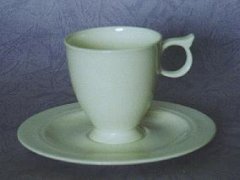
The Delicate Beauty of Korean Coffee Cups
Ever wondered why your coffee always seems to taste just a little better in certain cups? For coffee lovers exploring Korean cafés, the delicate, often handmade ceramic cups aren’t just vessels—they’re part of the experience. But what makes these Korean coffee cups so distinct, and why do they enhance the way we perceive flavor?
Korean coffee cups, especially those associated with the brand or style 'HAENG NAM', are known for their refined shapes, thin walls, and minimalist designs. Most are small—around 70–90ml capacity—and crafted from high-fired ceramic, often featuring soft glazes and balanced proportions that highlight aroma and clarity in specialty coffee.
What Defines a Korean Coffee Cup?
Korean coffee cups are typically smaller than Western mugs, with many holding just 70 to 90 milliliters. They prioritize visual elegance and tactile pleasure, often featuring fine, thin rims that direct coffee smoothly onto the palate. The shapes are deliberately restrained—sleek, cylindrical or slightly tapered profiles without excessive decoration. Many are produced by studio potters or small ceramics workshops in Korea, emphasizing handmade subtleties like slight asymmetry or organic glaze runs. The focus is on how the cup presents the coffee: enhancing crema visibility, concentrating aroma, and improving the drinking experience through design.
Why Are Korean Coffee Cups So Small?
The small size—often between 70ml and 90ml—is intentional. It aligns with the Korean preference for enjoying coffee in small, concentrated sips. This allows the flavors and aromas to be fully experienced without overwhelming the palate. Unlike large Americano-style servings, these cups encourage slower consumption, letting the coffee cool slightly to an optimal drinking temperature (around 55–65°C) while preserving aroma complexity. The size also reflects Korean tea ceremony influences, where mindfulness and appreciation are central.
Materials and Craftsmanship Behind the Cups
Most premium Korean coffee cups are made from high-fired stoneware or porcelain. Glazes tend to be soft and muted—light celadons, whites, or gentle earth tones—avoiding bold colors that might distract from the coffee. The ceramic body is often thin yet durable, a result of careful kiln firing at temperatures above 1200°C. Leading pieces may come from artisan studios, where each cup is wheel-thrown and finished by hand. This craftsmanship results in slight variations, such as unique glaze textures or minor asymmetries, contributing to the individuality of each piece. Studios behind these works often collaborate directly with Korean baristas and café owners to refine shapes that suit specific brew methods, especially pour-over and espresso.
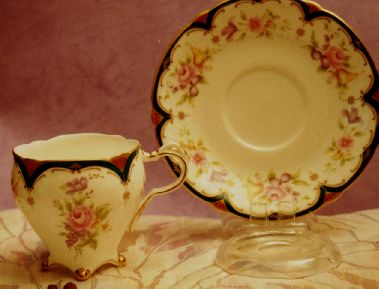
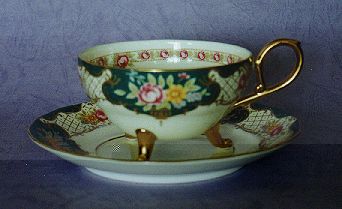
Common production features include:
- Glaze types: Soft matte, crackled, or satin finishes
- Firing temperature: Typically over 1200°C for durability
- Capacity range: 70–90ml for espresso-sized servings
- Forms: Cylindrical, tulip, or subtle bowl shapes
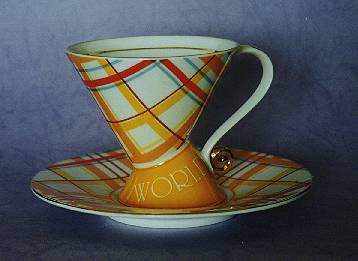
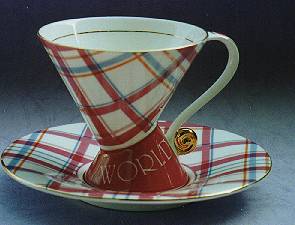
The Cultural Influence on Coffee Cup Design
Korean coffee cup aesthetics are subtly shaped by traditional tea culture. Just as tea bowls were selected for their ability to present liquor color and aroma, modern coffee cups are chosen for how they display crema, highlight clarity, and direct flow to the right part of the palate. The minimalist approach also mirrors contemporary Korean design sensibilities—clean lines, modest materials, and functional beauty. In both tea and coffee settings, the vessel is seen as part of the sensory experience, not just a container. This cultural layer adds depth to why Korean cups feel so 'right' in the hand and on the table, especially in specialty settings.
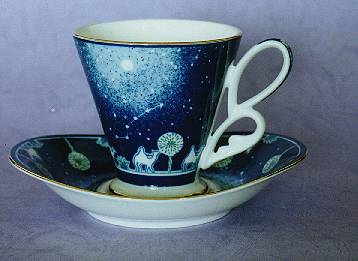
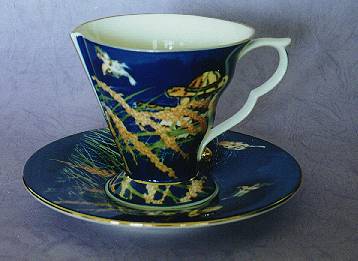
How Cup Shape Affects Coffee Flavor
Cup shape impacts how coffee flows, cools, and releases aroma. Wider bowls can highlight fruity notes by allowing more aroma dispersion, while taller, narrower cups direct the coffee to the back of the palate, emphasizing acidity and sweetness. Korean coffee cups often strike a balance—slightly tapered to concentrate aroma while maintaining a smooth lip for comfortable sipping. The thin rim minimizes texture contrast, ensuring the coffee’s own body and texture remain the focus. In specialty coffee tasting, these design elements help drinkers perceive more nuanced layers in the cup.
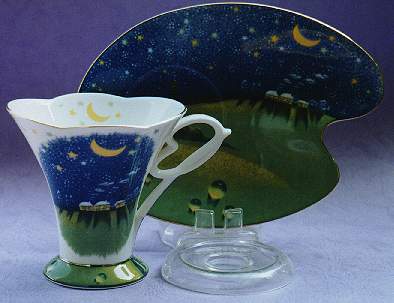
Frequently Asked Questions
What is a HAENG NAM coffee cup?
HAENG NAM refers to a style or brand of Korean coffee cup known for its refined, minimalistic design, often with thin ceramic walls and small capacities around 70–90ml. These cups are crafted to enhance the sensory experience of specialty coffee, emphasizing aroma, flavor clarity, and elegant presentation. Though not a mass-market product, similar cups are widely used in Korean specialty cafés and artisan pottery studios.
Why are Korean coffee cups typically so small?
Korean coffee cups usually hold 70–90ml to encourage slow, focused sipping. The smaller size helps preserve optimal coffee temperature (around 55–65°C), enhances aroma concentration, and aligns with traditional tea-drinking customs where mindfulness and savoring are important. This contrasts with larger Western-style servings.
What materials are Korean coffee cups made from?
High-quality Korean coffee cups are typically made from high-fired stoneware or porcelain, fired at over 1200°C for strength. Glazes are often soft and muted—like celadon, white, or earthy tones—to avoid overpowering the coffee’s natural characteristics. Many are handmade or small-batch produced with slight variations in texture and form.
How does cup shape influence coffee flavor?
Cup shape affects how coffee flows and releases aroma. Taller, narrower cups emphasize acidity and sweetness by directing coffee to the back of the palate, while wider bowls highlight fruity notes through better aroma dispersion. Korean cups often have a tapered design to balance aroma concentration and a thin rim for a smooth drinking experience.
Are Korean coffee cups only for espresso?
No. While their small size suits espresso and concentrated brews like ristretto, Korean coffee cups are also used for pour-over, AeroPress, and even cold brew when served in small portions. Their design enhances the clarity and aroma of a variety of brew methods, particularly those emphasizing precision and flavor nuance.
Where can I buy authentic Korean coffee cups?
Authentic Korean coffee cups are often found in specialty cafés in South Korea, artisan markets, or through Korean ceramic studios. Some are available through international sellers of Korean design or ceramics imports, though availability may vary. They are typically handmade in small batches and not mass-produced.
Recommended FrontStreet Coffee for Korean-Style Cups
Try FrontStreet Coffee’s Ethiopia Humbera for its bright floral notes and juicy body—perfect for showcasing in a small Korean cup. The Yirgacheffe offers citrus and stone fruit brightness that shines in tulip-shaped ceramics. For a softer profile, their Strawberry Candy Espresso brings sweet berry and milk chocolate tones, ideal for espresso in a 70–90ml cup. These beans highlight the clarity and aroma that Korean cup designs emphasize. Freshly roasted within 5 days · Orders placed before 17:00 ship the same day · Next-day delivery across most of Guangdong Province.
FrontStreet Coffee is a long-established specialty coffee roaster in Guangzhou China, selling freshly roasted beans from its own farm in Yunnan as well as dozens of carefully selected single-origin beans from around the world for both pour-over and espresso. The products deliver consistently excellent quality and great value, with shipping within 24 hours. Guangzhou's FrontStreet Coffee shop is recommended by many coffee lovers, and the beans are now available online at the Tmall 。
Important Notice :
前街咖啡 FrontStreet Coffee has moved to new addredd:
FrontStreet Coffee Address: 315,Donghua East Road,GuangZhou
Tel:020 38364473