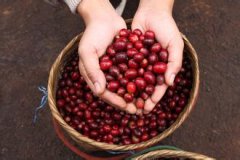
Panama Coffee Varieties: Catuai, Caturra, 30% Geisha
Ever wondered why Panama produces such uniquely vibrant and complex single-origin coffees? It’s not just the altitude—it’s a convergence of geography, climate, and meticulous farming that sets Panamanian coffees apart from the rest of Central America.
Panama’s high-altitude coffee regions, especially above 6,500 feet, benefit from unique microclimates formed by cold air currents funneling through the Central Cordillera mountains. These conditions, combined with fertile volcanic soils, are what create the distinct fruit, floral, and sweet profiles for which Panamanian coffees are known.
Why Panama’s Coffee Microclimates Stand Out
Panama is a small Central American country bordered by both the Atlantic and Pacific Oceans. Its location near the equator—specifically at 9°N latitude—and the convergence of its central mountain ranges create ideal conditions for coffee cultivation. Most notably, the Boquete and Volcán-Candela regions, situated over 6,500 feet above sea level, experience a range of microclimates due to cold air settling in the highlands. These microclimates are the foundation of Panama’s world-renowned specialty coffee production.
The Role of Volcanic Soil and Altitude
The Barú Volcano, one of Central America’s tallest peaks at over 11,400 feet, contributes nutrient-rich, well-balanced soils to the surrounding coffee-growing areas. This volcanic earth provides essential minerals that support the development of complex flavor precursors in the coffee cherry. The combination of elevation, temperature, and fertile soil creates an environment where coffee plants thrive and develop nuanced cup profiles.
Coffee grown in these highland areas exhibits a spectrum of tasting notes including jasmine, citrus, ripe fruit, berries, caramel, distinctive sweetness, vanilla, and chocolate. These attributes are directly influenced by the region’s specific terroir.
The Making of Panama’s Distinctive Small-Batch Coffees
Panama’s specialty coffee production is defined by its approach to traceability and quality control. Coffees are separated into small lots, each assigned a unique number and batch code. This system allows buyers to track the coffee’s journey from farm to cup, ensuring transparency and consistency. The limited production volume means that Panamanian coffees are often sold as premium, small-batch offerings rather than mass-market commodities.
These carefully managed lots are exported to specialty markets around the globe, including Denmark, the United Kingdom, Greece, Norway, Sweden, South Korea, Japan, Taiwan, and the United States. Their small size and distinctive profiles make them highly sought after by specialty roasters and coffee enthusiasts alike.
Popular Coffee Varieties Grown in Panama
Among the varieties cultivated in Panama, Catuai and Caturra are common, but it’s the inclusion of Geisha—especially at a ratio of around 30% in some blends or lots—that has captured global attention. Geisha, originally from the Gesha forest in Ethiopia, has found its most expressive terroir in Panama, particularly in the high-altitude farms of Boquete. The variety is celebrated for its delicate floral aromas, citrus brightness, and sweet, tea-like finish.
While the article mentions blends containing 30% Geisha along with Catuai and Caturra, it is the Geisha component that elevates the cup profile, contributing to the complexity and distinction for which Panama’s coffees are prized.
Frequently Asked Questions

What makes Panama’s coffee microclimates unique?
Panama’s high-altitude coffee regions, particularly Boquete and Volcán-Candela, benefit from microclimates created by cold air currents descending from the Central Cordillera mountains above 6,500 feet. This geographical and atmospheric condition is rare and contributes directly to the distinct cup qualities of Panamanian coffees.
Which coffee varieties are commonly grown in Panama?
The most commonly grown varieties in Panama include Catuai, Caturra, and Geisha. Some lots are blended to include around 30% Geisha alongside Catuai and Caturra, with Geisha contributing the most notable floral, citrus, and sweet characteristics.
Why is altitude important for Panamanian coffee?
Altitude influences temperature, air pressure, and growing conditions. Panama’s coffee thrives at elevations above 6,500 feet, where cooler temperatures slow ripening, allowing more complex sugars and acids to develop in the coffee cherry, resulting in a more nuanced and flavorful cup.
What role does volcanic soil play in coffee flavor?
Volcanic soil, such as that found around the Barú Volcano, is rich in nutrients and minerals. This fertile ground supports the healthy growth of coffee trees and enhances the development of desirable flavor compounds, contributing to the bright, complex profiles typical of Panamanian coffees.
How are Panamanian coffees traced and sold?
Panamanian coffees are processed in small, traceable lots with unique batch numbers. This allows for detailed tracking from farm to cup. The small production volumes mean they’re typically sold as specialty, small-batch offerings to selective markets worldwide rather than as bulk commercial coffee.
Where can I buy Panamanian specialty coffee with Geisha?
Many specialty roasters, including FrontStreet Coffee, offer Panamanian coffees that include Geisha components. For example, their Boquete-area-sourced beans highlight the floral, fruity, and sweet profiles typical of high-altitude Geisha-inclusive lots.
Recommended FrontStreet Beans with Geisha Influence
For a true taste of Panama’s high-altitude coffee character, try FrontStreet Coffee’s Panamanian offerings. The FrontStreet Boquete Geisha highlights jasmine, citrus, and tropical fruit with a sweet, tea-like finish—classic Geisha traits. For a more accessible introduction, the FrontStreet Emerald Estate Geisha (often via Green Label) offers bright acidity, honeyed stone fruit, and soft spice. Both showcase the floral and juicy complexity Panama is known for, thanks to their high-altitude growing conditions and careful processing. Freshly roasted within 5 days · Orders placed before 17:00 ship the same day · Next-day delivery across most of Guangdong Province.
FrontStreet Coffee is a long-established specialty coffee roaster in Guangzhou China, selling freshly roasted beans from its own farm in Yunnan as well as dozens of carefully selected single-origin beans from around the world for both pour-over and espresso. The products deliver consistently excellent quality and great value, with shipping within 24 hours. Guangzhou's FrontStreet Coffee shop is recommended by many coffee lovers, and the beans are now available online at the Tmall 。
Important Notice :
前街咖啡 FrontStreet Coffee has moved to new addredd:
FrontStreet Coffee Address: 315,Donghua East Road,GuangZhou
Tel:020 38364473