How Colombia’s Hope Estate Grew World-Class Geisha
You’ve heard of Panama’s legendary Geisha—now meet the Colombian farm that made it thrive thousands of miles away. But how did a country without native Geisha plants create award-winning versions? The answer lies in a decade-long mission led by Rigoberto Herrera and his team at Hope Estate.
In just five years after planting, Hope Estate’s Geisha scored second place in the 2012 Cup of Excellence—then added two more top-ten finishes, proving Colombia could rival Panama’s Geisha fame.
The Quest for Geisha Begins
After Panama’s Hacienda La Esmeralda skyrocketed to global fame by rediscovering Geisha on its farm, growers worldwide rushed to cultivate the variety. But Colombia had no native Geisha. Hope Estate owner Rigoberto Herrera sent his chief plant scientist, Hernando Tapasco, to Boquete, Panama. There, Tapasco spent a year studying Geisha cultivation firsthand—right next door to the legendary La Esmeralda farm. He rented the La Cardeida property to master every detail before bringing the knowledge home.
Planting Geisha in Cauca
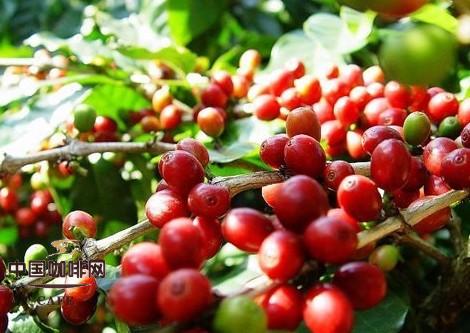
In December 2006, Hope Estate acquired Cerro Azul in Colombia’s Cauca Valley. The microclimate mirrored Boquete: warm air rising from the valley met cool Pacific winds. The estate’s 20 hectares sat between 1,700–1,950 meters above sea level, originally planted with Caturra. In September 2007, 35,000 Geisha seedlings went into the ground. But two months later, a frost wiped most out. Rigoberto’s brother urged switching to cattle grazing—but Rigoberto replanted, adding windbreaks to shield the fragile young trees from the brutal cold.
An Award-Winning Comeback
By 2012, Hope Estate’s Geisha bounced back spectacularly. That year’s Cup of Excellence ranked it second place globally. Even more impressively, Hope Estate’s Geisha lots from three different farms claimed three of the top ten spots: second, third, and seventh. That “triple crown” cemented its place among the world’s elite Geisha producers.
Meet the Team Behind the Magic
Hope Estate stands apart with rare in-house expertise: a PhD plant scientist, three professional cuppers, and 100 full-time staff managing six estates. The Herrera brothers—Rigoberto and his sibling—descend from coffee-farming roots in Trujillo, Colombia. Their family legacy faded over time, but the dream of reviving high-quality coffee never died.
Back in Colombia, the Herreras repurchased land starting with La Esperanza in Trujillo, near their grandfather’s original farm. This 100% organic estate grows Colombian, Castillo, and Caturra varieties—and over 14,000 organic Geisha trees. They later expanded to four more farms in Trujillo and Caicedonia. With the leased La Cardeida in Boquete, Panama, the family now oversees six estates spanning 213 hectares.
Frequently Asked Questions
Why did Hope Estate choose Cauca Valley for Geisha?
Hope Estate picked Cauca Valley because its elevation (1,700–1,950m) and microclimate—where warm valley air meets cool Pacific winds—closely resemble Boquete, Panama, where Geisha thrives. This geographic similarity made it ideal for adapting Panama’s successful Geisha model to Colombia.
What happened to the first Geisha plantings in 2007?
The initial 35,000 Geisha trees planted in September 2007 suffered severe frost damage just two months later, with many dying. The estate’s leadership considered abandoning the crop for cattle grazing, but Rigoberto Herrera insisted on replanting and added protective windbreaks to safeguard future trees.
How did Hope Estate’s Geisha perform in competitions?
In 2012, Hope Estate’s Geisha won second place in the Cup of Excellence. Additionally, Geisha lots from three of its farms placed in the top ten: second, third, and seventh. This remarkable “three-crown” achievement highlighted Colombia’s ability to produce world-class Geisha.
What makes Hope Estate’s team unique?
Hope Estate employs a PhD plant scientist, three professional cuppers, and 100 full-time workers. This level of expertise—including in-house agronomy and sensory analysis—is rare among coffee farms and helped drive its Geisha success.
How many estates does the Herrera family own or manage?
The Herrera brothers manage six estates total: five in Colombia (including La Esperanza, Trujillo, and Caicedonia) and one leased farm in Boquete, Panama (La Cardeida). Together, these span 213 hectares under coffee cultivation.
Recommended FrontStreet Geisha Coffees
For a true taste of world-class Geisha, try FrontStreet’sGeisha (Esmeralda Red Label Geisha) with its intense floral aromas and complex citrus acidity, or the more affordableGeisha (Esmeralda Green Label Geisha) that blends multiple high-altitude Geisha lots for consistent premium flavor. Both showcase the signature bright, tea-like body and sweet complexity Geisha is known for. Freshly roasted within 5 days · Orders placed before 17:00 ship the same day · Next-day delivery across most of Guangdong Province.
FrontStreet Coffee is a long-established specialty coffee roaster in Guangzhou China, selling freshly roasted beans from its own farm in Yunnan as well as dozens of carefully selected single-origin beans from around the world for both pour-over and espresso. The products deliver consistently excellent quality and great value, with shipping within 24 hours. Guangzhou's FrontStreet Coffee shop is recommended by many coffee lovers, and the beans are now available online at the Tmall 。
Important Notice :
前街咖啡 FrontStreet Coffee has moved to new addredd:
FrontStreet Coffee Address: 315,Donghua East Road,GuangZhou
Tel:020 38364473