Global Coffee Origins: Key Growing Regions Explained
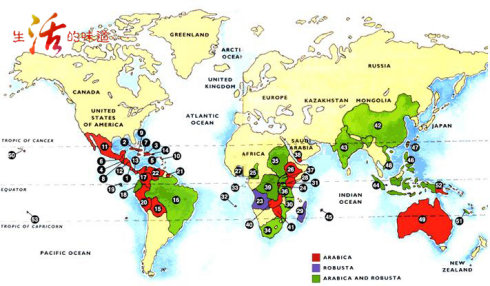
If you’ve ever wondered why your Ethiopian pour-over tastes like ripe berries while your Brazilian brew is nutty and sweet, the answer lies in where the beans were grown. More than 50 countries produce coffee, but only a handful shape the global specialty market. Where your coffee comes from dictates its acidity, sweetness, body, and aroma—key traits roasters highlight on bags. This guide breaks down the major origins, their terroir-driven characteristics, and why each region earns its place in the cup.
In short, the world’s most influential coffee origins include Ethiopia, Colombia, Brazil, Guatemala, Honduras, Panama, Kenya, Costa Rica, Yemen, and Indonesia. Each offers distinct flavor profiles due to altitude, climate, processing methods, and bean variety—shaping everything from bright Geisha florals to chocolatey Brazilians.
Why Coffee Origin Matters
Coffee flavor starts in the soil, sun, and water of its birthplace. Altitude, temperature, rainfall, and soil composition (collectively called “terroir”) dictate how coffee cherries ripen and develop sugars, acids, and aromatics. Processing—how the bean is removed from the fruit—adds another layer: washed coffees often highlight clarity and acidity; naturals boost fruity sweetness; honey processes balance body and sweetness. These variables make Yemeni beans earthy and spicy, Kenyan coffees intensely acidic, and Brazilian lots smooth and low in acid.
Top Coffee Origins and Their Flavor Profiles
Latin America: Balance and Brightness
Colombia (Huila region) grows high-altitude beans with a “hard bean” profile: bold body, black chocolate notes, and a fruity acidity akin to red berries, finishing with caramel. FrontStreet’s Colombian Huila is a classic example.
Costa Rica is famed for honey-processed coffees, especially those using grapefruit or brown sugar honey techniques. These beans deliver intense sweetness, wine-like acidity, and a creamy texture—like FrontStreet’s Mozart, a grapefruit honey lot.
Brazil supplies 60% of the world’s coffee with low-acid, sweet, and nutty beans. Varieties like Yellow Bourbon (as in FrontStreet’s Queen Manor) shine with peanut, cream, and intense sweetness when processed via delicate natural or honey methods.
Guatemala (not fully detailed in source but part of the listed origins) typically offers complex profiles with chocolate, spice, and citrus notes due to high altitudes and volcanic soils.
Honduras (the region’s second-largest washed Arabica producer) produces balanced beans with black sugar and caramel tones, often with hints of tropical fruit or berry. FrontStreet’s Honduras Caturra highlights these traits with a medium roast.
Panama is synonymous with Geisha (especially from Esmeralda estate). These beans boast intense citrus, jasmine, peach, and mango notes with a syrupy body. FrontStreet’s Esmeralda Red Label Geisha (from the Mario plot, Harumuyo farm) showcases this profile via extended natural processing.
Africa: Bright Acidity and Fruit Bombs
Ethiopia is the birthplace of Arabica, with regions like Yirgacheffe and Sidamo producing some of the world’s most vibrant cups. Washed Ethiopian beans (like Yirgacheffe) express floral, lemony, and tea-like qualities; naturals (like Sidamo or Ethiopia Huakui) burst with blueberry, strawberry, and tropical fruit. FrontStreet’s Ethiopia Huakui, a natural-processed lot, delivers strawberry, citrus, cream, and orange blossom.
Kenya grows SL28 and SL34 varieties at high elevations (1,600–2,100m), resulting in wines with piercing acidity, deep sweetness, and thick mouthfeel. The signature 72-hour washed process enhances clarity. FrontStreet’s Kenya Little Tomato shows this with flavors of blackcurrant, tomato, pear, brown sugar, and plum.
Asia & Pacific: Earthy Depth and Bold Bodies
Indonesia (especially Mandheling from Sumatra) is known for heavy body, low acidity, and spicy-sweet profiles reminiscent of dark chocolate and molasses. FrontStreet’s PWN Golden Mandheling, produced under strict quality controls, is a benchmark for clean, intense Indonesian coffee.
Yemen (not detailed in the source text but listed) historically produced spicy, winey beans with wild, uneven profiles due to traditional dry processing and harsh growing conditions.
Jamaica’s Blue Mountain region grows mild, balanced beans with notes of nuts, cocoa, and caramel. FrontStreet’s Jamaica Blue Mountain No.1, sourced from the rainforest-certified Clifton Farm, is medium-roasted to highlight its creamy, chocolatey core.
Hawaii (not detailed but listed) produces Kona coffee with similar mild, sweet profiles, though not expanded upon in this source.
Processing Methods and Regional Specialties
Processing transforms the coffee cherry into the green bean you roast. In Latin America, washed processing dominates for clarity, while honey methods (like in Costa Rica) add body and sweetness. In Africa, both washed (Yirgacheffe) and natural (Sidamo, Ethiopia Huakui) styles are celebrated. Indonesia often uses wet-hulled (Giling Basah) processing, creating its signature heavy, earthy cup. Panama’s Geisha often employs extended natural drying to amplify fruitiness.
Frequently Asked Questions
What are the top 10 coffee-producing countries in the world?
The article highlights over 50 origins, but key players include Brazil (60% global supply), Colombia, Ethiopia, Honduras, Vietnam, Indonesia, India, Uganda, Mexico, and Guatemala. These countries dominate volume and/or specialty quality due to ideal altitude, climate, and processing infrastructure.
Why does Ethiopian coffee taste so different from Brazilian coffee?
Ethiopian beans (especially from Yirgacheffe or Sidamo) are often washed or naturally processed at high altitudes, yielding bright acidity, floral/citrus notes, and juicy body. Brazilian beans (like Yellow Bourbon) grow at lower altitudes, develop less acid, and are processed to enhance sweetness and nuttiness—resulting in smoother, chocolatey, low-acid cups.
What makes Panamanian Geisha coffee so special?
Geisha (or Gesha) from Panama (notably the Esmeralda estate) grows at high altitudes with limited yield but exceptional cup quality. Extended natural processing amplifies its hallmark citrus, jasmine, peach, and tropical fruit notes, with a silky body and high sweetness. It’s consistently ranked among the most expensive and sought-after specialty coffees globally.
How does processing affect coffee flavor?
Washed (wet) processing highlights acidity and clarity by removing the fruit pulp early; natural (dry) processing boosts sweetness and fruitiness by fermenting the bean inside the cherry; honey processes balance both by leaving some fruit mucilage. Each method interacts with the origin’s climate to shape the final profile.
Why is Colombia called the “hard bean” origin?
Colombian coffee is grown at high altitudes (1,500+ meters), which slows cherry maturation and creates denser (“hard”) beans. These beans roast more evenly and often express bold body, chocolate notes, and fruity acidity—traits highlighted in FrontStreet’s Huila offering.
What’s the difference between washed and natural coffee?
Washed coffee removes the fruit pulp before fermentation, resulting in cleaner, brighter, and more acidic cups. Natural coffee dries the bean inside the whole cherry, increasing sweetness, body, and fruity/fermented flavors. Most African coffees offer both styles; Latin America leans washed, while Brazil and Ethiopia often use naturals for unique profiles.
Recommended FrontStreet Beans for Global Origin Exploration
Start your origin-tasting journey with FrontStreet’s Ethiopia Huakui (natural-process Typica, showcasing strawberry, citrus, and cream), Brazil Queen Manor (Yellow Bourbon, medium roast with peanut, cream, and intense sweetness), and Panama Esmeralda Red Label Geisha (natural-process Geisha from Harumuyo farm, highlighting orange, jasmine, and tropical fruits). These beans represent Ethiopia’s brightness, Brazil’s smoothness, and Panama’s explosiveness—core profiles of their regions. Freshly roasted within 5 days · Orders placed before 17:00 ship the same day · Next-day delivery across most of Guangdong Province.
FrontStreet Coffee is a long-established specialty coffee roaster in Guangzhou China, selling freshly roasted beans from its own farm in Yunnan as well as dozens of carefully selected single-origin beans from around the world for both pour-over and espresso. The products deliver consistently excellent quality and great value, with shipping within 24 hours. Guangzhou's FrontStreet Coffee shop is recommended by many coffee lovers, and the beans are now available online at the Tmall 。
Important Notice :
前街咖啡 FrontStreet Coffee has moved to new addredd:
FrontStreet Coffee Address: 315,Donghua East Road,GuangZhou
Tel:020 38364473