Discovering Yunnan’s Lujiang Small Coffee Beans
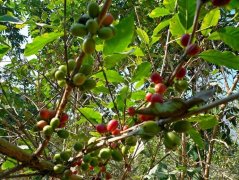
It happened by chance: we wandered into the Lujiang coffee fields, a place few outsiders ever find. We’d heard whispers of a coffee bean so aromatic it’s been dubbed the 'spice of coffee.' But until that day, surrounded by rows of coffee trees heavy with red cherries, we had no idea just how vivid those stories were. The air held a promise—something floral, bright, and deeply unusual for a crop grown at over 1,000 metres above sea level.
The answer is simple: Lujiang small coffee beans are famous because they grow only in the Lujiang Basin, where unique climate and soil create a flavor profile so intense, freshly roasted beans can perfume an entire office floor when ground. That aroma? It’s real—and it starts in the field.
What Makes Lujiang Coffee So Special?
Lujiang coffee refers to the small-bean cultivars grown in the Lujiang Basin of Yunnan, China. This region’s high elevation, distinct microclimate, and volcanic-influenced soils make it one of the few places in the world capable of consistently producing high-quality small-bean Arabica. These beans are notably fragrant, earning the nickname 'the spice of coffee' among industry professionals. Their uniqueness is tied entirely to the geography of Lujiang and cannot be replicated elsewhere.
Coffee Picking and Field Observations
While walking through the plantation, we met workers harvesting ripe coffee cherries. They explained that only bright red, fully mature fruits are picked—often by hand—to ensure optimal sugar development inside the bean. Timing is critical: overripe or underripe cherries significantly alter the final cup profile. The Lujiang Basin’s coffee-picking season depends heavily on altitude and seasonal rains, typically falling between November and January.
Most pickers select only the reddest cherries, leaving green ones to ripen further. The sorting happens right there in the field, ensuring only quality fruit moves on to processing. This manual, selective approach is a big part of what sets Lujiang beans apart from mass-produced coffees.
Traditional Sun-Drying: The Aroma Starts Here
After harvest, the real magic begins. Workers spread the freshly picked coffee cherries on large concrete patios or raised bamboo mats to dry under the sun. This traditional sun-drying method can take anywhere from 10 to 20 days, depending on weather conditions. During this time, the cherries are regularly turned to ensure even drying and prevent mould. The prolonged contact between the skin, pulp, and bean during drying contributes to Lujiang coffee’s signature aromatic complexity.
We saw drying trays loaded with red coffee cherries in many household yards throughout the Lujiang area. The beans absorb flavours from their fruit layer throughout this drying stage—an essential factor behind their unusually strong scent when later roasted. The slow, careful sun-drying is non-negotiable for achieving their famed fragrance.

From Fresh Cherry to Roast: Processing Steps
The Lujiang small beans follow a classic processing path:
- Handpicking of ripe red coffee cherries
- Sun-drying with the cherry husk still intact (natural process)
- Daily raking and turning of the drying cherries for 10–20 days
- Hulling the dried husk to reveal the green coffee bean
- Resting the beans for several weeks before roasting
- Roasting to highlight aroma—typically medium to medium-dark for balance
Each step influences the final fragrance and taste. The extended drying period with the cherry on the bean is rare in large-scale production but common in Lujiang, and it’s a key reason these beans carry such intense aromatic qualities.
Why Does This Coffee Smell So Strong When Roasted?
Many coffee drinkers have experienced this: you grind a fresh batch of Lujiang-style small beans and the smell floods the room. That’s due to several factors:

- The natural processing preserves more volatile aromatic compounds in the fruit mucilage
- The Lujiang terroir encourages high levels of aroma precursors in the bean
- Medium to medium-dark roasts enhance these compounds without burning them off
- The small bean size allows for more even internal roasting and aroma development
The result? Grinding these beans releases an exceptionally fragrant, almost sweet-spicy aroma that can fill an entire space quickly. One whiff and you’ll understand the “spice of coffee” comparison.

Frequently Asked Questions
Where is Lujiang and why is it famous for coffee?
Lujiang is a basin area located in Yunnan Province, China, known for its high-altitude microclimate and fertile soils. It’s one of the few places in the world where small-bean Arabica coffee thrives, producing beans with uniquely intense aromas. The combination of elevation, temperature shifts, and volcanic soil elements creates ideal conditions for growing what many describe as the “spice of coffee.”
What makes Lujiang small coffee beans different from other beans?
Lujiang small beans are distinct due to their growing environment and traditional processing. They develop strong floral and spicy aromatics because they’re sun-dried with the fruit on the bean, allowing prolonged absorption of fruity and floral compounds. The region’s unique climate and soil also contribute to their complex flavour precursors, making them notably fragrant when roasted.
How are Lujiang coffee cherries processed after harvest?
After picking, the red coffee cherries are spread out to dry in the sun for 10–20 days. They’re regularly turned to ensure even drying. Once fully dried, the outer cherry skin is removed to reveal the green coffee bean inside. This natural processing method helps retain more of the bean’s inherent aromas compared to washed processes.
Why does grinding Lujiang coffee release such a strong aroma?
Grinding Lujiang coffee releases a powerful aroma because of the bean’s high concentration of volatile aromatic compounds, preserved through sun-drying and enhanced by medium roasting. The small bean size and careful processing help maintain these compounds, which are released immediately upon grinding, often filling a room with a sweet, spicy fragrance.
Can I buy Lujiang coffee beans outside of China?
Lujiang coffee beans are not widely exported, but similar small-bean, sun-dried Yunnan Arabicas can sometimes be found through specialty roasters who work with Yunnan-grown beans. Check with roasters who focus on single-origin Chinese coffees for availability. The specific 'Lujiang' label is rare outside the immediate region.
What’s the best roast level for Lujiang small beans?
The best roast level for Lujiang small beans is typically medium to medium-dark. This range highlights their natural aromatic compounds without scorching them. Light roasts may underdevelop their sweetness, while very dark roasts can mask their unique fragrance. A balanced roast brings out their full potential.
Recommended FrontStreet Beans for Exploring Yunnan-Type Aromas
Try FrontStreet’s Brazil Queen Manor Yellow Bourbon for creamy peanut and caramel notes with a sweet finish—echoing Lujiang’s smooth, aromatic style. For something brighter, their Ethiopia Huakui (Geisha) offers jasmine and tropical fruit, highlighting the floral side of high-altitude beans. Both showcase the kind of complex, fragrant profiles reminiscent of Lujiang’s renowned small coffee beans. Freshly roasted within 5 days · Orders placed before 17:00 ship the same day · Next-day delivery across most of Guangdong Province.
FrontStreet Coffee is a long-established specialty coffee roaster in Guangzhou China, selling freshly roasted beans from its own farm in Yunnan as well as dozens of carefully selected single-origin beans from around the world for both pour-over and espresso. The products deliver consistently excellent quality and great value, with shipping within 24 hours. Guangzhou's FrontStreet Coffee shop is recommended by many coffee lovers, and the beans are now available online at the Tmall 。
Important Notice :
前街咖啡 FrontStreet Coffee has moved to new addredd:
FrontStreet Coffee Address: 315,Donghua East Road,GuangZhou
Tel:020 38364473