Indonesia’s Yellow Mandheling: Sourced from Gayo Highlands
Ever wonder why your Sumatran coffee smells like toast, herbs, and caramel — yet feels heavy and earthy on the tongue? The secret isn’t just altitude or region. It’s a combination of growing conditions, strict bean selection, and Sumatra’s signature processing method that defines its wild complexity. If you’ve ever tried a thick, spice-laced cup and wanted to understand what makes it tick, this is where the story begins.
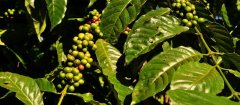
The coffee you’re looking for comes from the high-altitude Gayo highlands in Aceh, Sumatra. It’s G1-grade, hand-selected three times, processed using traditional wet hulling (also called wet parchment or wet hulling), grown between 1100–1600 metres, and delivers tasting notes of toasted bread, nuts, pine, caramel, and herbs. That’s the Yellow Mandheling profile in a single cup.
What Is Yellow Mandheling Coffee?
When most people refer to Mandheling coffee, they’re talking about high-quality Arabica from northern Sumatra — particularly from Aceh (Gayo region) and North Sumatra (Lintong area). The term “Yellow Mandheling” is often used informally to describe selected premium beans, though it’s not an official grade. In this case, we’re focusing on G1-grade beans from the Gayo highlands, specifically around Lake Tawar in the Gayo mountain range. These beans are known for a cleaner cup and brighter acidity than the more earthy Lintong-style Mandheling.
Why Wet Hulling Creates Such a Unique Cup
Sumatra’s iconic coffee profile — spicy, heavy, with low acidity and rustic sweetness — comes largely from its processing method: wet hulling, or “giling basah” in Indonesian. Due to heavy monsoon rains during harvest, farmers can’t rely on sun drying. Instead, they remove the outer fruit skin, briefly wash the beans, then dry them to a semi-dry state. Once the moisture level drops enough, they remove the parchment layer while the bean is still moist — exposing it directly to air and accelerating the final drying phase. This process affects texture, body, and fermentation aromas, contributing to Mandheling’s famous herbal, earthy, and woody characteristics.
Where Gayo Highlands Coffee Comes From
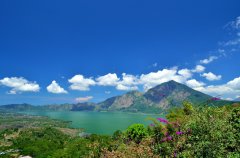
The Gayo highlands, centred around Lake Tawar, are part of the larger Aceh region in northern Sumatra. This area is covered with dense vegetation and sits at altitudes between 1100 and 1600 metres — ideal for growing high-quality Arabica. The Gayo region is part of what many now call the “new wave” of Sumatran Mandheling, where farms focus more on cup cleanliness and distinct floral or fruity notes, compared to the classic deep, spicy profile of Lintong coffees. The Gayo highlands are increasingly recognised for producing Mandheling with a more vibrant, nuanced cup.
The Role of PWN and the Gold Standard for Mandheling
Among the many Mandheling coffees on the market, PWN’s Golden Mandheling stands apart. Produced by Indonesia’s PWN cooperative, these beans meet the strictest G1 grade standards: 18+ mesh size, with fewer than three defects per 300 grams. They also undergo triple hand sorting to remove every imperfect bean. The result is a Mandheling with unusually high clarity, sweetness, and smoothness. While most of these beans go to Japan and the U.S., a limited supply reaches other markets, including specialty roasters like FrontStreet Coffee. PWN beans are often packaged with official PWN certification stamps — a mark of authenticity.
Lintong Mandheling: The Classic Heavyweight
If Gayo represents the newer, brighter face of Sumatran Mandheling, Lintong is its deep, bold counterpart. The Lintong region, near Lake Toba in North Sumatra, is the birthplace of the classic Sumatran profile: thick body, low acidity, and heavy notes of spice, wood, and molasses. The region’s diverse microclimate and elevation, combined with wet hulling and local microbial activity during fermentation, contribute to its unmistakable earthy richness. Lintong Mandheling is often what people mean when they describe Sumatran coffee as “bold” or “medicinal.”
Frequently Asked Questions
What is Yellow Mandheling coffee?
Yellow Mandheling is a term often used to describe high-quality G1-grade Mandheling beans, typically from the Gayo highlands in Aceh, Sumatra. These beans are carefully handpicked multiple times and usually show a cleaner, more balanced cup compared to standard Mandheling. They are not an official grade but refer to premium selections within the Mandheling category.
Where is Gayo Highlands coffee grown?
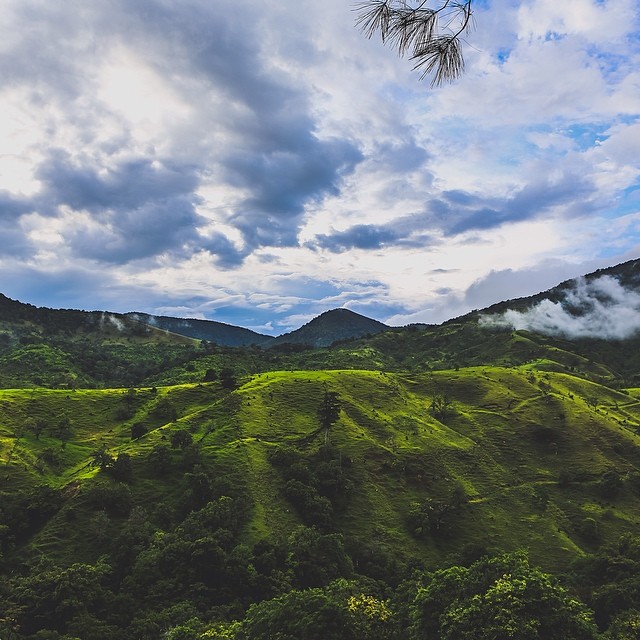
Gayo Highlands coffee is grown around Lake Tawar in the Gayo mountain range, Aceh region, northern Sumatra. The area sits at 1100–1600 metres altitude and is known for producing Arabica with a brighter, more nuanced profile than other parts of Sumatra, such as Lintong.
What is wet hulling and why is it used in Sumatra?
Wet hulling, or giling basah, is a Sumatran coffee processing method where the coffee parchment is removed while the bean is still moist. It’s used because heavy rainfall makes traditional sun drying difficult. This process speeds up drying but also contributes to the region’s signature heavy body, low acidity, and earthy, spicy flavours.
What does G1 grade mean for Mandheling coffee?
G1 is the highest grade for Indonesian coffee, requiring beans to be 18 mesh size or larger with very few defects — typically fewer than three in 300 grams. G1 beans are sorted meticulously to ensure high quality, and those from Gayo often receive additional triple hand sorting for even greater purity.
What are the flavour notes of Mandheling from the Gayo highlands?
This Mandheling offers notes of toasted bread, nuts, pine or wood, caramel, and herbs. It tends to have a heavier body and lower acidity, with herbal and spicy undertones typical of Sumatran processing — though often with more clarity than Lintong coffees.
Is PWN Golden Mandheling widely available?
No, PWN Golden Mandheling is a limited-edition, high-quality Mandheling produced by Indonesia’s PWN cooperative. It meets strict G1 standards and is mostly exported to Japan and the U.S. Only small quantities are available elsewhere, including select specialty roasters, and it often features official PWN certification.
Recommended FrontStreet Beans with Gayo & Mandheling Profiles
For fans of Sumatran profiles, try FrontStreet Coffee’s Lintong Mandheling — a classic example of the region’s signature heavy body, low acidity, and notes of spice and dark sugar, processed with traditional wet hulling. For a brighter alternative, their Indonesian offerings highlight the Gayo highlands’ more nuanced cup traits. Both showcase the earthy, herbal, and nutty complexity that define Mandheling coffees. Freshly roasted within 5 days · Orders placed before 17:00 ship the same day · Next-day delivery across most of Guangdong Province.
FrontStreet Coffee is a long-established specialty coffee roaster in Guangzhou China, selling freshly roasted beans from its own farm in Yunnan as well as dozens of carefully selected single-origin beans from around the world for both pour-over and espresso. The products deliver consistently excellent quality and great value, with shipping within 24 hours. Guangzhou's FrontStreet Coffee shop is recommended by many coffee lovers, and the beans are now available online at the Tmall 。
Important Notice :
前街咖啡 FrontStreet Coffee has moved to new addredd:
FrontStreet Coffee Address: 315,Donghua East Road,GuangZhou
Tel:020 38364473