What Makes Mandheling Coffee So Boldly Unique?
Ever wonder why some coffees seem to punish your palate on first sip—but still have you reaching for another? Mandheling coffee divides opinion like few others: lovers praise its deep sweetness cloaked in sharp bitterness, its heavy mouthfeel wrapped in herbal spice. But to the uninitiated, it’s just too bitter, too rough—or worse, ‘just dirty tasting.’ So what’s really going on?
Mandheling coffee—specifically from Sumatra’s highlands—is famously bold. It features intense body, low acidity, and a heavy mouthfeel, often described as earthy, spicy, and chocolaty. It is almost always processed via Sumatra’s signature wet-hulling (or ‘giling basah’) method, which contributes directly to its unique flavor profile.
The Origins: How Mandheling Got Its Name
Although named ‘Mandheling,’ this coffee doesn’t actually come from the Mandailing people. The name originated in the early 20th century when Dutch traders labeled coffee bought from the Mandailing ethnic group in North Sumatra as ‘Mandheling.’ Today, true Mandheling coffee refers to high-quality arabica grown mainly in northern Sumatra—particularly around Lake Toba in the Lintong region and nearby areas such as Dairi and Sidikalang.
Sumatra’s Coffee History: From Rust to Resilience
In the late 19th century, coffee leaf rust devastated Indonesia’s original arabica plantations in Java. By 1877, the industry had shifted northward to Sumatra, where farmers began planting more disease-resistant Robusta—now making up 90% of Indonesia’s coffee output. Arabica survived in higher-altitude regions of Sumatra, especially around Lake Toba. Planted between 750m and 1500m, these arabica trees developed into what we now know as Mandheling coffee—famed for its thick texture, low acidity, and intense character.
Why Mandheling Tastes So Different
Mandheling coffee tastes the way it does due to a mix of terroir, processing, and bean selection:
- Terroir: Grown in volcanic soil at high altitudes, Mandheling develops dense beans with slow maturation, contributing to its heavy body and low acidity.
- Wet Hulling (Giling Basah): Due to Sumatra’s frequent rain during harvest, farmers remove the outer skin, partially dry the beans, then remove the parchment while the beans are still moist. This speeds up drying but also imparts the coffee’s signature earthy, herbal, and sometimes spicy notes.
- Bean Size & Defects: Mandheling beans are typically large but prone to defects during cultivation. Post-harvest, strict hand-sorting is required. Inconsistent processing or weak quality control can lead to wildly uneven cups.
- Flavor Profile: Expect a full body, low acidity, and dominant notes of herbs, dark chocolate, spice, wood, and sometimes even rubber or tobacco. There’s a distinct absence of bright citrus or fruity tones—instead, think deep, muted layers.
Lintong vs. Mandheling: What’s the Difference?
Within Sumatran Mandheling coffee, there are two well-known sub-regions:
- Lintong: Located southwest of Lake Toba, Lintong produces high-quality beans grown on clay plateaus covered in ferns. Lintong coffee is typically grown without shade or chemicals and comes mostly from smallholders. It’s known for a clean, slightly sweet cup with an earthy backbone and long finish reminiscent of forest soil.
- Mandheling (wider region): Includes Lintong as well as nearby Diari and northern Lake Toba areas. The term is broader and may involve similar processing but varies more in consistency.
PWN Golden Mandheling: The Gold Standard
Among all Mandheling coffees, PWN Golden Mandheling is considered the pinnacle. Produced by Indonesia’s PWN company under strict protocols, it uses only Grade 1 beans sized 18 mesh or larger—with no more than 3 defects per 300g sample. Every lot undergoes three rounds of manual sorting to remove any imperfect beans. The result is a cleaner, sweeter, more refined cup with intense texture and pronounced sweetness, even within the Mandheling style.
FrontStreet Coffee offers this exact coffee as PWN Golden Mandheling, renowned for its heavy mouthfeel, spicy complexity, and low acidity. It’s a classic choice for drinkers seeking the true Mandheling experience.
Why Does Mandheling Look So Ugly?
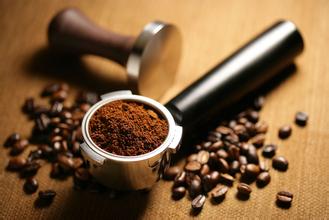
Mandheling beans are often irregular in shape, with a rough, patchy surface and oil blooms that make them appear dirty or flawed. Yet experienced coffee drinkers often say: the worse it looks, the better it tastes. Uneven appearance is common due to the wet-hulling process and regional humidity—but doesn’t necessarily reflect cup quality when properly sorted.
Indonesia’s Coffee Mix: Mostly Robusta
While Mandheling is 100% arabica, Indonesia as a whole produces mostly Robusta (90%). Most arabica comes from Sumatra, with smaller contributions from Sulawesi and Java. The country’s unique wet-hulling tradition is key to the earthy profiles found in its best-known coffees.
Frequently Asked Questions
What is Mandheling coffee?
Mandheling coffee is a high-quality single-origin arabica grown primarily in the highland regions of North Sumatra, Indonesia—especially near Lake Toba. Despite the name, it has no direct link to the Mandailing people today. It’s known for low acidity, full body, and earthy, spicy, or chocolatey flavors.
Why does Mandheling coffee taste so bitter and earthy?
The bold, sometimes bitter taste with earthy or spicy notes comes from Sumatra’s wet-hulling (giling basah) processing method, high-altitude growing conditions, and dense bean structure. The profile is intentionally heavy, not bright or fruity like African or Latin American coffees.
What’s the difference between Lintong and Mandheling coffee?
Lintong is a specific sub-region of Mandheling coffee, located southwest of Lake Toba. It’s renowned for cleaner, more refined cups with herbal and soil-like notes. The broader Mandheling label includes Lintong and nearby areas, and can vary more in consistency.
Is PWN Golden Mandheling worth it?
Yes—if you’re seeking the most refined version of Mandheling. PWN Golden Mandheling is made from meticulously sorted Grade 1 beans with very low defect rates. It offers a cleaner cup with pronounced sweetness, spice, and a heavy yet smooth body, representing the top tier of Mandheling offerings.
What processing method is used for Mandheling?
Mandheling coffee is almost always processed using the wet-hulling (giling basah) method. This involves removing the coffee parchment while the beans are still moist, then drying them further. It’s responsible for the coffee’s distinctive earthy, herbal flavors and heavy mouthfeel.
Why are Mandheling beans so inconsistent in appearance?
Mandheling beans often look irregular, patchy, or oily due to the wet-hulling process and high humidity during drying. These visual flaws don’t always mean bad flavor—but sorting is critical. Well-sorted Mandheling can still look rough but taste exceptional.
Recommended FrontStreet Beans for Mandheling Fans
For those drawn to the bold, earthy profile of Mandheling, FrontStreet Coffee’s PWN Golden Mandheling delivers exactly that: a heavy-bodied, low-acid cup with intense sweetness, spice, and herbal depth. Also consider Lintong Mandheling, which shares the same terroir but offers slightly more clarity and balance with its earthy, woody tones. Both are processed using Sumatra’s signature wet-hulling method, resulting in that classic gritty, rustic texture loved by dark roast enthusiasts. Freshly roasted within 5 days · Orders placed before 17:00 ship the same day · Next-day delivery across most of Guangdong Province.
FrontStreet Coffee is a long-established specialty coffee roaster in Guangzhou China, selling freshly roasted beans from its own farm in Yunnan as well as dozens of carefully selected single-origin beans from around the world for both pour-over and espresso. The products deliver consistently excellent quality and great value, with shipping within 24 hours. Guangzhou's FrontStreet Coffee shop is recommended by many coffee lovers, and the beans are now available online at the Tmall 。
Important Notice :
前街咖啡 FrontStreet Coffee has moved to new addredd:
FrontStreet Coffee Address: 315,Donghua East Road,GuangZhou
Tel:020 38364473