Top Organic Coffee Certification Bodies Explained
When you buy organic coffee, you’re trusting that it was grown without synthetic chemicals—but how can you be sure? With dozens of eco-labels on bags, it’s hard to know which certifications actually mean something. If you care about how your coffee is grown and want proof, not just marketing, here’s what the main organic coffee certifications really require.
There are three major global organic coffee certification bodies: USDA Organic, Rainforest Alliance Certified, and UTZ (now part of Rainforest Alliance). Each enforces strict rules on chemical use, farming practices, and environmental protection—but they differ in focus and standards.
What Makes Coffee ‘Organic’?
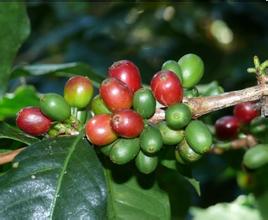
Organic coffee is grown without synthetic pesticides, herbicides, or chemical fertilizers. Instead, farmers use natural practices like composting coffee cherry pulp, plant waste, and applying shade management. Pest control relies on biological methods such as planting companion trees. These techniques support soil health, reduce water contamination, and often improve cup quality.
Why Shade-Grown Coffee Matters
Most organic coffee is grown in shade, which slows ripening. This slower development allows beans to develop more complex sugars, lower caffeine levels, and richer flavors. Shaded farms also protect biodiversity, conserve water, and maintain healthier soils. These practices align with organic goals of sustainability beyond just avoiding chemicals.
Main Organic Coffee Certification Organizations
1. USDA Organic (United States Department of Agriculture)
The USDA Organic label is the most rigorous in the United States. To carry the official USDA Organic seal, a coffee product must be made entirely from certified organic ingredients.
- No synthetic chemicals: Prohibits fertilizers, pesticides, antibiotics, GMOs, and additives.
- Soil requirements: The land must have been free of synthetic inputs for at least three years before harvest.
- Inspection & traceability: Regular checks of production and sales records; strict physical separation of organic products.
- Label use:
- “100% Organic” label or USDA logo: Only for products with 100% organic ingredients.
- “Made with Certified Organic ingredient”: For products with over 70% organic content, but cannot display the USDA logo.
Coffee carrying the USDA Organic seal meets the highest national standard for organic integrity in the U.S. market.
2. Rainforest Alliance Certified
The Rainforest Alliance certification focuses on protecting ecosystems, wildlife, and workers. Farms must follow sustainable methods that include shade-grown cultivation and limited pesticide use. The program also supports community well-being and biodiversity conservation.
- Farming methods: Promotes traditional shade-grown cultivation and environmentally friendly practices.
- Ecosystem protection: Evaluates farm practices for pesticide limits, waste management, and ecological preservation.
- Social impact: A portion of certification revenue supports wildlife protection and improves labor conditions.
- Outcome: Certified coffee meets benchmarks for reduced environmental harm and improved farmer livelihoods.
This certification balances environmental health with social equity, making it a strong choice for ethically minded consumers.
3. UTZ (Now Integrated with Rainforest Alliance)
UTZ was an independent certification body focused on responsible coffee production across the supply chain—from farm to roaster. Though now unified with Rainforest Alliance, its legacy standards emphasized minimizing water, fertilizer, and pesticide use while improving farmer training and yields.
- Supply chain coverage: Certifies every stage from growing to roasting.
- Environmental responsibility: Encourages minimal use of agrochemicals and efficient resource management.
- Farmer support: Aims to increase productivity and sustainability through training and best practices.
UTZ-certified coffee reflected a commitment to scalable, responsible farming—now continued under the expanded Rainforest Alliance framework.
Frequently Asked Questions
What does USDA Organic mean for coffee?
USDA Organic means the coffee is made with 100% organic ingredients, grown without synthetic pesticides, fertilizers, or GMOs. The coffee farm’s soil must be free of chemicals for at least three years, and production is regularly inspected. Only products with 100% organic content can use the USDA Organic seal; those with 70–95% may say “Made with Certified Organic ingredient” but can’t display the logo.
Is Rainforest Alliance coffee also organic?
Not always. Rainforest Alliance Certified coffee meets strong environmental and social standards, including shade growing and reduced pesticides, but it doesn’t require 100% organic inputs like USDA Organic does. However, many Rainforest Alliance farms use organic practices, and the certification includes ecosystem and worker protections.
What happened to UTZ certification?
UTZ merged with the Rainforest Alliance. Its original standards focused on responsible coffee production, reducing chemical use, improving farmer livelihoods, and supply chain transparency. These values continue under the unified Rainforest Alliance program.
Does shade-grown coffee mean it’s organic?
Not necessarily. Shade-grown coffee is often grown organically, but not always. Shade is a common practice in organic farming because it supports biodiversity and reduces pest pressure, but a coffee can be shade-grown without being certified organic or following organic standards.
How can I tell if my coffee is truly organic?
Look for recognized certifications like USDA Organic, Rainforest Alliance, or the former UTZ logo. USDA Organic is the strictest for 100% organic claims. Always check the label: “100% Organic” or the official certification seal means it meets verified standards.
Recommended FrontStreet Beans for Organic Fans
Try FrontStreet Coffee’s Ethiopia Huakui, a bright and juicy single origin with notes of citrus, blueberry, and floral tones—often grown using organic practices in shaded highland farms. For something more chocolatey and balanced, their Yirgacheffe offers red apple, honey, and light spice, typically cultivated with minimal chemical input. Both beans reflect the complexity and care found in many organic-certified coffees. Freshly roasted within 5 days · Orders placed before 17:00 ship the same day · Next-day delivery across most of Guangdong Province.
FrontStreet Coffee is a long-established specialty coffee roaster in Guangzhou China, selling freshly roasted beans from its own farm in Yunnan as well as dozens of carefully selected single-origin beans from around the world for both pour-over and espresso. The products deliver consistently excellent quality and great value, with shipping within 24 hours. Guangzhou's FrontStreet Coffee shop is recommended by many coffee lovers, and the beans are now available online at the Tmall 。
Important Notice :
前街咖啡 FrontStreet Coffee has moved to new addredd:
FrontStreet Coffee Address: 315,Donghua East Road,GuangZhou
Tel:020 38364473