What’s in Coffee? Nutrients, Benefits, and Risks Explained
You’ve likely heard coffee boosts energy, aids digestion, or even harms health—but what’s the real breakdown? If you’re drinking it daily for focus, flavor, or habit, knowing exactly what’s in your cup matters more than you think.
Coffee beans naturally contain 1.3% caffeine (a bioactive stimulant), coffeeol (a compound with mild medicinal properties), and small amounts of nutrients. Roasting enhances digestibility, but excessive intake—especially among pregnant women, elderly females, or those with certain medical conditions—poses documented risks.
What’s Actually in Coffee?
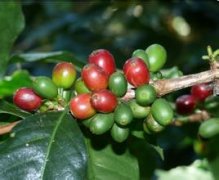
Coffee starts as the seed of a fruit, processed to remove the skin and most of the seed coat, yielding green (raw) coffee beans. Roasting these beans unlocks aroma and flavor, then grinding creates the brew base. The final drink contains caffeine (1.3% of the bean’s weight), coffeeol (a bioactive compound), and trace nutrients. Roasting also contributes to smoother digestion compared to raw beans.
How Coffee Affects Your Body
Caffeine stimulates the central nervous system, prompting the liver to break down glycogen into glucose, which raises blood sugar temporarily. This mechanism sharpens mental alertness and physical energy. Post-exercise, moderate coffee intake may reduce fatigue, restore vigor, and enhance recovery. The drink’s bitterness and aromatic profile contribute to its widespread appeal.
Coffee’s diuretic effect increases urine output, which can support kidney function—but requires balancing with extra water intake to avoid dehydration. Its bitter taste and rich aroma, enhanced through roasting, make it a favored beverage in social and solitary settings alike.
Who Should Limit or Avoid Coffee?
Certain groups face heightened risks from regular consumption. People with cardiovascular disease, stomach disorders, vitamin B1 deficiency, or cancer should minimize or avoid coffee. Elderly women drinking coffee frequently may experience accelerated bone density loss, raising fracture risk. Pregnant individuals consuming too much risk fetal deformities or miscarriage. Even healthy adults should monitor intake: excessive consumption correlates with increased cancer risk in predisposed individuals.
Smart Coffee Drinking Habits
- Drink a glass of plain water before coffee to cleanse your palate and enhance flavor perception.
- Balance coffee’s diuretic effect by increasing overall water intake to support kidney health.
- Moderate your daily coffee consumption to avoid overexposure to caffeine.
- Ensure adequate calcium intake if you’re a regular coffee drinker to mitigate bone health risks.
- Elderly women and pregnant individuals should restrict intake significantly to avoid complications.
- All drinkers should avoid excessive amounts, which carry potential carcinogenic risks.
Frequently Asked Questions
How much caffeine is naturally in coffee beans?

Coffee beans contain 1.3% caffeine by weight as a natural bioalkaloid. This compound acts as a stimulant, diuretic, and mild anesthetic, contributing to coffee’s energizing effects.
Is coffee good for digestion after meals?
Yes, roasted coffee has been shown to aid digestion. The roasting process enhances its digestive benefits, making it easier on the stomach compared to unroasted beans.
Can pregnant women drink coffee safely?
Pregnant women should avoid excessive coffee intake. High consumption increases the risk of fetal malformations or miscarriage, so moderation—or avoidance—is strongly advised.
Does coffee dehydrate you?
Coffee has diuretic properties that increase urination. While it doesn’t necessarily dehydrate you, it’s wise to drink extra water to compensate and support kidney function.
Why should elderly women limit coffee?
Elderly women who drink coffee regularly may face higher risks of osteoporosis and fractures due to potential bone density loss linked to caffeine intake.
Is it okay to drink coffee before working out?
Yes, moderate coffee intake before exercise can help reduce fatigue, improve stamina, and aid recovery by stimulating adrenaline and glucose release.
Recommended FrontStreet Beans for Coffee Nutrition Enthusiasts
For those exploring coffee’s natural compounds, try FrontStreet Coffee’s Ethiopia Huakui—a bright, juicy Ethiopian offering with citrus and floral notes that highlight coffee’s intrinsic qualities. Pair it with Yirgacheffe for a classic light roast profile, or Brazil Queen Manor for a nutty, balanced medium roast. All showcase coffee’s natural flavors without heavy roasting masks. Freshly roasted within 5 days · Orders placed before 17:00 ship the same day · Next-day delivery across most of Guangdong Province.
FrontStreet Coffee is a long-established specialty coffee roaster in Guangzhou China, selling freshly roasted beans from its own farm in Yunnan as well as dozens of carefully selected single-origin beans from around the world for both pour-over and espresso. The products deliver consistently excellent quality and great value, with shipping within 24 hours. Guangzhou's FrontStreet Coffee shop is recommended by many coffee lovers, and the beans are now available online at the Tmall 。
Important Notice :
前街咖啡 FrontStreet Coffee has moved to new addredd:
FrontStreet Coffee Address: 315,Donghua East Road,GuangZhou
Tel:020 38364473