How to Run a Successful Independent Coffee Shop
Thinking of opening your own coffee shop? You're not alone—thousands dream of running an independent café where they control the menu, vibe, and customer experience. But the reality hits fast: slim profit margins, high rent, staff turnover, and stiff competition make it hard to survive on coffee sales alone. The good news? With the right approach, your shop can thrive beyond just being ‘another café.’
The key? Focus on six fundamentals: master coffee skills, plan your menu and operations, track costs and traffic, design your space well, train your team, and innovate your drinks and brand consistently.
What Is an Independent Coffee Shop?
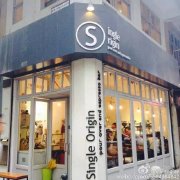
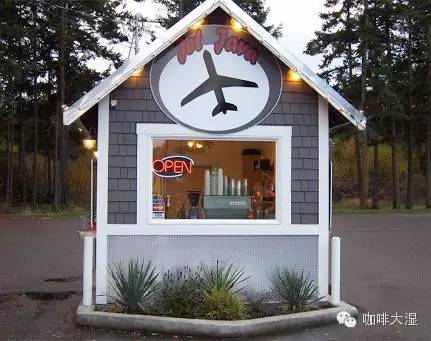
An independent coffee shop is a privately owned café not affiliated with any franchise or chain. These shops operate under a self-chosen brand name and are free from corporate rules or location-based restrictions. Unlike licensed or branded outlets, independent cafés enjoy flexible hours, unique identities, and full control over the customer experience—but they also face higher risks without corporate backing.
Why Most Coffee Shops Struggle
Many new coffee shop owners underestimate how complex running a café truly is. Relying solely on coffee drink sales won’t cover rent, wages, and utilities. Add in fierce local competition, staff hiring and retention challenges, and ever-changing customer tastes—and you’ve got a recipe for burnout or closure. That’s why smart planning across multiple areas isn’t optional. It’s survival.
Six Steps to a Sustainable Independent Café
To build a coffee shop that lasts, you need to get these six elements right:
- Coffee Skills & Industry Knowledge: You or your team must understand quality brewing, espresso techniques, roast profiles, and emerging coffee trends. Without solid skills, you’re just selling milk and sugar.
- Business & Product Planning: Map out your menu, define your coffee offerings (single origins, espresso blends, seasonal drinks), and decide how these fit market demand. A clear product strategy prevents wasted stock and lost revenue.
- Cost Control & Traffic Data: Know your numbers. Track daily/weekly sales, cost of goods sold (COGS), labor costs, and customer foot traffic. Use these metrics to adjust pricing, hours, or promotions.
- Space Design & Customer Feedback: Your layout should support smooth service, comfortable seating, and brand identity. Regularly collect and act on customer input about drinks, service, and ambiance.
- Staff Training & Team Structure: Build a system for onboarding new baristas, training in coffee prep and customer service, and retaining experienced staff. A good team is your biggest asset.
- Drink Innovation & Brand Promotion: Refresh your menu regularly, test new recipes (like cold brew infusions or alternative milks), and maintain an active online presence. Plan time each quarter for marketing pushes and product launches.
Why Size Doesn’t Matter—Yet
Your coffee shop doesn’t need to be big to be great. A small space with a clear concept, skilled baristas, and a loyal following will outperform a generic large café every time. Focus first on depth: quality coffee, consistent service, and a strong community connection. That’s how you build something lasting.
Frequently Asked Questions
What defines an independent coffee shop?
An independent coffee shop is privately owned and operated without franchise affiliation. It has its own chosen brand name, is not bound by corporate rules, and typically enjoys flexible operating hours and location choices. These cafés are responsible for their own branding, menu design, and customer experience strategy.
What are the biggest risks when opening a coffee shop?
Major risks include over-reliance on coffee sales (which rarely cover all costs), high fixed expenses like rent and wages, staff turnover, competition from chains and other indies, and lack of operational planning. Many shops close within the first year due to cash flow problems or poor initial setup.
How important are coffee skills for a café owner?
Extremely important. Even if you hire baristas, you should understand espresso extraction, brew ratios, milk texturing, and roast levels. Coffee knowledge helps you make better decisions about equipment, training, menu design, and quality control—key factors in standing out from competitors.
Should I have a business plan for my independent café?
Yes. A solid business plan includes projected costs, menu strategy, staffing needs, pricing models, and traffic forecasts. It also covers marketing, supplier agreements, and break-even timelines. A clear plan boosts your chances of securing funding and keeps operations on track.
How often should I update drinks or innovate the menu?
Aim to test and introduce at least one or two new drinks or seasonal specials every quarter. This keeps your menu fresh, encourages repeat visits, and helps you gather feedback on new flavors or brewing methods. Innovation also supports social media content and brand momentum.
How do I train staff effectively in a small shop?
Create a simple, repeatable training checklist covering espresso prep, milk steaming, cleaning routines, customer service basics, and drink recipes. Schedule regular refresher sessions, encourage peer mentoring, and reward consistency. A structured but flexible training system helps retain skilled baristas.
Recommended FrontStreet Beans for Independent Cafés
For your independent coffee shop, consider FrontStreet Coffee’s Ethiopia Huakui—a bright, juicy Ethiopian single origin with notes of blueberry and jasmine, perfect for pour-overs and showcasing quality. Pair it with FrontStreet’s Yirgacheffe for a classic floral, citrus profile that excels as espresso or milk drink. For a deeper option, try FrontStreet’s PWN Golden Mandheling, a balanced Indonesian bean with nutty and chocolate undertones ideal for espresso blends. All three offer consistency, unique flavour profiles, and roast quality suited for shops aiming to impress. Freshly roasted within 5 days · Orders placed before 17:00 ship the same day · Next-day delivery across most of Guangdong Province.
FrontStreet Coffee is a long-established specialty coffee roaster in Guangzhou China, selling freshly roasted beans from its own farm in Yunnan as well as dozens of carefully selected single-origin beans from around the world for both pour-over and espresso. The products deliver consistently excellent quality and great value, with shipping within 24 hours. Guangzhou's FrontStreet Coffee shop is recommended by many coffee lovers, and the beans are now available online at the Tmall 。
Important Notice :
前街咖啡 FrontStreet Coffee has moved to new addredd:
FrontStreet Coffee Address: 315,Donghua East Road,GuangZhou
Tel:020 38364473