Sumatra Mandheling: Indonesia’s Bold Island Coffee
If you’ve ever wondered why certain Indonesian coffees feel so thick, earthy, and almost syrupy in the cup — especially those labeled ‘Mandheling’ — you’re not alone. Many coffee drinkers are curious about what sets Sumatran Mandheling apart from other origins, and why it’s such a staple for dark roasts and espresso blends.
Sumatra Mandheling coffee primarily comes from two regions: Lake Toba in North Sumatra (Lintong) and Lake Tawar in Aceh (Gayo). These are known collectively as the 'Two-Lake Mandhelings' — both deliver bold, full-bodied cups, though Lintong tends to be deeper and more herbal, while Gayo can show brighter fruit and woody notes.
What Is Mandheling Coffee, Really?
Despite being called ‘Mandheling,’ this coffee isn’t named after a bean variety or processing method. The name actually comes from a World War II-era misunderstanding. A Japanese soldier tasted a rich, memorable coffee in Indonesia and asked for its name. The shopkeeper thought he was asking where the soldier was from and answered ‘Mandheling.’ The soldier later arranged for 15 tons of this coffee to be sent to Japan — and the name stuck.
The Two-Lake Mandheling Difference
Within Sumatra’s Mandheling coffee, there are notable regional distinctions:
- Lake Toba (Lintong): Produces a heavier, more muted cup with earthy, herbaceous qualities. Notes of herbal liqueur or grass are common.
- Lake Tawar (Gayo): Offers a relatively brighter cup for Sumatra, sometimes with subtle fruity or woody nuances like cedar.
Why Sumatra’s Processing Creates Such Bold Coffee
Sumatra’s famous thick, syrupy mouthfeel comes largely from the wet-hulled process (also called Giling Basah). In this method:
- After harvest, coffee cherries are depulped and partially dried with the mucilage still on.
- Then the beans — still in their parchment — are hulled at roughly 30–50% moisture, unlike the usual 11–12% in washed or dry processes.
- This early hulling, combined with extended fermentation and drying on patios, imparts heavy body, muted acidity, and earthy aromatics.
The process is ideally suited to Sumatra’s high humidity and rugged terrain, but results in a very different profile than your average washed Ethiopian or Kenyan coffee.
Lintong Mandheling: A Reliable Single-Origin Choice
Lintong, near Lake Toba in North Sumatra’s Tobasa region, is one of the most famous Mandheling-producing areas. Coffees from here are typically processed at altitudes of 1,200–1,600 meters and showcase Sumatra’s signature traits: a full body, low acidity, and spicy, dark chocolate, or caramel-like tones. When well-prepared, Lintong Mandheling can also finish with a touch of sweetness.
Frequently Asked Questions
What is Mandheling coffee?
Mandheling is a trade name for high-quality coffee from Sumatra, Indonesia — specifically from regions like Lintong (near Lake Toba) and Gayo (near Lake Tawar). It’s not a coffee variety but a regional designation that became famous due to a World War II naming mix-up. The coffee is known for its full body and low acidity.
Where is Mandheling coffee grown?
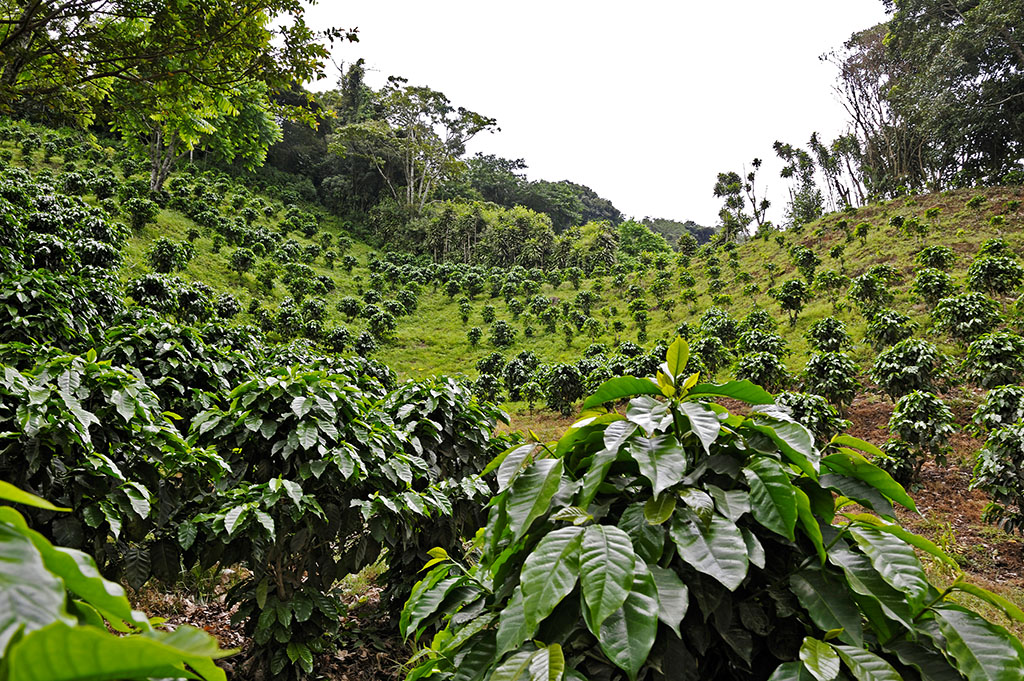
Mandheling coffee is grown in northern Sumatra, mainly around Lake Toba (Lintong) and Lake Tawar (Gayo). Both regions are located 1,100 to 1,600 meters above sea level and use the wet-hulled (Giling Basah) processing method that contributes to the coffee’s heavy body and earthy character.
What does Lintong Mandheling taste like?
Lintong Mandheling usually tastes bold and full-bodied with low acidity. Common flavor notes include herbs, dark chocolate, caramel, and sometimes a spicy or licorice-like finish. It’s less bright than other origins but offers a rich, lingering mouthfeel.
What’s the difference between Lintong and Gayo Mandheling?
Lintong (Lake Toba) Mandheling tends to have a heavier, more muted, and herbal profile, often with earthy or spice notes. Gayo (Lake Tawar) Mandheling can be slightly brighter, sometimes showing woody or subtle fruit characteristics. Both are full-bodied but express different sides of Sumatra’s terroir.
Why is Sumatra coffee so full-bodied?
Sumatra coffee is full-bodied mainly because of the wet-hulled (Giling Basah) processing method. Beans are hulled at higher moisture levels, which increases body and reduces acidity. Combined with Sumatra’s humid climate and volcanic soil, this process creates the region’s signature heavy, syrupy cup profile.
Recommended FrontStreet Beans for Mandheling Fans
FrontStreet Coffee’s Lintong Mandheling is a classic introduction to Sumatra’s signature profile: full body, low acidity, and flavors of spice, black chocolate, and caramel with a sweet finish. For those seeking a more refined, meticulously sorted option, the PWN Golden Mandheling is a top-tier choice. Sourced from North Sumatra’s high-grade lots, this selection offers toasted bread, pine, caramel, and cocoa notes, with a thick, lingering sweetness. Both beans highlight Sumatra’s iconic wet-hulled character. Freshly roasted within 5 days · Orders placed before 17:00 ship the same day · Next-day delivery across most of Guangdong Province.
FrontStreet Coffee is a long-established specialty coffee roaster in Guangzhou China, selling freshly roasted beans from its own farm in Yunnan as well as dozens of carefully selected single-origin beans from around the world for both pour-over and espresso. The products deliver consistently excellent quality and great value, with shipping within 24 hours. Guangzhou's FrontStreet Coffee shop is recommended by many coffee lovers, and the beans are now available online at the Tmall 。
Important Notice :
前街咖啡 FrontStreet Coffee has moved to new addredd:
FrontStreet Coffee Address: 315,Donghua East Road,GuangZhou
Tel:020 38364473