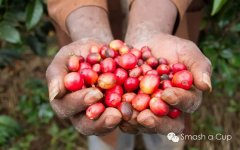
Devon Coffee rooted in Devon Village unforgettable original taste in the mountains of southern Taiwan
Yunlin Gukeng Coffee, which once raised the topic, has led to a craze for coffee in Taiwan, as well as an upsurge in the cultivation of coffee trees in Taiwan. Although it does not have the high price of civet coffee, Taiwan coffee produced by Baodao is also very expensive. Devon coffee, without the popularity of Gukeng Coffee or Dongshan Coffee, is an unforgettable taste for many people.
Coffee was first planted in Taiwan because it was introduced and planted by the Japanese during the Japanese occupation. At that time, there was no shortage of areas to promote cultivation in Taiwan. as the Japanese left Taiwan, there was no market for coffee, and coffee trees were either cut down to grow other crops or left to be desolate. It is said that Devon Village, Santimen Township, Pingtung County, grew coffee as early as the Japanese occupation period. Because of its high altitude, the coffee grown was of excellent quality and was often regarded as a tribute to the Japanese emperor.
Located in Pingtung County at the southernmost tip of Taiwan, Santimen Township and Taiwu Township are the two major coffee producing areas. Devon Village in Santimen Township has gradually gained a reputation as "Devon Coffee" in recent years. Although it is not yet popular, local coffee farmers have signed a contract with Hawaii to market Devon coffee overseas, and they can also taste Devon coffee in Sandimen.
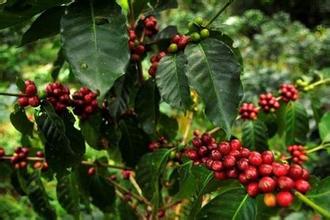
Devon Coffee producing area is located in the mountain area of Devon Village, which is 800m to 1200 m above sea level. Such an environment is suitable for producing good coffee. When you come to Devon Village, you may not see valley pits or Dongshan cafes, but the countryside around the village is full of coffee gardens, and the connecting road is also lined with coffee trees, which can be called a coffee village in southern Taiwan.
German coffee, which originated from the Japanese occupation period, can still be seen from the old coffee trees left in the early years. Feng Shengcai, a local coffee farmer, said that in addition to the coffee trees planted during the Japanese occupation, the heads of the first three townships, Bao Shuisheng, made every effort to promote the cultivation and laid the foundation of the German coffee industry. there is no shortage of 20-year-old coffee trees in the village, and more than 80% of the residents of the village grow coffee.
Unlike tea, Taiwanese grew coffee during the Japanese occupation, but they did not know how to drink it. But in Feng Shengcai's impression, the older generation of German women would pick and dry the ripe coffee beans, then crush them and drink them in hot water. This is perhaps the most natural way to drink German coffee, and it also writes a legend for German coffee.
FrontStreet Coffee is a long-established specialty coffee roaster in Guangzhou China, selling freshly roasted beans from its own farm in Yunnan as well as dozens of carefully selected single-origin beans from around the world for both pour-over and espresso. The products deliver consistently excellent quality and great value, with shipping within 24 hours. Guangzhou's FrontStreet Coffee shop is recommended by many coffee lovers, and the beans are now available online at the Tmall 。
Important Notice :
前街咖啡 FrontStreet Coffee has moved to new addredd:
FrontStreet Coffee Address: 315,Donghua East Road,GuangZhou
Tel:020 38364473