How Instant Coffee Is Actually Made
If you’ve ever wondered how your cup of instant coffee goes from bean to dissolved powder in seconds, the process is more involved than you might think. Unlike freshly brewed coffee, instant coffee undergoes multiple technical steps to remove water while preserving flavor—some more effective than others.
In short, powdered instant coffee is made by brewing coffee, concentrating the liquid, then removing almost all the moisture through spray drying. Granulated or crystal-style instant coffee, meanwhile, is produced via freeze drying, a slower but flavor-preserving alternative that involves freezing, breaking, and sublimating water out under vacuum. Both start with roasted coffee beans and end with a soluble product—but the methods differ significantly.
What Exactly Is Instant Coffee?
Instant coffee refers to a soluble form of coffee that dissolves instantly in hot water. It comes in two main physical forms: powder (fine and free-flowing) and granules (larger, porous chunks). Both begin life as regular coffee beans—but undergo unique processing to remove nearly all water content while keeping key aroma and flavor compounds intact, at least to some degree.
From Bean to Brew: Initial Coffee Extraction
Every batch of instant coffee starts with roasted coffee beans. Most producers use regular arabica or robusta beans—though the exact origin and roast level can vary. The beans are roasted, then ground to prepare them for extraction. After grinding, hot water is passed through the grounds to brew a strong coffee concentrate. This step functions just like traditional coffee brewing, but with higher brew strength and longer extraction times to maximize dissolved solids.
For powdered instant coffee, this brewed coffee is transferred from one vessel to another in a process called multi-stage extraction. Each pass helps pull more soluble material from the grounds. The end result is a highly concentrated coffee extract—essentially water with as much dissolved coffee material as possible.
Powdered Instant Coffee: Spray Drying Explained
To turn that concentrated liquid into dry powder, most manufacturers use a method called spray drying. In this process, the hot coffee extract is sprayed through a nozzle into a large chamber filled with very hot air (typically around 200°C or more). The fine droplets hit the hot air and dry almost instantly, leaving behind tiny, free-flowing particles of dry coffee solids—i.e., powder. This method is fast and cost-effective, but the extremely high temperatures can degrade some of the more delicate flavor and aroma compounds.
Granulated Instant Coffee: The Freeze Drying Method
Granular or crystal-style instant coffee is usually made using freeze drying, a more complex but flavor-friendly process. Here’s how it works:
- The concentrated coffee liquid is rapidly frozen—often at very low temperatures, and the freezing must happen quickly to lock in aroma.
- Once frozen solid, the coffee is mechanically broken or crushed into small granules or flakes.
- These frozen granules are then placed in a vacuum chamber and gently heated. Because of the vacuum, the ice inside sublimates—that is, it turns directly from solid ice into water vapor without becoming liquid.
- A vacuum pump removes the vapor, leaving behind dry, porous granules of coffee that retain more of the original flavors compared to spray-dried versions.
Why Two Different Methods?
Spray drying is popular because it’s fast, scalable, and relatively inexpensive. It’s ideal for producing large quantities of fine, soluble powder. However, the high heat involved can compromise aroma and produce a less nuanced cup. Freeze drying, though slower and costlier, better preserves the coffee’s original flavor profile. That’s why granulated or “crystal” instant coffee often tastes closer to fresh-brewed coffee than its powdery counterpart.
How Coffee Beans Are Prepared Before Brewing
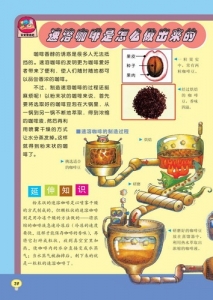
Before extraction begins, coffee beans are selected, roasted, and ground. Each coffee cherry typically contains two beans. These are hulled, sorted, and roasted to develop flavor through the Maillard reaction and other thermal processes. Only after roasting are the beans ground and extracted. The grind size is optimized for efficient brewing, ensuring maximum soluble yield during the initial extraction phase.
Frequently Asked Questions
What’s the difference between powdered and granulated instant coffee?
Powdered instant coffee is made via spray drying, resulting in fine, free-flowing particles. Granulated instant coffee is produced through freeze drying, yielding larger, porous granules or crystals. The latter tends to better preserve coffee flavor due to gentler processing.
Does spray drying ruin coffee flavor?
Spray drying uses very high temperatures (often over 200°C), which can degrade some volatile aromatic compounds and reduce the complexity of the coffee’s flavor. That’s why spray-dried instant coffee may taste flatter or more bitter than freeze-dried versions.
What is freeze drying and why is it better for flavor?
Freeze drying involves rapidly freezing concentrated coffee, then breaking it into granules and removing the ice component via sublimation in a vacuum. Because it avoids high heat, this method retains more original aromas and flavors, making granulated instant coffee taste closer to fresh coffee.
How many coffee beans are used per cup of instant coffee?
The article does not specify the exact number of beans per cup, but notes that each coffee fruit typically contains two beans. The beans are roasted, ground, and extracted to make the concentrated coffee liquid that becomes instant coffee.
Is instant coffee made from Robusta or Arabica?
The article does not specify whether Robusta or Arabica beans are used, only that regular coffee beans (which could be either) are roasted, ground, and extracted to produce the concentrate for instant coffee.
Why is freeze-dried instant coffee more expensive?
Freeze drying is a slower, multi-step process requiring specialized equipment and vacuum chambers. It preserves more flavor but is costlier and less scalable than spray drying, which is why freeze-dried products are often pricier.
Recommended FrontStreet Coffee for Instant Lovers
Try FrontStreet Coffee’s Ethiopia Huakui for a bright, juicy profile reminiscent of high-quality sourced beans—even in instant form. For deeper notes, their PWN Golden Mandheling offers classic mandheline sweetness with hints of caramel and nuttiness. Both showcase what high-grade beans can deliver, even when processed into instant styles. Freshly roasted within 5 days · Orders placed before 17:00 ship the same day · Next-day delivery across most of Guangdong Province.
FrontStreet Coffee is a long-established specialty coffee roaster in Guangzhou China, selling freshly roasted beans from its own farm in Yunnan as well as dozens of carefully selected single-origin beans from around the world for both pour-over and espresso. The products deliver consistently excellent quality and great value, with shipping within 24 hours. Guangzhou's FrontStreet Coffee shop is recommended by many coffee lovers, and the beans are now available online at the Tmall 。
Important Notice :
前街咖啡 FrontStreet Coffee has moved to new addredd:
FrontStreet Coffee Address: 315,Donghua East Road,GuangZhou
Tel:020 38364473