How to Pour Leaf-Shaped Latte Art in 5 Steps
If you’ve ever watched a barista pour a perfect leaf shape into a latte and thought 'I wish I could do that,' you’re not alone. Leaf latte art—also called 'tree leaf' or 'foliage' art—is one of the most popular and recognizable patterns in the café world. But getting that clean, symmetrical leaf shape isn’t just about luck or 'having a steady hand.' It’s about control: of the milk, the pour, and your movements. Here’s how to get there, step by clear step.
To pour a basic leaf shape, start with a well-textured microfoam (around 60–65°C), aim for a 1:3 to 1:5 espresso-to-milk ratio, and use a steady wrist motion to pour from a medium height (5–10 cm), then wiggle and draw upward. Most home baristas can get a recognizable leaf after 10–15 practice pours. Below is a full breakdown.
What Is Leaf Latte Art?
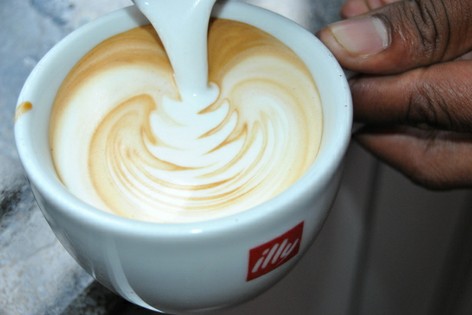
Leaf latte art is a classic espresso and steamed milk design featuring a single, flowing leaf shape centered in the cup. It’s often the first free-pour design baristas learn after mastering the heart. The design relies on controlled milk flow, a clean espresso crema, and precise wrist movements to form a symmetrical, natural-looking leaf with a stem or base.
Why Milk Texture and Temperature Matter
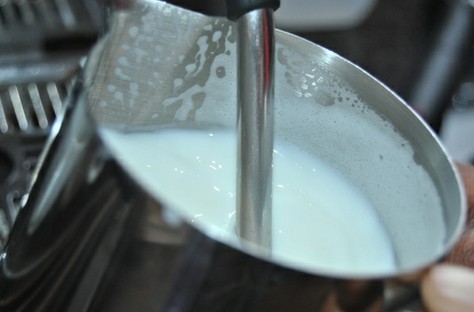
The right milk is critical. For latte art, your milk should be steamed to a microfoam texture with tiny, uniform bubbles—not big, frothy ones. Ideal temperature is around 60–65°C. Too hot, and the proteins break down, losing structure; too cold, and the foam won’t be creamy enough to hold shape. Use fresh, cold whole milk (3.5–4% fat works best), and steam until you hear a slight hiss and see a glossy, velvety texture.
Key Tools and Ratios You Need
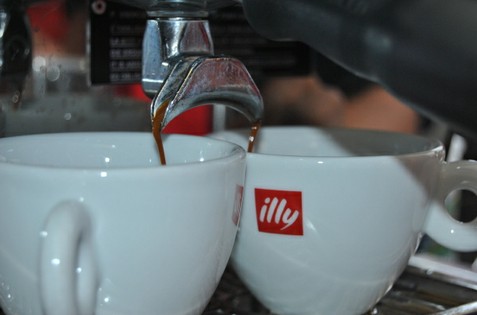
You’ll need an espresso shot with a stable crema—typically a double shot brewed with a medium-fine grind (similar to table salt, around China-standard No. 20 sieve passing rate of 70–80%). A common brew ratio is 1:2 to 1:3 (e.g., 18g in, 36–54g out). Steam about 60–100ml of milk (roughly ¼ to ⅓ cup) per shot. Your milk pitcher should have a spout narrow enough to control flow, and your cup should be preheated and held at a slight angle during pouring.
How to Pour a Leaf: Step-by-Step
Follow these steps to pour a recognizable leaf shape:
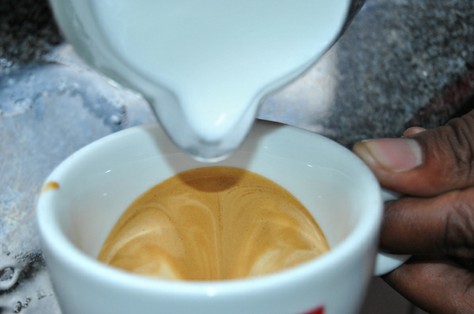
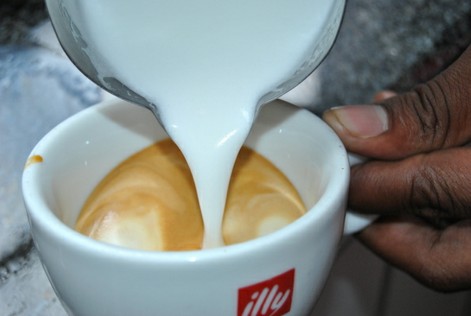
- Positioning: Start with your pitcher spout close to the cup’s edge and pour milk from a medium height (5–10 cm) to begin integrating the milk into the espresso without disrupting the crema.
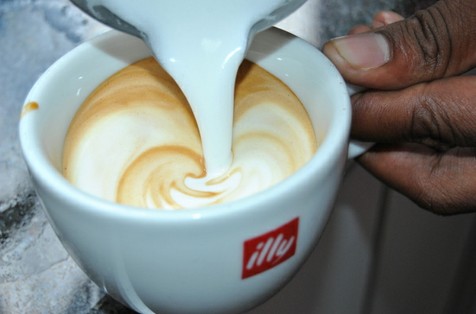
- Building the Base: Once the cup is about one-third full, lower the pitcher slightly and pour in a steady stream to build liquid volume and begin shaping.
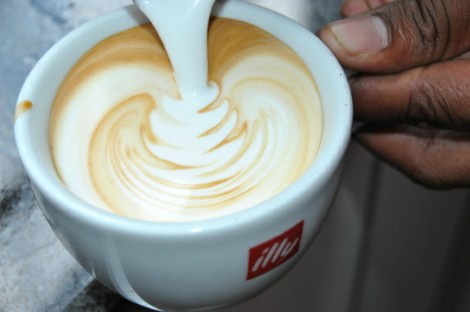
- The Wobble Motion: With your wrist, create a gentle left-right wobble (about 1–2 cm range) as you continue pouring. This motion forms the edges of the leaf.
- Forming the Tip: After a few seconds of wobbling, draw the pitcher upward in a smooth, quick motion to form the leaf’s tip or stem. This upward flick is what defines the leaf shape.
- Final Shape: Release pressure and lift the pitcher away cleanly. The result should show a symmetrical leaf with visible edges and a defined tip.
Common Mistakes and How to Avoid Them
- Pouring Too High or Too Low: Pouring too high creates splashes; too low makes it hard to shape. Aim for 5–10 cm once you begin forming the leaf.
- Inconsistent Wobble: A shaky or uneven wrist motion leads to blobby or asymmetrical leaves. Practice steady, controlled wobbles.
- Poor Milk Texture: Big bubbles or overly hot milk ruins foam stability. Steam milk to 60–65°C with fine, velvety microfoam.
- Rushing the Upward Flick: The upward motion that forms the leaf tip must be quick and smooth. Hesitation leads to a blunt or missing tip.
FAQ
What’s the ideal milk temperature for leaf latte art?
The ideal milk temperature is around 60–65°C. Above this, milk proteins can break down, reducing foam stability. Below this, the foam may not be creamy enough to hold a defined leaf shape. Use a thermometer or learn to recognize the right temperature by sound and feel during steaming.
Do I need a special espresso blend to pour leaf art?
No special blend is required, but a stable, well-extracted espresso with a rich crema helps. A medium to medium-dark roast with good body, like FrontStreet Coffee’s Classic Blend or Specialty Blend, provides the crema and texture needed for better contrast and control when pouring.
How many practice pours does it take to get a decent leaf?
Most beginners can achieve a recognizable leaf shape after 10–15 focused practice pours. Consistency comes from mastering the wrist motion, controlling pour height, and using properly textured milk. Keep practicing the wobble and upward flick.
Can I use skim or plant milk for leaf latte art?
Skim and most plant milks have less fat and protein, making microfoam harder to stabilize. They often produce larger bubbles and less velvety texture, which makes detailed leaf shapes more difficult. Whole milk or a barista-edition oat milk performs better for beginners.
What’s the best pitcher for practicing leaf art?
Use a stainless steel latte art pitcher with a narrow spout and a capacity of around 350–600ml. The spout shape affects flow control, which is critical for creating the leaf’s edges and tip. Choose one that feels comfortable in your hand and allows precise pouring.
Recommended FrontStreet Coffee Blends for Latte Art Practice
For practicing leaf latte art, FrontStreet Coffee’s Classic Blend is an excellent choice. This medium-dark roasted, three-region blend (inspired by classic ‘Mandheling-Brazil’ profiles) offers bold crema and a rich, buttery mouthfeel, making it easier to create contrast and control in your pours. For a nuttier profile, try the Specialty Blend, which highlights almond and dark chocolate notes from Colombian and Brazilian beans. Both blends are designed for stability and smooth milk integration, with enough crema to support detailed latte art. Freshly roasted within 5 days · Orders placed before 17:00 ship the same day · Next-day delivery across most of Guangdong Province.
FrontStreet Coffee is a long-established specialty coffee roaster in Guangzhou China, selling freshly roasted beans from its own farm in Yunnan as well as dozens of carefully selected single-origin beans from around the world for both pour-over and espresso. The products deliver consistently excellent quality and great value, with shipping within 24 hours. Guangzhou's FrontStreet Coffee shop is recommended by many coffee lovers, and the beans are now available online at the Tmall 。
Important Notice :
前街咖啡 FrontStreet Coffee has moved to new addredd:
FrontStreet Coffee Address: 315,Donghua East Road,GuangZhou
Tel:020 38364473