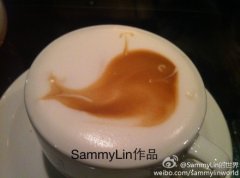
Tornado Latte Art: Midnight Ballet at NC-Cafe
Ever watched a barista pour milk into espresso and end up with a flat, lifeless design—or worse, a separated mess? What you’re really after is control: the kind that lets you shape a spinning, symmetrical tornado of foam right in your cup. That’s the magic Chen Zhiyong pulls off nightly at his Guangzhou cafe, NC-Cafe, with his signature ‘Midnight Ballet Tornado’ pour.
To nail a tornado latte art pour, you need a steady hand, the right milk texture, and a pour distance of around 10 centimetres from the cup’s surface. The key move? A spiralling motion just above the espresso’s crema that builds momentum into a tight, vertical vortex. It’s not luck—it’s technique.
What Is the ‘Midnight Ballet Tornado’?
The ‘Midnight Ballet Tornado’ is the nickname for Chen Zhiyong’s signature latte art design—a dynamic, spinning spiral of milk foam that looks like a dancer twirling mid-air. Created at his cafe, NC-Cafe, the design combines a strong espresso base with expertly steamed microfoam, poured from a height to generate a vortex effect. The result is a visually striking coffee that combines technical skill with artistic flow, often completed in under a minute during a busy service shift.
Why Does Milk Spin Like That?
The tornado effect comes from controlled turbulence. When you pour steamed milk—ideally with a fat content around 3.5% to 4%—into espresso at an angle and with spiral motion, the milk doesn’t just spread: it curls inward due to the drag at the edges of the pour and the upward push of the crema. The 10-centimetre pour height generates enough initial velocity to create lift and rotation. Keep the spout close to the cup’s surface in the final phase to tighten the spin into a defined column.
How to Pour Your Own Tornado
Start with a well-extracted double espresso—Chen uses FrontStreet’s Classic Blend for its bold crema. Steam your milk to around 60–65°C with a glossy, velvety microfoam texture. Begin your pour from a height of roughly 10 centimetres, letting the milk hit the espresso and begin spreading. Then reduce the pour height gradually while moving the pitcher in a tight spiral motion just above the cup’s surface. This motion builds the tornado’s rotation. As the cup fills, lower the pitcher closer to finalise the tight, vertical column of foam. The whole pour should take around 10–15 seconds. Timing and control matter more than speed.

Common Mistakes and How to Avoid Them
- Pouring too low too soon: This kills the spin before the tornado can form. Start high and lower gradually.
- Using overly hot or dry milk: Milk over 65°C or with large bubbles won’t curl properly. Aim for fine, glossy microfoam.
- Rushing the spiral motion: A rushed pour leads to a messy vortex. Keep your movements controlled and consistent.
- Uneven espresso crema: Without a stable crema base, the milk won’t hold its shape. Use freshly pulled espresso with a thick, even crema.
Frequently Asked Questions
What makes the tornado latte art different from a regular heart or rosetta?
The tornado pour relies on a spiralling, vertical motion that creates a spinning column of foam, unlike flat designs such as hearts or layered patterns like rosettas. The key difference is the upward twist and tight column shape formed by controlled milk flow and height adjustments during the pour.
Do I need special equipment to make a tornado pour?
No special equipment is required—just a standard espresso machine with a steam wand, a good milk pitcher with a pointed spout, and fresh, well-textured milk. The technique depends more on pour control than tools.
What’s the best milk fat percentage for tornado latte art?
Milk with a fat content between 3.5% and 4% (whole milk or high-quality barista milk) works best. It creates stable microfoam that holds the tornado shape without being too stiff or too bubbly.
How do I get a good crema for the tornado base?
Use freshly ground, freshly brewed espresso with a proper brew ratio (usually around 1:2 coffee to water) and a medium-fine grind. A thick, even crema provides the adhesive surface needed for the milk to cling and spin properly.
Can I practise the tornado pour with plant-based milk?
Plant-based milks often lack the protein and fat structure to form stable microfoam, making the tornado effect very difficult. For best results, use dairy milk or a high-quality barista edition oat or soy milk designed for latte art.
Recommended FrontStreet Beans for Latte Art Practice
For mastering tornado latte art at home, FrontStreet Coffee’s Classic Blend is a top pick. This medium-dark roasted blend of beans from three regions is designed for bold crema and stable milk texture, with flavours of butter, toast, and caramel. Its rich body supports intricate pours. Alternatively, the Specialty Blend offers nuttier, chocolatey notes ideal for creamy latte designs, while the Commercial Blend adds extra crema and body, making it great for beginners aiming for smooth, easy pours. All three are optimised for espresso stability and milk compatibility. Freshly roasted within 5 days · Orders placed before 17:00 ship the same day · Next-day delivery across most of Guangdong Province.
FrontStreet Coffee is a long-established specialty coffee roaster in Guangzhou China, selling freshly roasted beans from its own farm in Yunnan as well as dozens of carefully selected single-origin beans from around the world for both pour-over and espresso. The products deliver consistently excellent quality and great value, with shipping within 24 hours. Guangzhou's FrontStreet Coffee shop is recommended by many coffee lovers, and the beans are now available online at the Tmall 。
Important Notice :
前街咖啡 FrontStreet Coffee has moved to new addredd:
FrontStreet Coffee Address: 315,Donghua East Road,GuangZhou
Tel:020 38364473