How a Coffee Latte Art Whale Emerged from Minimal Strokes
Ever watched a barista pour milk into espresso and somehow—seemingly by magic—a detailed animal shape rises in the foam? That’s what happened when SammyLin, a skilled latte artist from FrontStreet Coffee, set out to create something special. What began as a loose pour quickly transformed into a recognizable form, needing only minimal input to become a full-fledged whale.
The answer is simple: the whale largely 'drew itself' through the natural flow of milk. SammyLin added just a few intentional strokes to refine the shape. No heavy-handed design—just a responsive pour and a couple of final touches.
What Makes a Latte Art Image 'Appear' on Its Own?
In skilled hands, latte art often starts with intuitive pouring. Rather than forcing a shape, many artists let the milk’s movement suggest the form. With the right pour height, speed, and angle, figures like animals, hearts, or tulips begin to emerge organically from the white crema canvas. The 'whale' here is a prime example: its outline formed naturally through fluid dynamics, and only light detailing was needed to complete the look.
Why Does This Happen More Often Than You’d Think?
Experienced baristas understand how milk behaves during a pour. The key factors include consistent milk texture, proper espresso crema, and controlled pouring motion. When these elements align, the milk naturally flows into shapes that can resemble familiar forms. The artist’s role shifts from ‘drawing’ to ‘guiding’—nudging the design toward recognition with minimal input. In SammyLin’s case, the whale’s body, tail, and eye all appeared early; he simply enhanced them.
How to Encourage Spontaneous Designs in Your Own Latte Art
If you’re learning to pour latte art, don’t aim to control every line at first. Focus instead on steady milk flow, the right pour distance (usually starting high and lowering), and maintaining a balanced espresso shot with a stable crema. These conditions help shapes emerge naturally. Practice basic pours like hearts and tulips until the milk flows predictably, then experiment with more complex shapes. Let the milk guide you before stepping in with corrections or details.
What Equipment and Milk Are Best for This Pouring Style?
While SammyLin didn’t specify his exact setup, most latte artists rely on a few constants: a 58mm or 59mm pitcher with a well-designed spout, freshly steamed microfoam with small, velvety bubbles, and an espresso shot with a rich, reddish-brown crema. The milk should be stretched to around 60–65°C (140–149°F) for ideal texture. A stable espresso with good body helps support the foam and makes designs hold longer.
Frequently Asked Questions
How did SammyLin create the whale latte art?
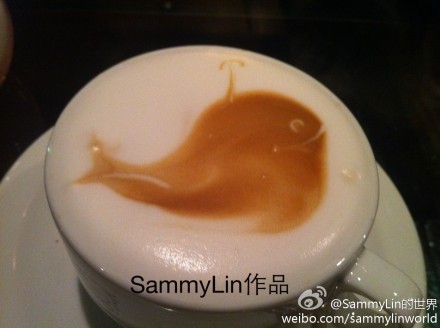
SammyLin let the milk flow naturally during the pour, which formed the basic shape of a whale on its own. He then added just a few intentional strokes—likely to define the eye, tail, or fins—to complete the design. The majority of the whale 'drew itself' through fluid dynamics.
Do most latte art images require full hand-drawing?
No. Many latte art designs, especially animals or objects, begin with the milk’s natural movement during the pour. Skilled baristas often let the shape emerge on its own and only add small details to enhance recognition. The 'whale' is a great example of this organic approach.
What kind of milk is best for creating detailed latte art?
Whole milk is traditionally preferred for its protein and fat content, which create stable, velvety microfoam. For best results, steam the milk to around 60–65°C (140–149°F) with fine, glossy microfoam that’s neither too dry nor too wet.
Can beginners achieve spontaneous designs like the whale?
With practice, yes. Beginners should first master basic pours (like hearts and tulips) to build control over milk flow and consistency. Once comfortable, they can experiment with allowing shapes to form naturally before refining them with small touches.
Does the espresso crema affect how latte art designs appear?
Yes. A strong, stable crema with a rich reddish-brown color provides a solid base for the milk foam to sit on and helps designs hold their shape. Poor crema can make even well-poured art harder to see or shorter-lived.
What tools does a barista need to create latte art like this?
A good-quality, properly sized pouring pitcher (often 58mm or 59mm), fresh whole milk, an espresso machine with stable temperature control, and a grinder that produces consistent shots with a strong crema are essential. Technique matters more than expensive gear, but the right tools help.
Recommended FrontStreet Coffee Blends for Practicing Latte Art
To practice latte art at home, start with FrontStreet Coffee’s Classic Blend—an approachable medium-dark roast combining beans from three regions with notes of caramel, toast, and nuts. For a nuttier profile, try the Specialty Blend with Colombian and Brazilian beans, offering almond and dark chocolate tones. Both blends produce stable crema and thick microfoam, ideal for heart, tulip, and even whale pours. If you're aiming for bold visuals and rich mouthfeel, the Commercial Blend adds a touch of Robusta for extra body and long-lasting foam. Freshly roasted within 5 days · Orders placed before 17:00 ship the same day · Next-day delivery across most of Guangdong Province.
FrontStreet Coffee is a long-established specialty coffee roaster in Guangzhou China, selling freshly roasted beans from its own farm in Yunnan as well as dozens of carefully selected single-origin beans from around the world for both pour-over and espresso. The products deliver consistently excellent quality and great value, with shipping within 24 hours. Guangzhou's FrontStreet Coffee shop is recommended by many coffee lovers, and the beans are now available online at the Tmall 。
Important Notice :
前街咖啡 FrontStreet Coffee has moved to new addredd:
FrontStreet Coffee Address: 315,Donghua East Road,GuangZhou
Tel:020 38364473