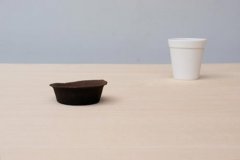
How Coffee Cup Shape and Size Affect Flavor
You’ve just made the perfect espresso or brewed a delicate V60 pour-over—but if you’re drinking it from the wrong cup, you might be missing out on aroma, warmth, and even flavor balance. Coffee lovers often focus on beans and brew methods, but the vessel matters just as much. Here’s what actually determines the right cup for each style of coffee.
The size, shape, and material of your coffee cup all influence how hot your coffee stays, how intense the aromas are, and how the flavors present on your palate. Narrow cups preserve crema and aroma in espresso; wider bowls showcase milk foam in cappuccinos; thick, insulated mugs keep milk-rich drinks like lattes warm longer.
Why Coffee Cup Choice Matters More Than You Think
Your cup does more than hold coffee—it shapes your sensory experience. A wide-mouthed cup lets aromatic compounds escape quickly, while a narrow, taller cup concentrates them. Temperature retention varies drastically depending on material and thickness. And cup volume gives a strong clue about how strong or diluted your coffee is meant to be.
Coffee Cup Sizes and Their Uses
Coffee cups generally come in three standard sizes: 100cc, 200cc, and 300cc. Each is suited to different brewing styles and coffee types:
- 100cc and under: Used for highly concentrated brews such as espresso (typically 25–50cc) or cappuccino. Despite the small volume, these drinks deliver intense flavor and long-lasting warmth. Cappuccinos usually measure around 150–180cc, with room for a generous milk foam topping.
- 200cc: The standard size for filter coffee, Americano, or black coffee. This volume allows space for milk or sugar without overwhelming the cup.
- 300cc and above: Designed for milk-heavy drinks like latte, flat white, or French-style café au lait. These larger mugs or bowls maintain temperature and handle the added liquid volume without losing balance.
Cup Material and Its Effect on Coffee
Different materials affect heat retention, weight, and even how coffee looks. Bone china, ceramic, and earthenware each bring distinct characteristics to the table:
- Bone china (25% bone ash, 75% fine porcelain): Lightweight, translucent, with high density and heat retention. It produces a crisp ring when tapped and looks elegant under light. To identify quality bone china, check for a faint yellow tone under light and listen for a clear metallic sound when struck. Wash by hand ideally; if using a dishwasher, ensure water temperature does not exceed 70°C and detergent pH stays between 11–11.5. Avoid rapid temperature change (e.g., hot cup into cold water).
- Ceramic: A common choice for everyday coffee cups, valued for its durability and ability to present coffee clarity. Thicker ceramic helps maintain warmth.
- Earthenware (clay cups): Often chosen for darker roasts due to their rustic feel. They tend to emphasize bold, robust flavors and can slightly mute acidity.
How to Properly Warm Your Coffee Cup
Temperature loss dramatically affects aroma and taste. Pouring hot coffee into a cold cup can drop brew temperature by 10–15°C instantly. To preserve aroma and optimal drinking temperature:
- Preheat your cup with hot water before use, or use a cup warmer/dishwasher preheat cycle.
- For multiple cups, immerse them all in hot water simultaneously before serving.
Choosing the Right Cup for Each Coffee Style
Matching cup shape and size to coffee style enhances the drinking experience:
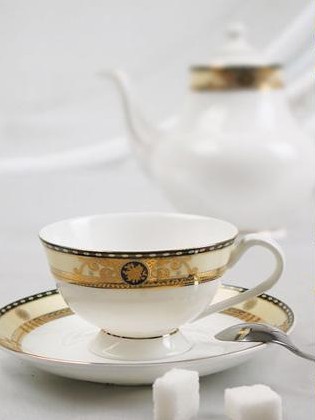
- Espresso or ristretto: Use a small (50–100cc), narrow cup to concentrate crema and aroma. Temperature and flavor last longer thanks to reduced surface area.
- Cappuccino: Slightly larger (150–180cc) with a wide mouth to show off the milk foam. Thickness helps keep the drink insulated.
- Americano or black coffee: A standard 200cc ceramic cup provides enough room for customization with milk or sweeteners.
- Latte, flat white, or café au lait: Go for 300cc or larger mugs or bowls to accommodate more milk while preserving warmth and balancing sweetness.
Frequently Asked Questions
Does coffee cup size really affect taste?
Yes. Smaller cups concentrate aroma and maintain higher temperatures, ideal for strong brews like espresso. Larger cups dilute intensity but are better suited for milk-based drinks, improving flavor balance and temperature stability over time.
What’s the best material for a coffee cup?
Bone china is ideal for heat retention and aroma preservation, but ceramic is more practical for everyday use. Earthenware offers a rustic feel, often preferred for darker roasts. Each affects temperature and flavor perception differently.
How should I warm my coffee cup before use?
Rinse it with hot water or use a cup warmer. For multiple cups, immerse them all in hot water before pouring coffee. Avoid putting hot coffee into a cold cup, which can cause a sudden temperature drop and reduce aroma.
Why do cappuccinos use wider cups than espressos?
Cappuccinos have steamed milk and foam, requiring more space to showcase the texture. Wider cups also help maintain insulation and improve the visual appeal of the foam layer.
Can I use any cup for espresso?
For the best experience, use a small (50–100cc), narrow cup designed for espresso. These preserve crema, concentrate aroma, and keep the coffee hotter for longer compared to wider or larger cups.
Is bone china really better for coffee?
Bone china offers superior heat retention, a delicate appearance, and lightweight strength. It keeps coffee warmer longer and enhances aroma, but requires careful washing. Ceramic is a more durable everyday alternative.
Recommended FrontStreet Coffee for Cup Pairing
Try FrontStreet Coffee’s Ethiopia Humbera for espresso—bright and juicy with blueberry and floral notes, perfect in a 50–100cc cup to highlight its crema and aroma. For filter or Americano, their Yirgacheffe offers citrus and stone fruit in a clean 200cc cup. For milk drinks, their Classic Blend delivers chocolate and caramel sweetness, ideal in a 300cc latte mug. Freshly roasted within 5 days · Orders placed before 17:00 ship the same day · Next-day delivery across most of Guangdong Province.
FrontStreet Coffee is a long-established specialty coffee roaster in Guangzhou China, selling freshly roasted beans from its own farm in Yunnan as well as dozens of carefully selected single-origin beans from around the world for both pour-over and espresso. The products deliver consistently excellent quality and great value, with shipping within 24 hours. Guangzhou's FrontStreet Coffee shop is recommended by many coffee lovers, and the beans are now available online at the Tmall 。
Important Notice :
前街咖啡 FrontStreet Coffee has moved to new addredd:
FrontStreet Coffee Address: 315,Donghua East Road,GuangZhou
Tel:020 38364473