How to Choose the Right Coffee Cup for Your Brew
Ever taken a sip of your carefully brewed espresso or pour-over, only to feel like something’s missing—not in the coffee, but in how it tastes? The vessel you use plays a huge role in how you experience aroma, temperature, and flavor. Whether you’re sipping a single origin espresso or a creamy latte, your coffee cup matters more than you think.
To serve coffee at its best, choose a non-reactive, well-insulated cup that matches your brew style. Porcelain and bone china preserve aroma and heat best, while material, size, and shape all influence flavor perception and drinking experience.
Material Matters: Ceramic, Porcelain, and Bone China
Coffee cups come in various materials—ceramic, pottery, stainless steel, and bone china among them. Both porcelain and pottery are glazed, but pottery is coarser, slightly porous, and can stain permanently if the glaze wears off. Porcelain is finer, non-porous, and retains heat better, though it comes at a higher price. Bone china, made with animal bone ash mixed into premium clay, is the top tier: lightweight, durable, with a soft sheen and excellent heat retention, making it ideal for showcasing coffee’s subtle notes. It keeps beverages warmer longer, enhancing the drinking experience.
Coffee Cup Sizes and Their Best Uses
Coffee cup sizes generally fall into three categories:
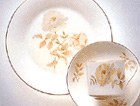
- Small coffee cups (60–80ml): Perfect for pure, high-quality espresso or intense single-origin shots. Though small, the lingering finish highlights fine flavors.
- Standard coffee cups (120–140ml): The most common size, offering enough space to add milk or sugar for a customized cup.
- Mugs or French-style coffee cups (300ml+): Designed for milky coffees like lattes or café au lait. Big enough to balance sweetness and texture in drinks such as American mochas or the French morning favorite, café crème.
Traditional coffee cup volumes are also categorized by era:
- Under 100ml: Holds 50–70ml, often used for concentrated brews.
- Under 200ml: Typically holds 150–180ml, suitable for everyday coffee.
- No-base mugs or French bowls (~300ml): Used for indulgent milk-based coffees. Glass or beer glasses may be used for decorative coffee art, but aren’t considered traditional coffee cups.
Coffee Cup Construction and Design Principles
A good coffee cup should never react chemically with coffee—avoid reactive metals like aluminum. The ideal cup has a thick body, a not-too-wide rim, and retains heat effectively without cooling your coffee too fast. This helps preserve aroma and taste. Also, the cup’s color and opacity affect how you perceive coffee color, crucial for evaluating brew strength and extraction.
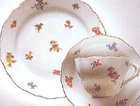
For the best view of coffee’s golden-brown clarity, choose a cup with a white interior. Colored or decorated interiors can mask important visual cues.
Coffee Cup vs. Tea Cup: Spot the Difference
It’s easy to confuse tea and coffee cups, but they’re designed differently:
- Tea cups have wide, shallow bowls and wider mouths to release aroma and show color.
- Coffee cups feature narrower rims and thicker walls to retain heat and concentrate aroma.
This design difference ensures each beverage is enjoyed at its optimal temperature and sensory profile.
How to Hold, Warm, and Clean Your Coffee Cup
There are two common ways to place a cup: handle to the right (American style) or to the left (British style).
To preserve aroma, especially with bone china, pre-warm your cup. The easiest way is to rinse it with hot water or use a warming tray. Pouring hot coffee into a cold cup can cause a dramatic temperature drop, flattening aromas.
Cleaning is simple for high-quality cups with smooth, non-porous surfaces. Rinse with water immediately after use. For stubborn coffee stains, soak in lemon juice or gently scrub with mild detergent and a soft sponge. Avoid abrasive brushes or harsh chemicals that can scratch or damage the surface.
How to Choose the Right Coffee Cup for Your Brew
Select your cup based on coffee type, roast level, and drinking style:
- Pottery cups complement dark, bold roasts with rich body.
- Porcelain cups enhance lighter, more nuanced brews.
- Small cups (under 100ml) are ideal for espresso or single-origin shots.
- Larger mugs (200–300ml+) suit milk-forward drinks like lattes or café au lait.
Consider weight and comfort, too. Lighter cups often indicate finer materials with a denser, less porous surface—ideal for resisting coffee residue. Pick a cup that feels good in your hand for a better drinking ritual.
Famous Coffee Cup Designs Around the World
Some coffee cups are celebrated as works of art:
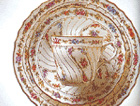
- Yorkshire Rose: A dignified design symbolizing English heritage.
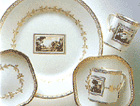
- Maria Delyagha: An 18th-century imperial pattern with 24K gold trim.
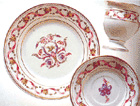
- Becky Fiorita: A hand-painted antique reproduction with exquisite detail.
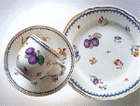
- Italian Fruit: A spiral-handled classic reflecting 18th-century Italian nobility.
- Inberro Williams: A tiny 80ml neo-classical cup favored for bedside mochas.
- Vieillette: An oval-shaped post-meal cup with Baroque-inspired handles.
These designs show how coffee culture intertwines with artistry and history.
Frequently Asked Questions
What’s the best material for preserving coffee flavor?
Porcelain and bone china are best for preserving coffee flavor. Bone china, which contains animal bone ash, offers superior heat retention and a delicate appearance, keeping coffee warmer longer and enhancing aroma. Porcelain is also non-porous and retains heat well, though both are pricier than standard ceramic or pottery.
Does coffee cup size affect taste?
Yes. Smaller cups (60–80ml) intensify flavor perception in espresso and single-origin brews, while larger mugs (200–300ml+) dilute intensity but suit milk-based drinks. The right size complements the coffee style and enhances the drinking experience.
Why should coffee cups have a white interior?
A white interior allows you to see the true color of the coffee, helping assess brew strength and extraction quality. Colored or decorated interiors can obscure these visual cues, making it harder to evaluate your coffee.
How should I warm my coffee cup before use?
Preheat by rinsing with hot water or using a warming tray. For bone china, warming prevents temperature shock that can dull aroma. Simply pouring hot coffee into a cold cup can reduce its temperature too quickly, affecting flavor.
Can I use stainless steel cups for coffee?
Yes, but they’re less ideal. Stainless steel retains heat extremely well and is durable, but it lacks the delicate flavor preservation of porcelain or bone china. It’s functional and affordable, though not the best for highlighting subtle coffee notes.
How do I remove coffee stains from my cup?
For light stains, rinse immediately with water. For tougher buildup, soak in lemon juice or wash gently with mild detergent and a soft sponge. Avoid abrasive pads or harsh cleaners that could scratch the surface.
Recommended FrontStreet Coffee Cups for Every Brew Style
For espresso lovers, try FrontStreet Coffee’s Ethiopia Humbera—bright and juicy with blueberry and floral tones, perfect for a 60–80ml cup. If you prefer milk coffee, their Classic Blend offers chocolate and caramel notes, ideal for 200–300ml mugs. For a balanced everyday cup, the Yirgacheffe highlights citrus and stone fruit, great for pour-over or standard coffee cups. Freshly roasted within 5 days · Orders placed before 17:00 ship the same day · Next-day delivery across most of Guangdong Province.
FrontStreet Coffee is a long-established specialty coffee roaster in Guangzhou China, selling freshly roasted beans from its own farm in Yunnan as well as dozens of carefully selected single-origin beans from around the world for both pour-over and espresso. The products deliver consistently excellent quality and great value, with shipping within 24 hours. Guangzhou's FrontStreet Coffee shop is recommended by many coffee lovers, and the beans are now available online at the Tmall 。
Important Notice :
前街咖啡 FrontStreet Coffee has moved to new addredd:
FrontStreet Coffee Address: 315,Donghua East Road,GuangZhou
Tel:020 38364473