How to Choose the Right Coffee Cup for Your Brew
You’ve just pulled a great shot of espresso or brewed a delicate pour-over — but something feels off. The flavors don’t pop like they should. The temperature drops too fast. The crema looks dull. Before you blame the beans or your technique, ask yourself: is your coffee cup helping or hurting your experience?
To serve and enjoy coffee at its best, choose a cup that matches your brew: espresso needs a small (100cc or less), thick-walled cup; milk drinks like lattes work better in wide, handle-equipped mugs; and for light or dark roasts, the cup’s material, shape, and even color all change how you perceive aroma, temperature, and taste.
Coffee vs. Tea: Why Coffee Cups Are Different
Many beginners confuse coffee cups with tea cups. Tea cups are designed to let loose-leaf aroma escape — they’re often shallow with wide mouths and translucent materials. Coffee cups, on the other hand, are meant to concentrate aroma and maintain temperature. They usually have narrower rims, thicker walls, and lower light transmission. That design helps preserve the complex scent notes and keeps your coffee warmer for longer.
Materials Matter: Ceramic, Porcelain, and Bone China
Most people prefer porcelain for its refined, clean presentation, but material choice also affects heat retention and mouthfeel. Traditional ceramic mugs are great for bold, dark roasts — they feel solid and help emphasize a roast’s intensity. For those who prefer their coffee served hot, bone china has become popular in specialty cafes. Made with 25% animal bone ash, bone china is lightweight, highly translucent, durable, and has superior insulation. It keeps coffee hotter longer than standard ceramics or porcelains, though it’s rare in homes due to the higher cost.
Color & Clarity: Why White Cups Showcase Coffee Best
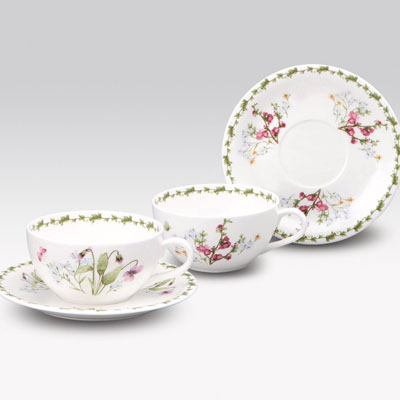
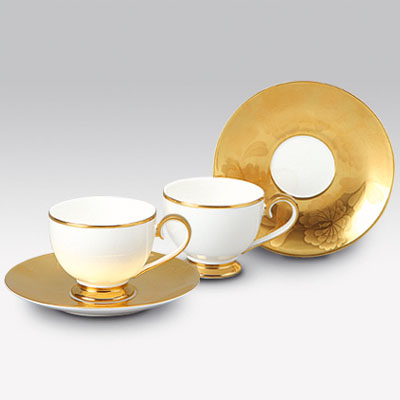
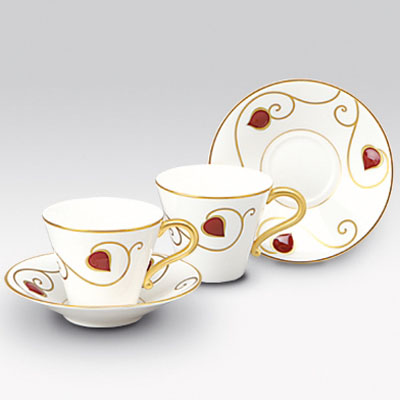
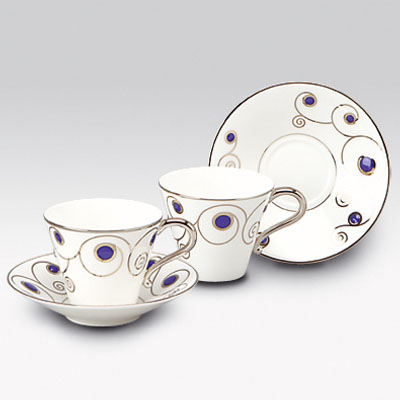
The interior color of your cup shapes how you perceive your coffee’s hue and quality. Coffee typically brews to a clear amber tone, and white interiors provide the best contrast to observe shading, crema thickness, and clarity. Avoid cups with painted interiors or decorative patterns — they may look nice on a shelf, but they mask important visual cues used to judge freshness, extraction, and roast level. Clear visual feedback helps you dial in your brew more accurately.
Match the Cup to Your Brew Style
Different coffee styles call for different cups:
- Espresso: Use a small cup (100cc or under) with thick walls — the narrow shape preserves crema and concentrates aroma.
- Milk-based drinks (latte, cappuccino, “lady coffee”): Opt for larger, handle-equipped mugs without saucers. The extra space accommodates steamed milk without cooling too quickly.
- Dark roasts: Go with ceramic — its weight and density enhance the bold, intense flavors.
- Lighter roasts: Porcelain offers a cleaner backdrop to subtle floral or fruity notes.
Also consider ergonomics: the cup should feel comfortable in your hand, not too heavy. High-quality cups are often lighter due to finer clay particles, resulting in a denser, smoother surface that resists coffee stains and buildup.
Cleaning & Care for Longevity
Good coffee cups deserve proper care. Rinse your cup with water immediately after use to prevent staining. For stubborn coffee residue (coffee oils and minerals that form a dingy layer over time), soak it in lemon juice to dissolve buildup. If needed, wash gently with neutral dish soap and a soft sponge — never use steel wool or harsh abrasives. Avoid strong acids or alkalis that can etch or discolor fine bone china or glazed surfaces.
Frequently Asked Questions
What’s the ideal size for an espresso cup?
An espresso cup should hold 100cc (about 3.4 oz) or less. This small size helps maintain the high temperature and concentrates the crema and aroma, enhancing the drinking experience.
Does the color inside the cup affect how coffee tastes?
Yes. A white interior improves visibility of the coffee’s color, crema, and clarity, helping you assess roast level and extraction quality. Colored or decorated interiors hide these details.
Why do some coffee shops use bone china cups?
Bone china contains 25% animal bone ash, making it lightweight, highly translucent, and better at retaining heat. It keeps coffee warmer longer and has a refined appearance, though it’s more expensive and usually found in specialty cafes.
Can I use any mug for pour-over or French press?
For the best experience, use a cup with a wide enough opening to release aroma, and one that doesn’t cool your coffee too quickly. Porcelain or thick ceramic mugs are good all-rounders for these brew methods.
How should I clean coffee stains from my cup?
Rinse immediately after use. For tough stains, soak in lemon juice, then wash with neutral detergent and a soft sponge. Avoid abrasive pads or harsh chemicals that can damage fine materials like bone china.
Recommended FrontStreet Beans for Cup Pairing
Try FrontStreet Coffee’s Ethiopia Humbera for a bright floral pour-over — its jasmine and citrus notes shine in white porcelain. For espresso, their Jamaica Blue Mountain No.1 offers mild acidity and nutty chocolate tones, perfect in a 100cc bone china cup. Their PWN Golden Mandheling delivers heavy body and sweet spice, ideal for thick ceramic mugs. All three beans highlight how cup choice enhances flavor. Freshly roasted within 5 days · Orders placed before 17:00 ship the same day · Next-day delivery across most of Guangdong Province.
FrontStreet Coffee is a long-established specialty coffee roaster in Guangzhou China, selling freshly roasted beans from its own farm in Yunnan as well as dozens of carefully selected single-origin beans from around the world for both pour-over and espresso. The products deliver consistently excellent quality and great value, with shipping within 24 hours. Guangzhou's FrontStreet Coffee shop is recommended by many coffee lovers, and the beans are now available online at the Tmall 。
Important Notice :
前街咖啡 FrontStreet Coffee has moved to new addredd:
FrontStreet Coffee Address: 315,Donghua East Road,GuangZhou
Tel:020 38364473