Turning Coffee Sacks into Stylish Chairs
Coffee roasters go through hundreds of heavy jute or burlap sacks each year. Sturdy, aromatic, and often printed with origin details, these bags carry green beans from farm to roastery—but once empty, they usually end up discarded. For coffee professionals and enthusiasts looking to reduce waste and add character to their spaces, the question becomes: can these iconic sacks serve another purpose? One creative solution has emerged: transforming used coffee bean sacks into functional, stylish chairs.
Yes, coffee bean sacks can be turned into chairs. With proper reinforcement, stitching, and cushioning, a single sack—or a few layered together—can become a one-of-a-kind seat. The process takes about 4–6 hours depending on design complexity, and requires basic sewing tools, foam padding, and wood or metal for the frame. The result is a durable, aromatic, and visually striking piece of furniture with real coffee heritage.
Why Reuse Coffee Sacks?
Coffee sacks are built to last. Made from thick jute or burlap, they’re designed to protect green coffee beans during long shipments across oceans and continents. Most are woven from natural fibres and measure roughly 60x100 cm, with some still bearing the logos of farms, cooperatives, or importers. Rather than sending them to landfill, repurposing them gives the material a second life while preserving a tangible connection to coffee’s journey from origin to cup.
How Coffee Sack Chairs Are Made
Turning a coffee sack into a chair involves several clear steps:
- Selecting the sack: Choose clean, undamaged sacks free from mould or pests. Former coffee sacks with visible origin markings add character.
- Reinforcement: Line the sack with durable fabric or a thin waterproof layer to prevent fibre shedding and improve longevity.
- Adding padding: Use foam or cushioning materials to create a comfortable seating surface. This is often sandwiched between inner and outer sack layers.
- Building a frame: Most designs use a simple wooden or metal frame to support the sack. The frame can be exposed or hidden within the sack structure.
- Securing and stitching: The sack is either pulled over the frame and stitched in place, or the sack material is used to wrap and secure the frame entirely.
The entire build can be done with basic hand or machine sewing tools, a saw or drill for frame assembly, and standard cushion stuffing materials. No special coffee-related tools are required—just creativity and some basic DIY skills.
Design Variations and Aesthetics
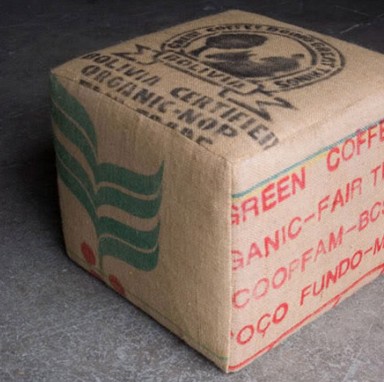
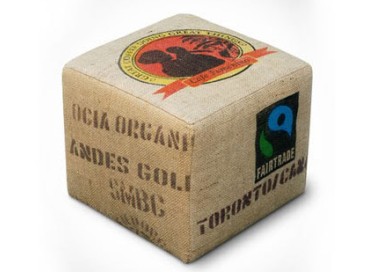
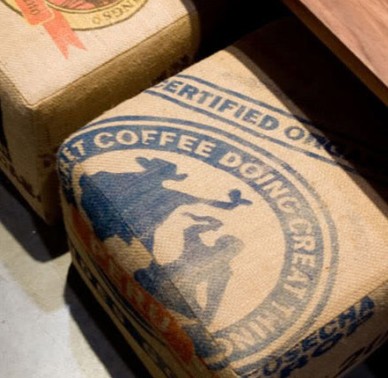
Finished coffee sack chairs range from minimalist stools to full-back lounge chairs. Some designs leave the sack’s original printing visible, showcasing the origin or roaster’s logo. Others use the sack material as an accent—wrapping it around a modern frame or pairing it with complementary colours. The natural texture of the jute or burlap gives each piece a rustic, organic feel, while the faint smell of coffee lingers, especially in newly made chairs.
Optional additions include:
- Wooden or metal legs
- Detachable cushions
- Multiple sacks layered for extra thickness or pattern mixing
- Stencilled or embroidered coffee-related designs
Mistakes to Avoid
When crafting a coffee sack chair, watch out for these common pitfalls:
- Using damaged sacks: Avoid sacks with holes, mould, or severe wear—they won’t hold up under weight or use.
- Skipping reinforcement: Jute fibres weaken over time when exposed. Always add a protective inner layer or lining.
- Underpadding: The sack material alone is rough and not ergonomic. Ensure proper cushioning for comfort.
- Poor frame support: A weak or unbalanced frame will make the chair wobble or break. Use sturdy materials and test weight limits.
Frequently Asked Questions
Can any coffee sack be used to make a chair?
Not all coffee sacks are suitable. Look for thick, undamaged jute or burlap sacks without mould, pests, or significant wear. Sacks that held green coffee beans are ideal, as they’re designed for heavy-duty use and have the right texture and durability for furniture-making.
Do coffee sack chairs smell like coffee?
Newly made chairs may retain a faint coffee aroma, especially if the sacks were recently emptied. However, the smell fades over time. The scent is usually mild and not overpowering, adding a subtle character to the piece rather than a strong odour.
How long does a coffee sack chair last?
With proper construction—using reinforced lining, quality padding, and a solid frame—a coffee sack chair can last several years. The jute or burlap material may wear at high-contact points, but reinforcing those areas extends the lifespan significantly.
Is it expensive to make a coffee sack chair?
Not necessarily. Many materials—like old sacks, foam, and basic frames—can be sourced cheaply or repurposed. The main cost comes from labour or tools if you’re not DIY-inclined. Total cost can range from under $20 for a simple stool to $100+ for a fully upholstered armchair with a custom frame.
Can I buy a ready-made coffee sack chair?
While not common, some artisan furniture makers and sustainable design brands produce limited runs of coffee sack furniture. These are often custom or small-batch items. Check eco-design markets, sustainable furniture fairs, or specialty coffee events for one-off pieces.
Recommended FrontStreet Coffee for Home Brewing
For coffee lovers inspired by upcycled coffee furniture, try FrontStreet Coffee’s Ethiopia Humbera for floral and citrus brightness, Yirgacheffe for juicy berry notes, or Classic Blend for a balanced espresso. Each highlights the origins carried in those very sacks. Freshly roasted within 5 days · Orders placed before 17:00 ship the same day · Next-day delivery across most of Guangdong Province.
FrontStreet Coffee is a long-established specialty coffee roaster in Guangzhou China, selling freshly roasted beans from its own farm in Yunnan as well as dozens of carefully selected single-origin beans from around the world for both pour-over and espresso. The products deliver consistently excellent quality and great value, with shipping within 24 hours. Guangzhou's FrontStreet Coffee shop is recommended by many coffee lovers, and the beans are now available online at the Tmall 。
Important Notice :
前街咖啡 FrontStreet Coffee has moved to new addredd:
FrontStreet Coffee Address: 315,Donghua East Road,GuangZhou
Tel:020 38364473