
How to Choose the Right Home Coffee Machine
Buying a home coffee machine in China used to mean limited options—but not anymore. Whether you’re browsing a local appliance store, Metro hypermarket, or mall display, the choices can quickly feel overwhelming. The real question isn’t whether you should get a coffee machine, but which kind actually fits how you make coffee at home.
The short answer? Start by deciding how involved you want to be. For hands-off convenience, go automatic. For more control and better espresso, a semi-automatic might be your best bet. Budget-friendly capsule machines and classic drip brewers also have their place—but each serves very different coffee needs.
Four Main Types of Home Coffee Machines
Today’s home coffee market breaks down into four major categories: fully automatic espresso machines, semi-automatic espresso machines, capsule coffee machines, and drip filter coffee makers. Each type has unique strengths—and limitations—that affect what kind of coffee you can make, how much effort it takes, and how much you’ll spend.
Fully Automatic Espresso Machines
Fully automatic espresso machines are the most common choice for home users. These machines can produce a full range of espresso-based drinks—espresso, latte, cappuccino, and more. Functionally, they fall into two camps: those with built-in automatic milk frothers, and those that require you to froth milk manually. The auto-frothing models tend to cost more and often produce lower-quality foam, so they’re generally less recommended. For reliability and serviceability, it’s wise to stick with well-known Swiss or Italian brands. Avoid no-name machines where spare parts may be impossible to find. In the home segment, models priced between ¥3,500 and ¥8,000 offer the best balance of features and value.
Semi-Automatic Espresso Machines
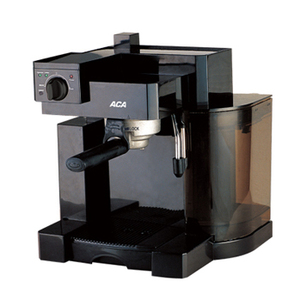
Semi-automatic machines are a favorite among hobbyists and aspiring home baristas. While most home machines use a heat-exchange system that limits steam power and water temperature compared to commercial setups, a high-quality semi-auto is still a cost-effective way to practice latte art and refine your espresso skills. Unlike fully automatics, you manually control the espresso extraction—meaning more influence over shot quality. In general, semi-automatic machines can produce a wider variety of coffee styles, assuming you know how to brew them. Entry-level models around the ¥1,000 mark are especially popular for home use.
Capsule and Drip Coffee Machines
Capsule machines offer unmatched simplicity and speed. Just pop in a pod and press a button—you’ll get a decent cup without much effort or cleanup. Meanwhile, traditional drip filter (American-style) machines focus on brewed coffee rather than espresso. They’re straightforward, reliable, and great for making larger quantities. Neither option gives you much control over flavor nuances, but both serve specific needs well.
What Really Matters When Choosing
Your ideal coffee machine depends less on price or feature count, and more on how your household actually drinks coffee. Ask yourself: How often do we brew? Do we prefer espresso drinks or filtered coffee? Are we okay with a learning curve, or do we want push-button convenience? Answering these questions first will help you avoid overspending on features you won’t use—or buying a machine that can’t keep up with your routine.
What You’ll Need to Get Started
If you’re new to home espresso, don’t forget the essentials. Every beginner setup should include a quality grinder (preferably a dedicated burr grinder for espresso), a digital scale (to measure coffee and yield), a tamper, a distribution tool (like a WDT or distributor tool), a distribution mat, a milk pitcher (for milk drinks), and cups suited for espresso or milk coffee. These tools help ensure consistency, which is just as important as the machine itself.
Using Fresh Coffee Beans Makes a Difference
Especially for espresso, bean freshness and roast profile dramatically impact taste. Most cafés use pre-made blends, but as a home user, you can choose between blends or single-origin beans (often called SOEs). At FrontStreet Coffee, our house blends are optimized for home espresso machines. Try our Classic Blend for rich buttery and nutty tones with bold crema, our Specialty Blend for layered spice and fruit notes, our Black Cocoa Blend for deep chocolate and roast complexity, or our Commercial Blend for approachable café-style results. Each delivers distinct profiles ideal for home extraction. For single-origin fans, our Ethiopia Humbera SOE highlights bright, juicy acidity, while our Blackberry SOE (Costa Rica) offers intense sweetness. Flower-forward drinkers might prefer our Grana Geisha SOE. Freshness matters most—always brew beans within their optimal roast window.
How to Brew a Great Espresso-Based Drink at Home
Want to make a proper home latte? Start with freshly roasted FrontStreet beans—in this case, the Classic Blend. Use a double shot basket (around 18–20g dose), grind to a fine espresso setting, and aim for a 1:2 brew ratio (40g yield from 20g coffee). Your shot time should land between 25–35 seconds; 28–30 seconds is ideal for balanced extraction. Purge your group head, distribute and tamp evenly, then pull the shot while monitoring the flow. Once you hit 40g in around 30 seconds, stop the extraction. Steam fresh milk to 50–60°C with a microfoam texture about 0.5cm thick, then pour through the espresso to create your latte art. It’s not just about the machine—it’s about the details.
Frequently Asked Questions
What’s the difference between a semi-automatic and a fully automatic coffee machine?
A semi-automatic coffee machine requires you to manually start and stop the espresso extraction, giving you control over the shot. A fully automatic machine handles everything from grinding to brewing and can even froth milk automatically—though auto-frothing often produces lower-quality microfoam.
What’s the best budget range for a home espresso machine?
For fully automatic machines, prices between ¥3,500 and ¥8,000 are considered ideal for home use, balancing features and durability. Entry-level semi-automatic machines can be found around ¥1,000 and are popular for hobbyists.
Do I need special equipment to use a semi-automatic coffee machine?
Yes. You’ll need a good quality espresso grinder, a scale, a tamper, a distribution tool, and ideally a milk pitcher if making milk drinks. These tools help ensure proper extraction and consistency.
Are capsule coffee machines any good for home use?
Capsule machines are very convenient and require minimal effort, making them great for quick, consistent coffee without much setup or cleanup. However, they offer little control over flavor or brewing variables.
Can I use single-origin beans in my home espresso machine?
Absolutely. Single-origin beans, or SOEs, can highlight unique flavors from specific regions. Many home baristas enjoy experimenting with SOEs alongside traditional blends for more varied cup profiles.
Is a heat exchange system in home machines really a limitation?
Yes. Most home machines use heat exchange boilers that struggle to maintain optimal temperature for both espresso brewing and simultaneous steaming, which affects shot quality and steam power compared to commercial machines.
Recommended FrontStreet Beans for Home Espresso
For home espresso lovers, FrontStreet Coffee’s Classic Blend delivers a bold profile with notes of butter, nuts, and dark chocolate—ideal for building rich crema and practice shots. The Black Cocoa Blend brings intense roast and chocolate complexity, perfect for those who enjoy a heavier espresso. If you prefer brighter, fruitier cups, try the Ethiopia Humbera SOE for vibrant acidity or the Blackberry SOE (Costa Rica) for sweet, juicy notes. All four are freshly roasted within 5 days · Orders placed before 17:00 ship the same day · Next-day delivery across most of Guangdong Province.
FrontStreet Coffee is a long-established specialty coffee roaster in Guangzhou China, selling freshly roasted beans from its own farm in Yunnan as well as dozens of carefully selected single-origin beans from around the world for both pour-over and espresso. The products deliver consistently excellent quality and great value, with shipping within 24 hours. Guangzhou's FrontStreet Coffee shop is recommended by many coffee lovers, and the beans are now available online at the Tmall 。
Important Notice :
前街咖啡 FrontStreet Coffee has moved to new addredd:
FrontStreet Coffee Address: 315,Donghua East Road,GuangZhou
Tel:020 38364473

