Common Coffee Brewing Methods and Equipment Explained
So you’ve heard that coffee is ‘just beans and hot water’—yet somehow your cup still tastes off, weak, or bitter. Maybe the issue isn’t the beans, but the tool you’re using to draw out their flavors. With so many coffee makers on the market, how do you know which one works best for your taste and skill level?
There are three main coffee brewing methods: cold brew (iced drip), ambient-pressure filtration (like pour-over or French press), and high-pressure extraction (espresso). Each requires different tools, temperatures, and techniques to get the best results.
Understanding Coffee Extraction Basics
Coffee’s soluble compounds—mostly oils and acids—are best extracted at higher temperatures, typically between 80°C and 96°C. Go too low, and you under-extract, leaving coffee sour and weak. Go too high, and you risk over-extraction or unwanted bitterness. That sweet spot ensures lipids dissolve properly, contributing to body and aroma without extracting harsh elements.
Ambient Pressure Brewing: Pour-Over, French Press & More
The simplest and most beginner-friendly methods operate at normal atmospheric pressure. This group includes:
- Syphon (siphon)
- French press
- Pour-over with hand drippers and filters
- AeroPress
- Melitta-style drip machines
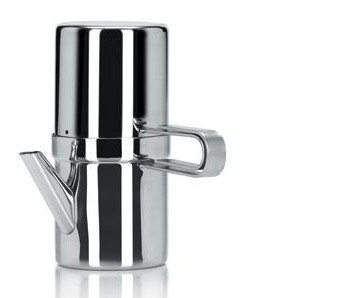
- Napolitan flip pots
- Belgian siphon pots
All these devices extract coffee using hot water (within the ideal 80–96°C range) and gravity or immersion. They pass brewed coffee through a filter to separate grounds from liquid.
Among these, the French press is the most accessible. You can find basic models for around ¥20 in supermarkets. Just heat water to the right temperature, add measured coffee, stir, steep, and press. It delivers full-bodied coffee with balanced clarity, making it ideal for newcomers. It also highlights origin traits—showcasing differences in roast level, bean variety, and growing region. Most commercial instant and canned coffees mimic this mild, filtered profile.

Espresso: High-Pressure, High-Reward
Espresso is fundamentally different. It’s a concentrated coffee extracted using high temperature (ideally 90°C) and high pressure (typically 7–9 bar). Unlike filtered coffee, espresso is ‘fast and compressed.’ The method was refined after the invention of the Gaggia piston machine, which allowed consistent 7–9 bar pressure. Later, Ernesto Illy of illycaffè helped establish the so-called ‘golden rules’ for espresso: 9 bar pressure, 90°C water, and 27 seconds extraction time.

These aren’t strict laws, but guidelines optimized for blended espresso beans. Unlike single-origin coffees, espresso blends are crafted to balance body, crema, and flavor under pressure. The goal is to highlight the 'center cut' of extraction—avoiding the early bitter or late sour phases. That’s why most espresso discussion focuses on blend profiles rather than individual origin characteristics.
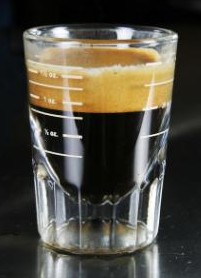
The resulting shot is thick, intense, and ideal for milk drinks like lattes and cappuccinos. But straight espresso? That’s coffee at its most condensed and flavorful.

The Italian coffee industry recognizes these standards through its official association emblem, developed in collaboration with top roasters and machine makers.
Home Espresso Machines Worth Considering
If you’re serious about making espresso at home, two entry-level machines consistently perform well: the Rancilio Silvia and the Nuova Simonelli Oscar. Both are reliable, manual-friendly, and capable of hitting the pressure and temperature ranges needed for quality shots. There are also more advanced options like the Shuttle and Expobar for enthusiasts seeking precision and durability.

Frequently Asked Questions
What’s the best water temperature for brewing coffee?
The optimal water temperature for coffee brewing is between 80°C and 96°C. Staying in this range ensures proper extraction of flavors without over- or under-extracting the coffee, which can lead to sourness or bitterness.
What is the difference between espresso and regular drip coffee?
Espresso is a concentrated coffee brewed under high pressure (7–9 bar) and around 90°C, resulting in a thick, intense shot. Drip or filtered coffee is made at normal atmospheric pressure, usually with a slower extraction that produces a lighter-bodied, more nuanced cup.
Which coffee maker is easiest for beginners?
The French press is the easiest and most affordable option for beginners. Basic models cost around ¥20, require only coarse ground coffee and hot water, and produce a full-bodied cup without needing precise pouring techniques.
What are the golden rules of espresso according to Ernesto Illy?
Ernesto Illy defined the espresso ‘golden rules’ as 9 bar pressure, 90°C water temperature, and a 27-second extraction time. These guidelines help achieve balanced flavor and crema in a well-blended espresso shot.
Can I make good espresso at home without expensive gear?
Yes. Reliable home espresso machines like the Rancilio Silvia and Nuova Simonelli Oscar deliver professional-quality results without requiring a commercial budget. Consistent technique matters more than extreme equipment.
What brewing methods show the most origin flavor?
Methods like pour-over, French press, and siphon highlight origin characteristics better than espresso. They extract coffee more gently and evenly, preserving distinct tasting notes from the bean’s variety, roast, and growing region.
Recommended FrontStreet Coffee for Filter & French Press
For pour-over and French press brewing, try FrontStreet Coffee’s Ethiopia Humbera—a bright, fruity Ethiopian single origin with citrus and floral notes—or the Brazil Queen Manor, offering chocolatey sweetness and nutty depth for a balanced cup. Both showcase origin traits ideal for ambient-pressure methods. Freshly roasted within 5 days · Orders placed before 17:00 ship the same day · Next-day delivery across most of Guangdong Province.
FrontStreet Coffee is a long-established specialty coffee roaster in Guangzhou China, selling freshly roasted beans from its own farm in Yunnan as well as dozens of carefully selected single-origin beans from around the world for both pour-over and espresso. The products deliver consistently excellent quality and great value, with shipping within 24 hours. Guangzhou's FrontStreet Coffee shop is recommended by many coffee lovers, and the beans are now available online at the Tmall 。
Important Notice :
前街咖啡 FrontStreet Coffee has moved to new addredd:
FrontStreet Coffee Address: 315,Donghua East Road,GuangZhou
Tel:020 38364473