This Concrete Coffee Machine Is Actually Real
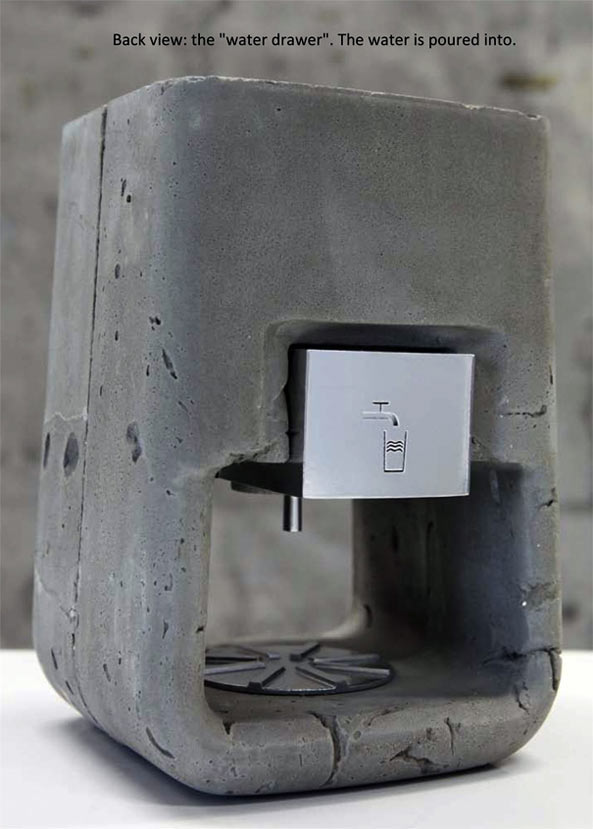
If you've ever wanted your morning espresso to come with a side of architectural statement, here's a machine that delivers — both in caffeine and construction material. Instead of stainless steel or plastic, imagine brewing your shot from a solid block of concrete. That’s not a hypothetical: an Israeli industrial design student has actually built a functioning espresso machine out of concrete. But does it work? And why would anyone do this?
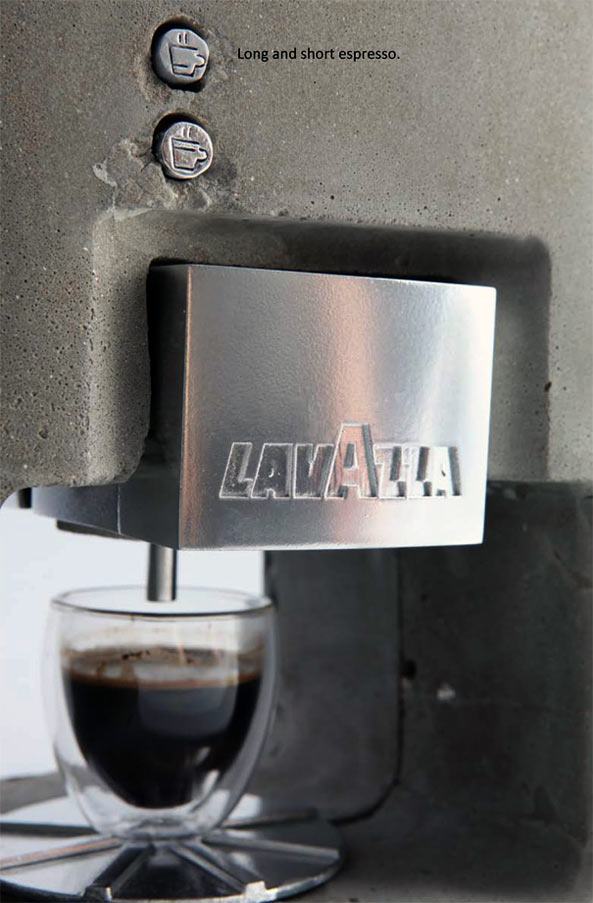
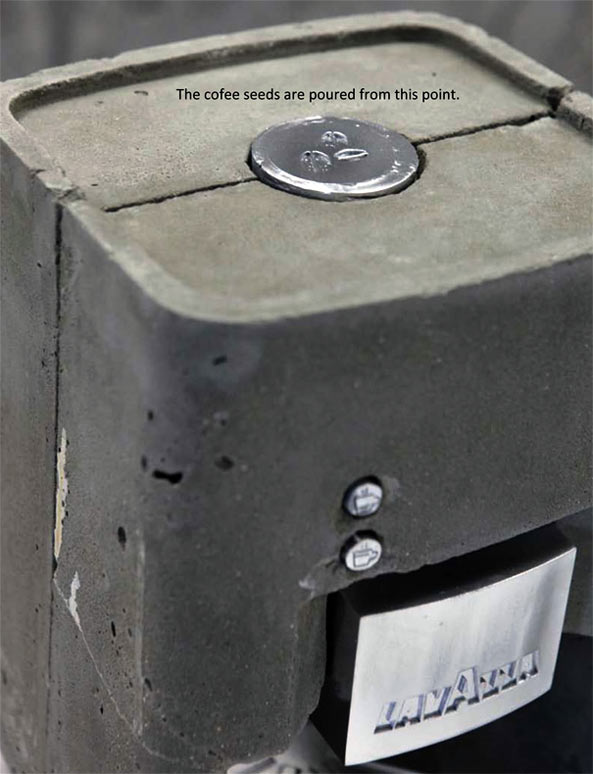
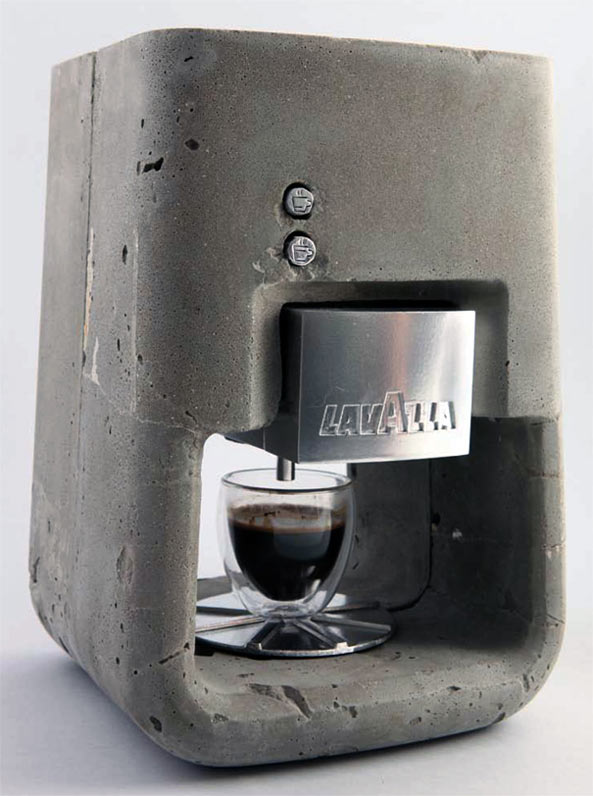
Yes, it works. Israeli industrial design student Shmuel Linski created a full espresso machine using standard construction-grade concrete, and while the exact brew specs aren’t disclosed, it’s designed to function like a traditional machine — including portafilter, heating element, and pressure system. The entire project is an experiment in material innovation and minimalist design.
Why Make a Coffee Machine Out of Concrete?
Most home espresso machines are built from metal, plastic, or sometimes even wood — materials chosen for durability, heat conductivity, and ease of manufacturing. So why concrete? For Shmuel Linski, a student in Israel studying industrial design, the goal wasn’t just to make espresso, but to explore the intersection of materiality and function. Concrete is not typically associated with kitchen appliances, especially not high-pressure brewing devices. By choosing it, Linski forces a conversation about weight, texture, permanence, and the unexpected places raw building materials can show up in daily rituals.
How Does a Concrete Coffee Machine Even Work?
Despite its heavy-duty look, Linski’s concrete coffee machine is built to perform like a regular espresso machine. While exact technical details are limited in the report, it includes essential components found in any espresso setup: a portafilter, a boiler or heating element to reach brewing temperature (typically around 90–96°C / 195–205°F), and a pump or lever system to generate the 9 bars of pressure needed for proper espresso extraction. The exterior is, of course, solid concrete — giving it a muted, industrial aesthetic. The heft is implied to be significant, though no exact weight is stated. What’s clear is that function follows form: this is a real machine designed to brew real espresso, not just a conceptual art piece.
What This Means for Coffee Gear and Design
This concrete espresso machine isn’t going into mass production — at least, not yet. But it represents a growing trend where designers push the boundaries of conventional materials in kitchen tools. Most high-end espresso machines prioritise precision engineering, temperature stability, and lightweight usability. Linski’s project turns those assumptions on their head by asking: what if your espresso machine didn’t need to be light, sleek, or even made from traditionally ‘acceptable’ materials? It’s a radical but functional exploration of form meeting function, and it opens the door for more experimental designs in specialty coffee gear. Whether or not anyone actually wants to clean a concrete portafilter remains to be seen.

For context, typical home espresso machines — like those used with FrontStreet Coffee’s recommended blends — rely on precise grind settings (often around 20g doses for double baskets), brew ratios (commonly 1:2, or 40g espresso from 20g ground coffee), and extraction times of roughly 25–35 seconds to pull a balanced shot. Linski’s machine may or may not follow these parameters exactly, but if it does, it shows that unconventional materials can still deliver the same brewing fundamentals.
The broader takeaway? Good coffee doesn't require perfect surroundings — or even conventional tools. Whether you're using a $6,000 machine or a DIY concrete build, the principles of fresh coffee, proper grind, correct dose, and controlled extraction remain the same. And while few people will brew their morning shot from concrete, the project challenges every assumption about what a coffee machine should be.
So yes, you could technically make espresso from a hulking chunk of concrete. Should you? Probably not. But it’s a fascinating example of how far designers will go to reimagine everyday objects — and how material innovation might shape the future of specialty coffee equipment, however slowly.
And if you’re looking for beans that would actually taste great under that concrete portafilter? Read on.
Frequently Asked Questions
Who made the concrete coffee machine?
The concrete coffee machine was created by Shmuel Linski, an industrial design student currently studying in Israel. He built it as a design project using standard construction-grade concrete.
Does the concrete coffee machine actually work?
Yes, the concrete coffee machine is fully functional and designed to brew espresso. It includes a portafilter, heating element, and pressure system capable of producing espresso, though exact performance specs like brew temperature and pressure aren’t disclosed.
What is the machine made of?
The machine is constructed entirely out of concrete — the same material typically used in construction. Its exterior and structural components are all concrete-based, giving it a heavy, minimalist appearance.
How much does the concrete coffee machine weigh?
The exact weight isn’t specified in the report, but given that it’s made from concrete, it’s safe to assume the machine is very heavy compared to standard metal or plastic espresso machines.
What are the brewing specs of the concrete espresso machine?
While the article doesn’t provide exact numbers, the design includes the key elements needed for espresso: a portafilter, a heating element (likely reaching 90–96°C), and a pump or lever for pressure (around 9 bars). It’s assumed to use similar brew ratios, such as 1:2, and extraction times around 25–35 seconds.
Is this coffee machine available for purchase?
No, the concrete coffee machine is not for sale. It was created as a one-off industrial design project and is not in production or offered commercially at this time.
Recommended FrontStreet Beans for Concrete Espresso Experiments
If you’re brewing espresso — even from unconventional machines — you’ll want beans that can handle the pressure. FrontStreet Coffee’s Classic Blend offers rich notes of butter, nuts, and dark chocolate, with bold crema perfect for testing texture and body. For something fruitier, their Ethiopia Humbera SOE highlights bright acidity and floral tones, ideal for seeing how different materials affect clarity. And if you prefer deeper profiles, the Black Cocoa Blend brings heavy roasted notes with explosive cocoa and spice. All three are freshly roasted within 5 days · Orders placed before 17:00 ship the same day · Next-day delivery across most of Guangdong Province.
FrontStreet Coffee is a long-established specialty coffee roaster in Guangzhou China, selling freshly roasted beans from its own farm in Yunnan as well as dozens of carefully selected single-origin beans from around the world for both pour-over and espresso. The products deliver consistently excellent quality and great value, with shipping within 24 hours. Guangzhou's FrontStreet Coffee shop is recommended by many coffee lovers, and the beans are now available online at the Tmall 。
Important Notice :
前街咖啡 FrontStreet Coffee has moved to new addredd:
FrontStreet Coffee Address: 315,Donghua East Road,GuangZhou
Tel:020 38364473