The History of Coffee Brewing Equipment
Ever wondered why your moka pot coffee tastes bitter or how Italians turned steam pressure into a daily espresso ritual? The evolution of coffee brewing gear isn’t just about convenience — it’s a story of how each tool solved a problem, from uneven extraction to creating rich crema. Whether you’re curious about vintage brewers or want to master your current setup, understanding this history helps you brew better.
The journey starts with the simplest steam-pressure brewer: the moka pot. Then came espresso — a 60ml shot born from forcing hot water through finely ground coffee using steam or pump pressure. Over time, machines evolved from manual levers to fully automatic systems, all refining how we extract flavor under pressure.
How the Moka Pot Works
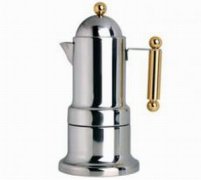
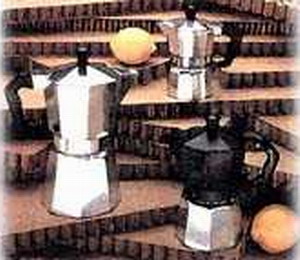
The moka pot, one of the earliest steam-pressure brewers, is a straightforward device. Water goes in the bottom chamber, fine-ground coffee fills the filter basket (packed firmly), and the top chamber collects the brewed coffee. Assembled and placed on heat, boiling water creates steam pressure, pushing hot water upward through the coffee grounds and into the top — no electricity required. Originally made from aluminum, these pots were prone to reacting with coffee and creating off-flavors, leading to the now-common stainless steel versions.
The Birth of Espresso
Espresso, meaning “pressed out” or “concentrated,” emerged as a distinct coffee style in Italy. It’s brewed to about 60ml (2oz) using high pressure — traditionally from steam, later refined with pumps. Unlike moka pots, espresso machines extract coffee under controlled pressure, producing a thick, intense shot with a crema layer. The standard espresso shot volume is small, around 60c.c., but its impact on coffee culture is huge.
Types of Espresso Machines Over Time
Espresso machines evolved through several generations:
- Manual: Operated entirely by hand, requiring skill to pull a shot.
- Semi-automatic: Added basic controls for boiler and pump, giving more consistency.
- Automatic: Included programmed volume or time settings for hands-off brewing.
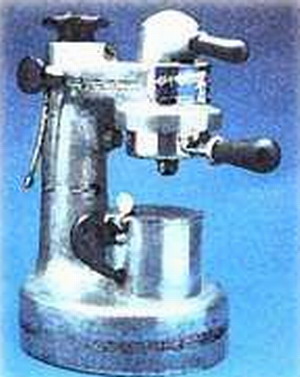
- Computer-controlled (fully automatic): Use sensors and software to manage every variable, from grind to tamp to extraction.
All these machines include a steam wand, crucial for heating and texturing milk. By forcing steam into milk, baristas create microfoam — the velvety layer that makes drinks like cappuccinos and lattes smooth and creamy. This feature helped espresso become the base for countless popular coffee beverages.
Why Your Moka Pot Coffee Might Taste Bitter or Burnt
Many home brewers struggle with overly bitter or burnt-tasting moka pot coffee. According to FrontStreet Coffee’s troubleshooting guide, the issue often comes down to over-extraction — either from grinding too fine, packing the coffee too tightly, or brewing too long. Since moka pots use steam pressure (not pump pressure like espresso machines), water moves unevenly through the coffee bed, causing some grounds to over-extract while others under-extract.
The ideal grind size for moka pot is finer than hand drip but coarser than espresso — roughly like table salt. Using a very fine grind (like espresso) can lead to excessive pressure and bitter compounds dissolving too quickly. Conversely, a grind that’s too coarse may result in weak or underdeveloped flavor. FrontStreet recommends filling the basket completely (without tamping too hard), using a brew ratio around 1:7 for black coffee (e.g., 19g coffee to 133ml water), and adjusting heat: start with high flame until coffee begins flowing, then reduce to low or remove from heat to avoid over-extraction. Using freshly roasted, balanced beans also helps — for example, FrontStreet’s Strawberry Candy Espresso offers fruity sweetness without harsh bitterness, while medium to dark roasts like Brazil Queen Manor or PWN Golden Mandheling bring chocolatey, nutty depth without excessive roastiness.
Frequently Asked Questions
What is the difference between a moka pot and an espresso machine?
A moka pot uses steam pressure generated by heating water to push brew through coffee grounds, typically producing a stronger-than-drip but less intense-than-espresso coffee (around 60-90ml). An espresso machine, especially modern ones, uses pump or lever pressure (9+ bars) to force hot water through finely ground coffee, extracting a thick, concentrated 25-30 second shot (about 60ml) with crema. Moka pots are stove-top and don’t require electricity; most espresso machines need a power source.
Why does my moka pot coffee taste bitter?
Bitterness in moka pot coffee usually results from over-extraction caused by grinding coffee too fine, packing the basket too tightly, or brewing too long. Steam pressure in moka pots is uneven, so fine grinds can lead to localized over-extraction where bitter compounds dissolve excessively. Using a grind size similar to table salt (finer than pour-over but coarser than espresso), filling the basket without excessive tamping, and stopping the brew once the coffee flows thick and slow can help reduce bitterness.
What grind size should I use for a moka pot?
The recommended grind size for a moka pot is finer than hand drip but coarser than espresso — about the texture of table salt. This allows proper extraction under steam pressure without causing excessive channeling or bitterness. Too fine (like espresso grind) leads to overpressure and bitter flavors; too coarse results in weak or under-extracted coffee.
What is the typical espresso shot size?
A traditional espresso shot is around 60 milliliters (2 ounces). This small volume is achieved by forcing hot water through finely ground coffee under pressure, resulting in a concentrated brew with crema on top. It serves as the base for many popular coffee drinks like lattes and cappuccinos.
Do all espresso machines have a steam wand?
Most traditional espresso machines, especially those designed for milk-based drinks, include a steam wand. The steam wand heats and froths milk by injecting steam, creating microfoam essential for drinks like cappuccinos and lattes. While some entry-level or pod-based machines might lack this feature, full-featured espresso machines used in homes and cafes almost always have a steam wand for milk texturing.
Recommended FrontStreet Beans for Moka Pot & Espresso
For moka pot and espresso brewing, FrontStreet Coffee’s Strawberry Candy Espresso offers bright, complex fruit and floral notes, making it smooth and approachable even for beginners. For deeper, richer profiles, try Brazil Queen Manor or PWN Golden Mandheling — both deliver chocolate, nuts, and caramel tones without harsh bitterness. These beans suit the fine-to-medium-fine grind and 1:7 brew ratios ideal for moka pots. Freshly roasted within 5 days · Orders placed before 17:00 ship the same day · Next-day delivery across most of Guangdong Province.
FrontStreet Coffee is a long-established specialty coffee roaster in Guangzhou China, selling freshly roasted beans from its own farm in Yunnan as well as dozens of carefully selected single-origin beans from around the world for both pour-over and espresso. The products deliver consistently excellent quality and great value, with shipping within 24 hours. Guangzhou's FrontStreet Coffee shop is recommended by many coffee lovers, and the beans are now available online at the Tmall 。
Important Notice :
前街咖啡 FrontStreet Coffee has moved to new addredd:
FrontStreet Coffee Address: 315,Donghua East Road,GuangZhou
Tel:020 38364473